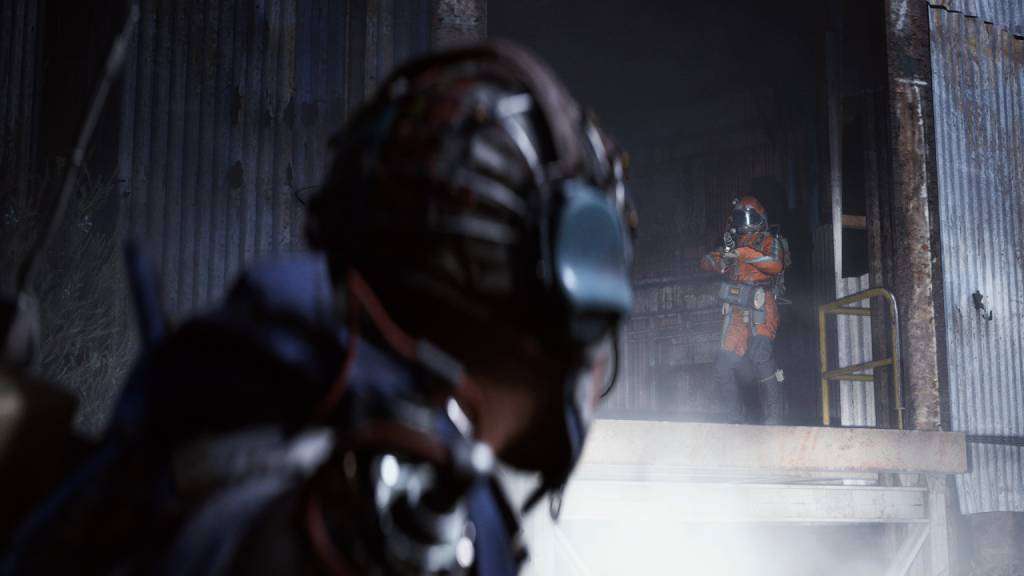

In the realm of competitive shooters, we’ve seen numerous games spawn numerous clones to create numerous genres that are enjoyed by numerous players. From Quakelikes to Call of Duties around to battle royales and back, for about as long as video games have been around, there’s been a method of riddling friends and strangers full of bullet holes.
ARC Raiders
Developer: Embark Studios
Platform: PC, PS5, Xbox Series X|S
Release Date: 10/30/2025
Among these is the humble extraction shooter, a genre that is relatively small but with its share of fervent fans. While a couple of mainstays have a stranglehold on the genre as it is, Embark Studios, fresh off of revitalizing the team-based FPS genre with The Finals, are looking to do the same thing with the extraction genre with their latest offering, ARC Raiders.
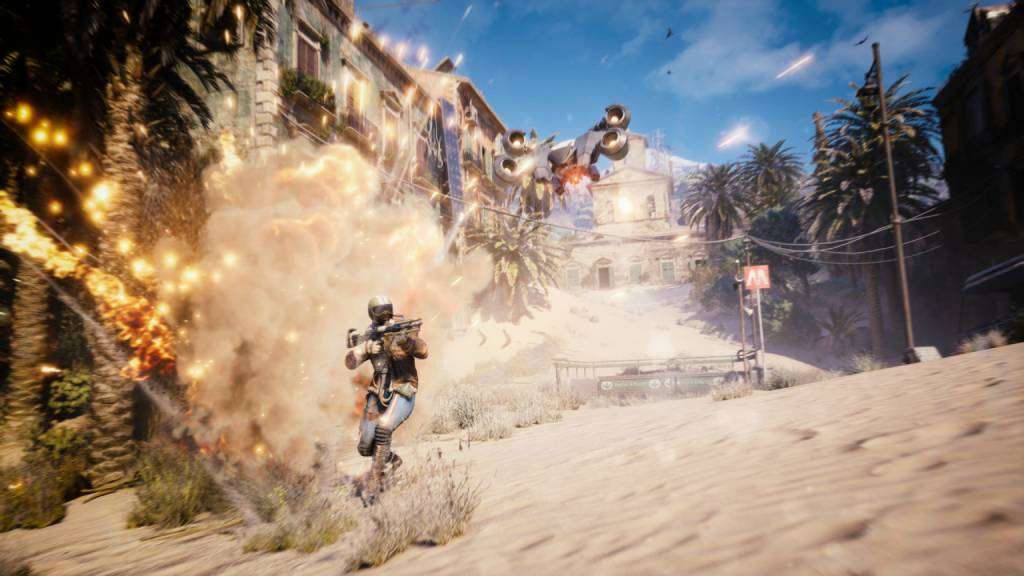
The game, which takes place in a post-apocalyptic Italy where mysterious and dangerous ARC robots have forced humanity underground for safety. Players take the role of ‘raiders,’ hardy individuals who brave the robo wildlands topside to collect anything of value for the society below. These raiders owe no allegiance to each other out in the field, however, making any meeting a tense standoff as everyone decides whether to work together, go their separate ways, or open fire. This setup really evokes the wild west, in spirit if not in aesthetic (but the Deluxe Edition upgrade comes with a free cowboy costume so I think they know). In that very spirit, it’s only fitting to separate thoughts on this game into three main categories: The Good, The Bad, and The Ugly.
The Good
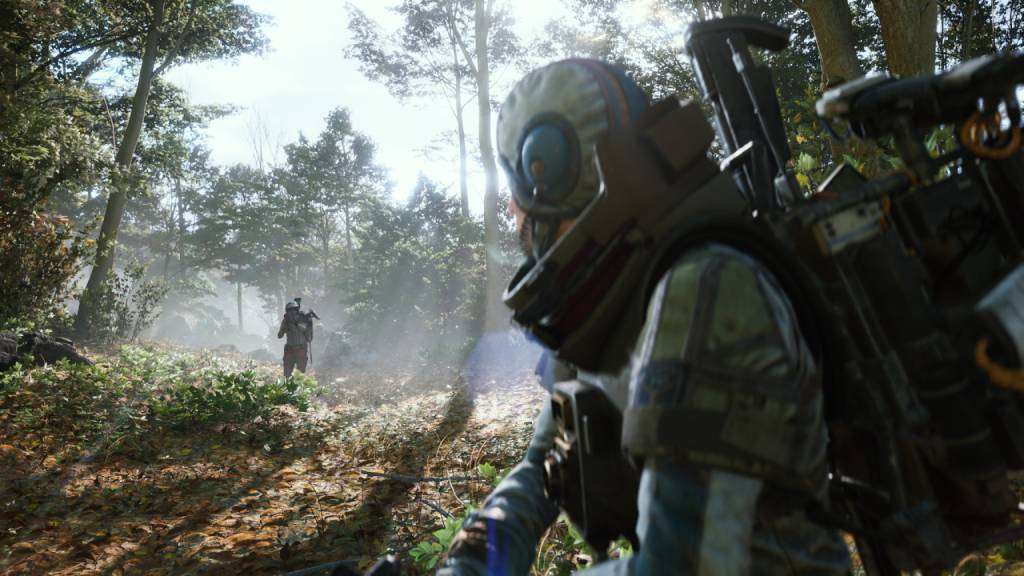
ARC Raiders comes out swinging with a lot of positive aspects. For starters, the game looks great. The battle maps are fairly saturated in color, a far cry from the gritty and/or urban locales of other known extraction shooters. The maps themselves are also large without feeling overwhelming, giving you a lot of ground to cover but allowing you to cross from one side of the map to the other in a manner of minutes all the same. There are lots of little places to hide and also to find secret loot nodes that offer even better salvage.
The game also provides a lot of little things to help you get into the game. You can take in a free loadout that has its drawbacks, but being able to go into the maps and sacrifice nothing to gain everything is a wonderful way to build up your stash early game. It’s far from unusual for extraction shooters to provide something along these lines – Hunt: Showdown, for example, provides players with free characters with sub-par gear if they need it – but the inclusion of the feature shows that Embark is interested in keeping people invested even after losing everything.
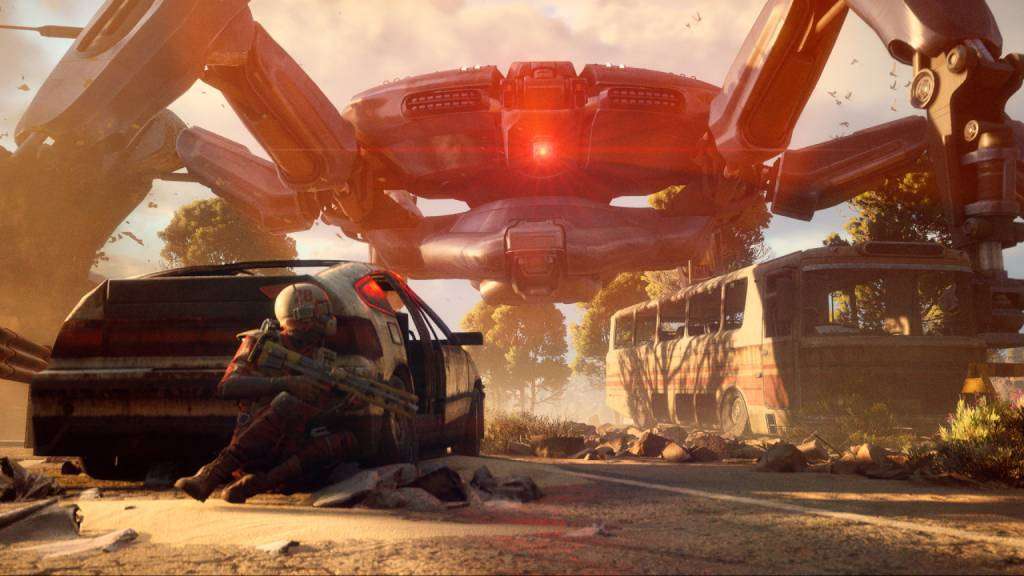
Finally, though, the concept, setting, and game mechanics really just all flow together to create what feels like a unique and entertaining take on the extraction gameplay loop. The ARCs that patrol the maps feel active and engaged in their mission to make the raiders’ lives hell. The inclusion of damage-reducing shields makes shootouts between raiders more protracted, giving space for players to come to an agreement as opposed to just popping off a headshot and moving on. That alone has already made ARC Raiders stand out amongst its counterparts: meeting other players in Raiders feels almost pleasant instead of tense, as everyone, at least this early in the game’s life cycle, are happy to trade and work together just as often than they are to start shooting, if not more.
What results in a fascinating multiplayer experience where two teams of two can be in one corner of the map fighting each other for total control of that area’s loot, while the rest of the players are banding together to take on a massive Harvester ARC to try and parcel out the top-end salvage and gear that its demise will reward them.
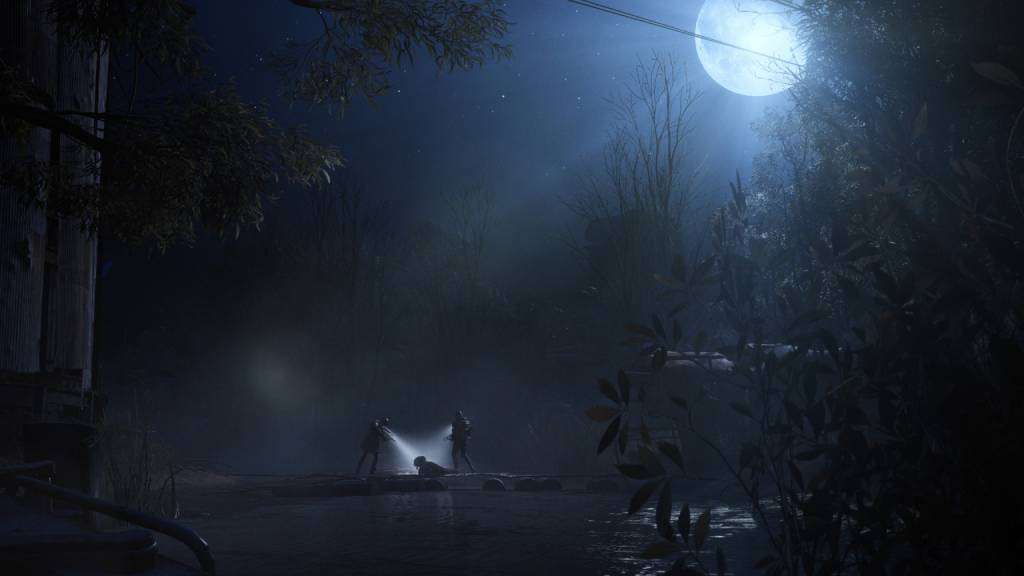
And you’ll never know which group you just wandered up to until it’s too late!
The Bad
For all that ARC Raiders does right, it isn’t without its missteps. Though the good parts largely outweigh the less good, there’s enough here that it’s worth discussing all the same.
The biggest issue that I discovered in my time with the game is it’s menu/user interface experience. Partly, this is a personal quibble: When players aren’t actively Raiding, they stay in the underground city of Speranza, where they can meet with traders, manage their inventory, take quests, and craft/upgrade gear. This city is presented to us entirely as a series of menus, when I think that a fully-realized hub world, even a small one, would have done wonders for immersion during the downtime aspect of the game.
Even so, the menus themselves are less than appealing. The general layout and presentation is fine, if not even good, but the actual management of them can sometimes be a bit of a nightmare. This is even more pronounced in the inventory management process, a key aspect of extraction shooters. Everything feels like it takes one more button press than is necessary to complete, and the paths to each option are sometimes incredibly varied for reasons that are hard to ascertain. For example, to deconstruct gear into constituent parts, you must highlight the gear, press a button to access the items individual menu, select the Recycle option, and then confirm your choice. To split a stack, you have to highlight the stack, press a different button to select it instead of opening its menu, and then press an entirely different button to split the stack by half.
While this is largely mitigated by the ease of mouse and keyboard use on PC, console players will find that they’re largely fighting with the game to get anything done when not topside. The R1/L1 buttons swap between one set of menus and the R2/L2 swap a different set, and its not clearly marked which one does which. The end result is a mixed meal of a game: the meat of it is tender and cooked to perfection, but the veggies that should be good for you are boiled and tough to swallow.
Another aspect that didn’t go unnoticed is the general audio quality of the voice acting. It feels off, and only sometimes in a way that feels like an intentional choice by a voice actor. The fact is, though, that there’s a reason for this…
The Ugly
After toeing around it for two sections, it’s time to embrace the elephant in the review: Embark Studios has been under fire for use of large language models, or what we more often call “artificial intelligence,” in their previous game, The Finals, and that process has continued in the development and creation of ARC Raiders. The CEO of the company has gone on record that both games used text-to-speech programs to cover the entire spread of callouts necessary for every item, enemy, and point of interest in the game throughout its life. Real voice actors were hired and used for the majority of the voice work, to my understanding, and their likenesses were captured by these TTS programs to facilitate additional lines as needed.
The discussion around the implementation and saturation of large language models throughout our entire society is one that is heated at the best of times, and Embark’s decision to continue utilizing these features has also continued to render them a polarizing figure in the gaming community. Some argue that any use of AI voices is a step towards pushing real actors out of work, some argue that a smaller studio requires a level of cost-cutting measures to keep pace with the heavier hitters, and some argue that the end result of the TTS-talk just sounds bad and detracts from the game. In the end, they’re all correct in their own way, but as a reviewer, it’s my job to make sure the readers are aware, and as a reader, it’s your job to decide how you feel about it.
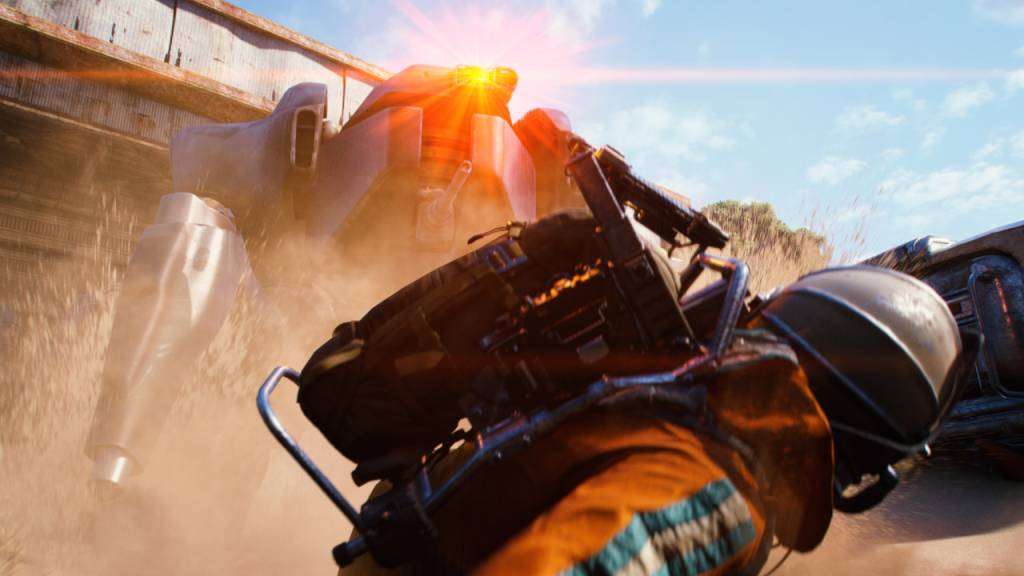
While this aspect of Embark’s LLM-based research has been the lightning rod for its controversy, there was another facet of development that seemed to see an even greater involvement in machine learning – the actual learning of the fictional machines in-game, the ARCs. In a Medium post, an Embark software engineer wrote about the process of implementing their enemy NPC’s ability to interact with the world around it, programming them like ‘AI agents’ that learn and react to the experiences it receives. Supposedly, this learning has been a continuous process from the earliest steps of development, and that the ARCs have been learning and will continue to learn how to properly hunt or evade their targets.
Admittedly, a lot of this feels like marketing buzz meant to generate hype. But one thing is for sure: the game shines brightest in the encounters with the ARC opponents, particularly when players come together to really accentuate those last three letters of “PvPvE.” If Embark figured out a way to create truly emergent action moments in a genre that lives on the very concept, then isn’t this the area that developers should be focusing their LLM-based implementation on?
Final Thoughts
ARC Raiders gets a lot of things right, a few things wrong, and at least a couple things are hard to properly valuate. At the end of the day, though, the game is just good, honest fun. Console players may have some complaints about navigating the management section, but when you’re out there with other Raiders, hiding from each other and the Hornets passing overhead, you’ll never once think about how many clicks it’ll take to recycle all your salvage back home. Plus, with cross-play and cross-progression already in place, you can take your experience wherever is the most comfortable for you.
Some may have their complaints, but if ARC Raiders has been on your radar at all since its announcement, it’s at least worth a shot and a few runs to see for yourself.