
I never played Hellblade 2 when it first released last year, but watching trailers and people talking about it, I sure was jealous. I waited patiently for a PS5 release, and now that it is finally here I couldn’t wait to play it. And it didn’t disappoint at all.
When Xbox started acquiring studios I was fearful of missing out on some good games unless I bought an Xbox. My fears were right when Hellblade II skipped PlayStation, but the pain turned to hope that one day I’d get to experience the sequel to one of my favorite games when it eventually cross the blue bridge. The wait was worth it. Not only is Sensua’s Saga: Hellblade II one of the greatest games ever made, we got to play a slightly more polished version of it on PS5.
Sensua’s Saga: HellBlade 2
Developed by: Xbox Game Studios / Ninja Theory
Platform: PS5 (Upgraded Edition)
Release Date: August 12, 2025
Provided a copy by Xbox.
The game’s opening sequence effectively recaps the previous installment with excellent voice acting, a helpful feature given that the first game launched over seven years ago. This serves as a necessary primer for newcomers and a valuable refresher for returning players. Although the remastered edition of the first game just released on PS5 this week, the narrative seamlessly transitions into the new game’s opening beach scene, immediately establishing Senua’s mindset.
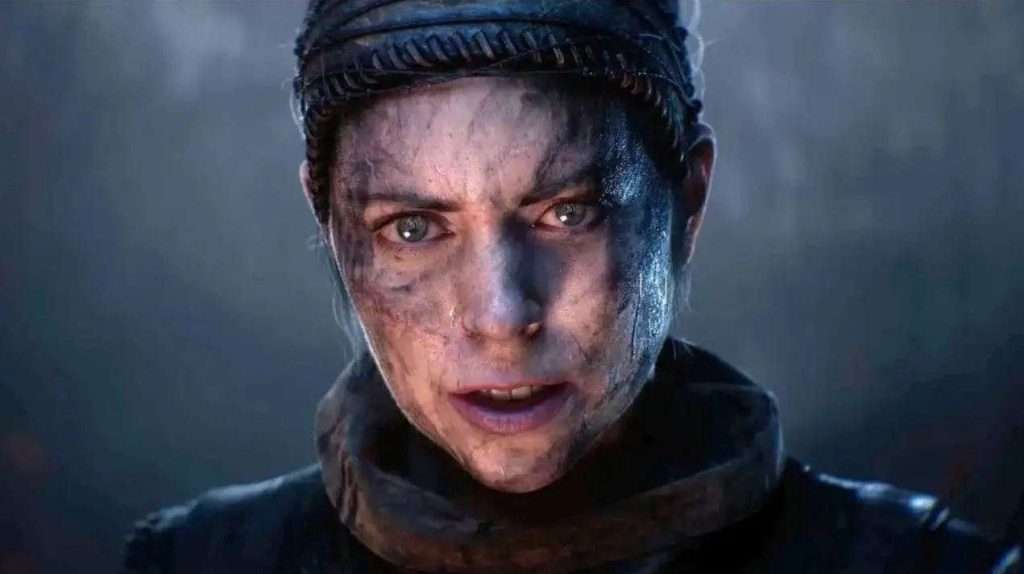
Melina Juergens delivers an incredibly powerful vocal performance as Sensua, perfectly encapsulating her journey from paralyzing anxiety to explosive rage. No longer weak, Sensua is now a force, capable of battling her inner demons, yet still susceptible to setbacks. This internal conflict is a chaotic yet brilliant driving force, solidifying her as an all-time favorite character for me. The seamless transition from cutscene to gameplay, as Sensua arrives on the beach, bruised but defiant, is utterly captivating.
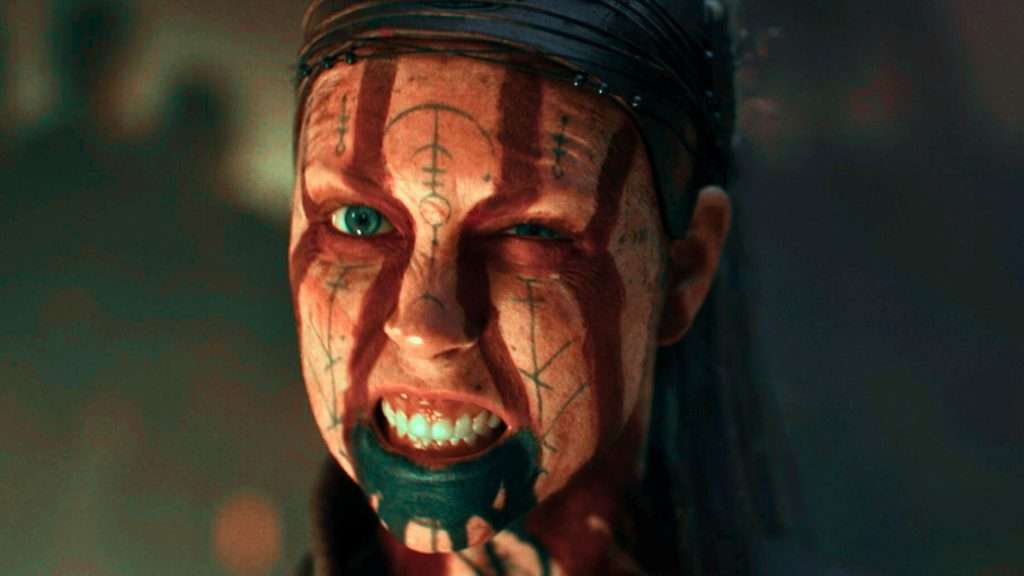
The captivating audio and voice work isn’t the only element that makes the game thrilling. The breathtaking environments, subtle color shifts, and the world itself are consistently stunning. Every aspect feels impactful and masterfully crafted, and when combined with the remarkable voice acting, it culminates in one of the most phenomenal cinematic experiences I’ve ever encountered.
The unfolding story of the game is experienced directly by the player. The world’s visuals offer a stark contrast between vibrant colors and dark, grim scenes, shifting and revealing more as the narrative progresses. The seamless transitions from foggy expanses to blood-soaked, bone-filled graveyards, and then back to dramatic Nordic landscapes, deepen the emotional impact of the story. Every element, from camera work to transitions, serves a deliberate purpose, creating a six-hour narrative that maintains a consistent pace. Beyond the protagonist’s inner voices, the game excels in its audio design, transitioning from calm to intense moments, featuring screams for help, and powerful, emotionally charged sound effects in incredibly tense moments.
Playing Hellblade 2 with headphones is highly recommended, especially when utilizing the PS5’s 3D audio feature. While playing at high volume through Dolby Atmos was also impressive, headphones truly unlock the game’s immersive sound design. The game masterfully uses voices to create a surrounding effect, often making you feel as though someone is right beside you. This effect is particularly crucial during combat; normal speakers can sometimes muffle critical audio cues, causing you to miss parry and combat hints.
Hellblade’s slower gameplay, characterized by extensive walking and puzzle-solving, emphasizes landscape and metaphorical elements. Its storytelling is constantly conveyed through visuals and voice acting, extending even to the combat. While this approach may not have resonated with the Xbox audience, it aligns perfectly with PlayStation’s. Had this been a PlayStation Studio title, it likely would have been a strong contender for Game of the Year, given its exceptional narrative and visual storytelling.
Clocking in at roughly six hours, the game is a bit on the shorter side; however, this length allows for an immaculate experience throughout. Every detail shines with brilliance. The constant inner dialogue seamlessly adapts to your actions, with even minor missteps amplified by deeply personal internal reflections. The visual storytelling is consistently mind-bending, and the writing never fails to captivate, which I have to highlight even more. So much writing went into this game because every action you make has some type of dialogue tied to it. Voices questioning you, enemies remarking on your battles, all pile on to a typical needed script at the base. And at no point did any of the dialogue feel un-natural or poorly written.
While combat isn’t deeply complex, the game excels at allowing players to learn independently, guided by subtle vocal cues. It’s incredibly immersive when missing a dodge or block elicits a voice questioning your combat prowess, or during exploration, a voice comments on heading the wrong way, “is she lost?” The absence of a direct compass or hand-holding navigation makes discovery more rewarding and fosters a sense of personal growth alongside Senua.
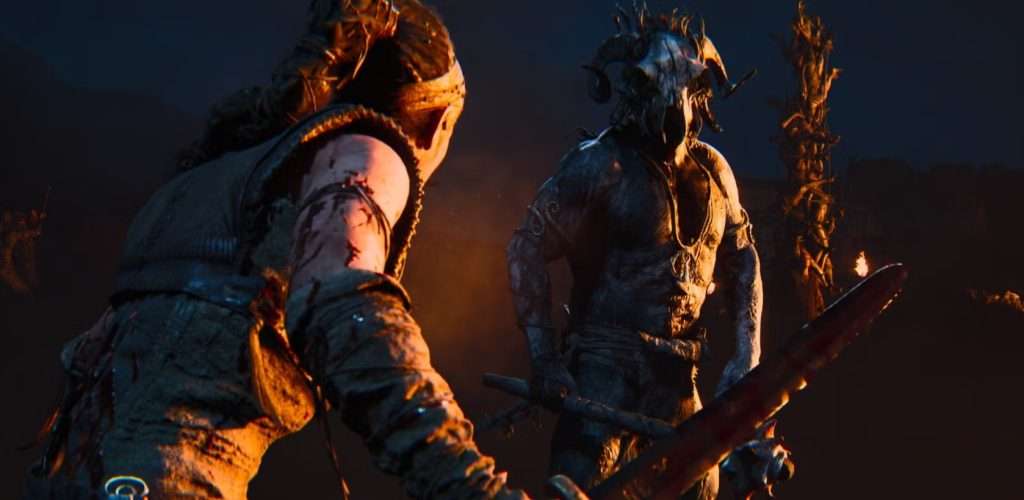
One-on-one encounters define the combat, which I personally found to be a huge advantage. Rather than easy carnage or being attacked by out of view enemies, the fights felt deeply personal. Combat is slower, more strategic, and incredibly impactful. Senua’s raw power and rage are intense as she screams, dismembers an enemy, and then while winded, faces another. The nervous buckling after a missed parry or block further enhanced the sense of impact, making every battle feel significant.
Personally I’m glad that the game kept Sensua “human,” in a sense of simplistic two button combat without skill trees and an un-needed attempt to add depth.
Beyond its main narrative, the game features numerous engaging puzzles and optional side quests. Players can discover well-camouflaged hidden faces within the environment’s boulders, as well as alternate paths leading to concealed secrets. The progression puzzles are particularly enjoyable to solve, heightened by the constant teasing of in-game voices. This element of the game felt significantly more refined than in the original, offering a smoother and less frustrating experience.
Although other characters join you on your journey, the game’s short length means there isn’t enough time to fully develop these relationships. While these characters offer new insights into Senua and provide a general understanding of who they are, the limited time prevents a deeper connection with them or a complete exploration of their character arcs. But this is the only real complaint I have for the game overall.
From beginning to end, Senua’s Saga: Hellblade II captivated me. I even told my spouse it was the best game I’d played on PS5, and that feeling never really changed. While I do wish the game was a bit longer, I also appreciate its fully polished state. It successfully differentiates itself from the first game in the series, which I consider a positive. The puzzles were less finicky, combat felt more personal, and the world itself was simply incredible. From the opening cutscene to the final moments, Hellblade II truly did not disappoint.
—
In terms of the PS5 upgrade. Again, I didn’t play it on Xbox so I don’t have a direct comparison. However the PS5 version offers PSSR and TSR toggles, which heighten the visual clarity greatly. The game comes with a performance mode, with slight drops in clarity at times that are upscaled to 4k. I would say it is on par with what I’ve seen on PC, vs a more washed look on Xbox.