The new horror film that puts audiences in the paws of a dog enduring a haunting alongside their owner isn’t perfect, but gets enough right to be worthwhile.
Good Boy
Directed By: Ben Leonberg
Written By: Alex Cannon and Ben Leonberg
Starring: Indy, Shane Jensen, Arielle Friedman
Release Date: October 3, 2025 (Now on Digital As Well)
You may have heard about Good Boy by now, as it’s a horror film that is presented pretty much entirely from the perspective of a dog named Indy (his real name too). It made some waves on the festival circuit and it’s unique approach to telling a haunted house story definitely piqued some interest.
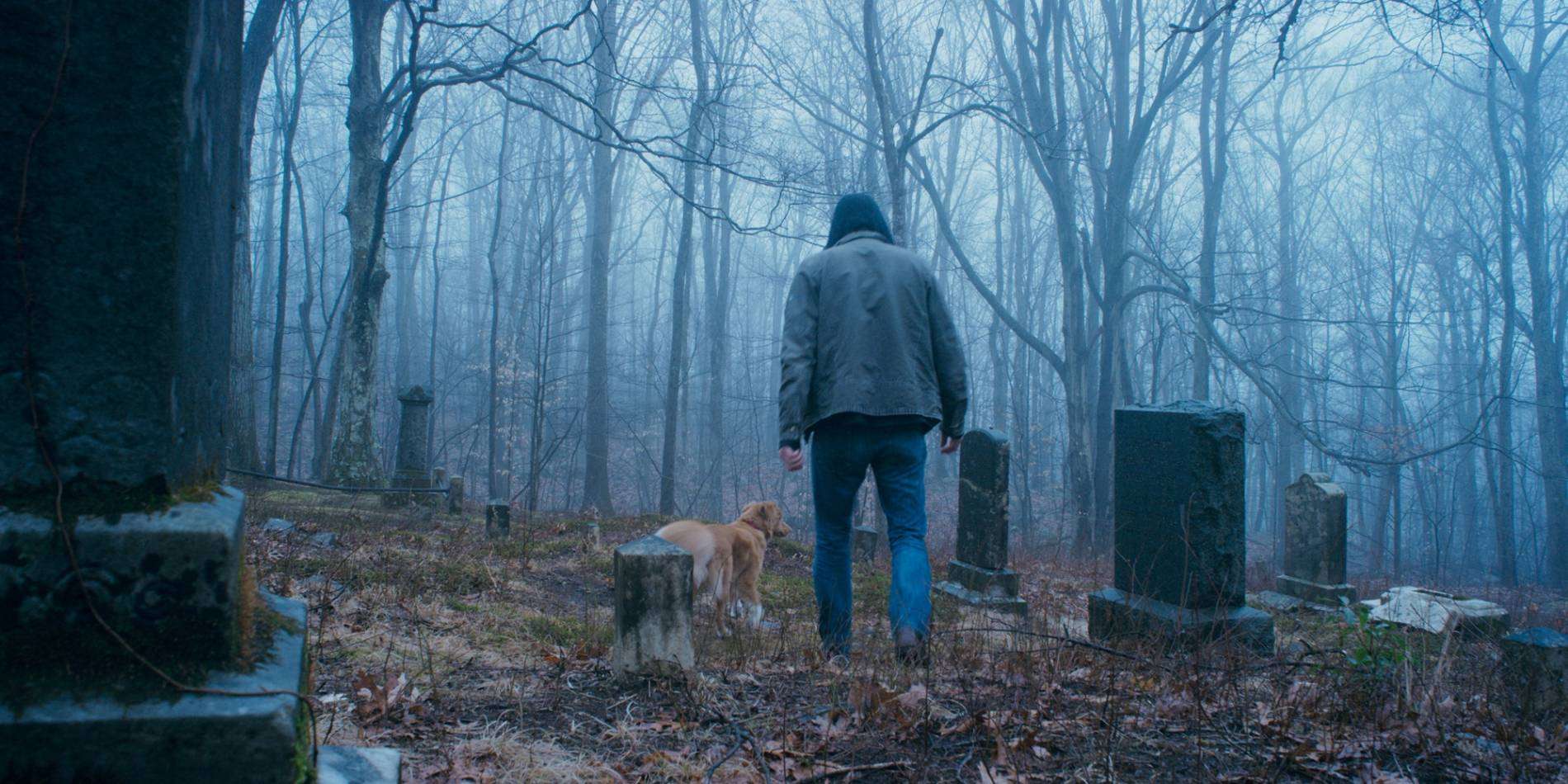
It’s a relatively straightforward story, as the film focusing on the dog Indy, who uncovers a paranormal nightmare when his master, Todd (Shane Jensen) moves them out of the city into a rural family home in the woods.
The biggest hook in Good Boy is, of course, the fact it takes place entirely from the dog’s perspective—sometimes literally. It’s a neat approach and handled well enough to not feel campy or novel. It’s a major source of the films tensions and scares. Interesting enough, despite seemingly set up for it perfectly, the film doesn’t rely on jump scares. There’s really only a couple moments that I think qualify.
Don’t get me wrong though, the movie definitely brings the chills. There’s a constant layer of tension in knowing something is off and there’s no way for Indy to convey that to his master. Good horror knows how to make audiences feel helpless. The idea that, if you were to swap places with the main protagonist you’d fare no better keeps the heart racing. And what’s more vulnerable than a dog?
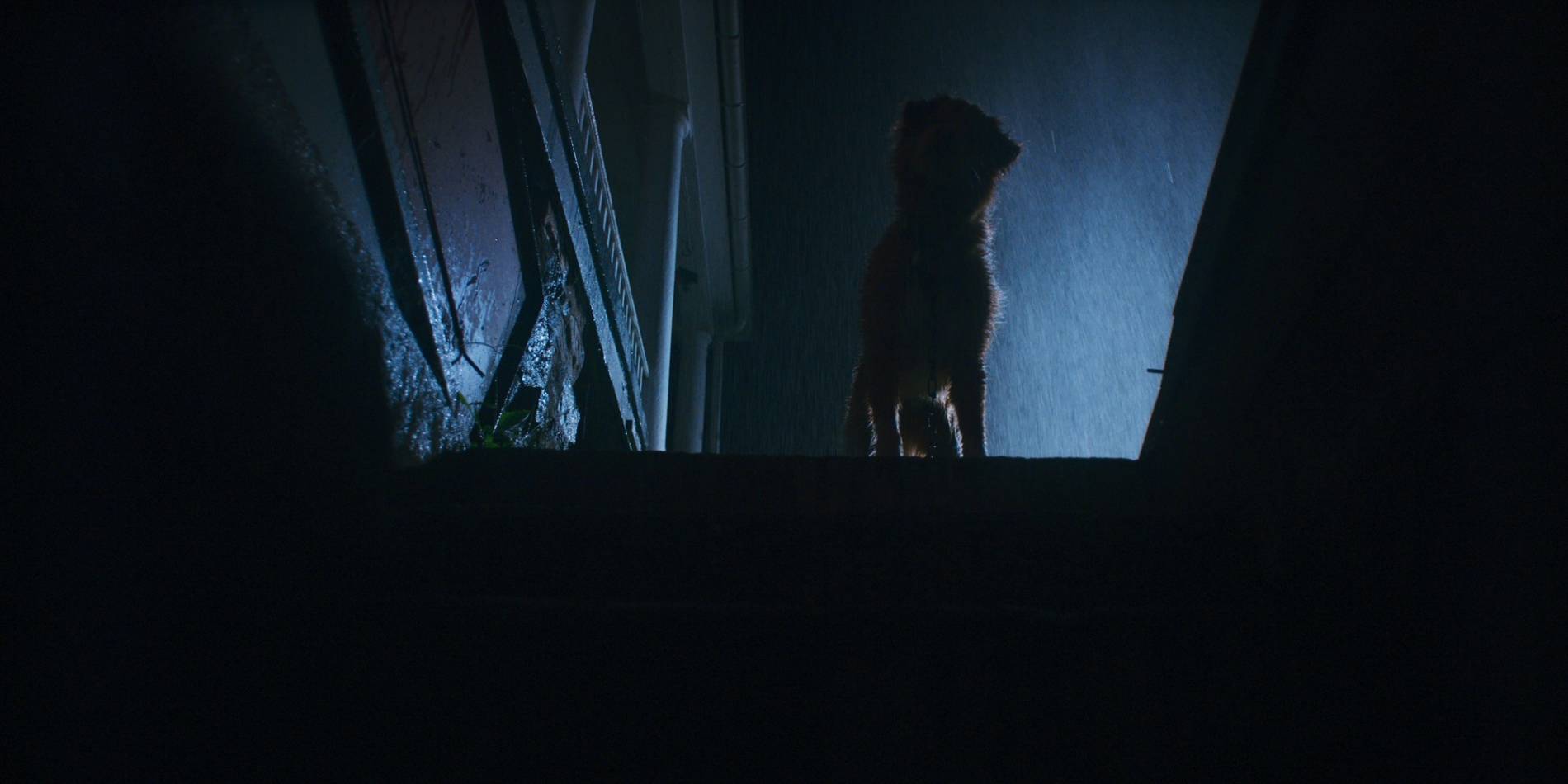
Even simple things, like doors slamming shut, instantly become more terrifying as Indy has no practical way to reopen them. There are a bunch of little things like that throughout the film, stuff that would be “scary” but cliche in other circumstances, but become infinitely worse due to the perspective we’re given. It just takes everything up a notch and never feels like it lets up.
Despite its narrower perspective, there’s still a very human story at the core of the film. Through overheard conversations, glimpses of things happening in the background, and even old family VHS tapes playing in the background a picture of Todd’s life/family history comes into focus. Namely Todd is very sick. With what isn’t exactly clear, but it’s obviously something terminal.
Ostensibly it’s the reason he’s given up on his apartment in the city and living in the abandoned home of his late grandfather out in the country. Wanting to get away from it all for reasons we can intimate but aren’t explicitly stated, the home is a bit rundown and running off a faulty, intermittent power. Even at a glance, you can tell something is definitely wrong with the place. Indy’s constant whining and need to stick close to Todd at all times is a clear indication he senses something amiss.
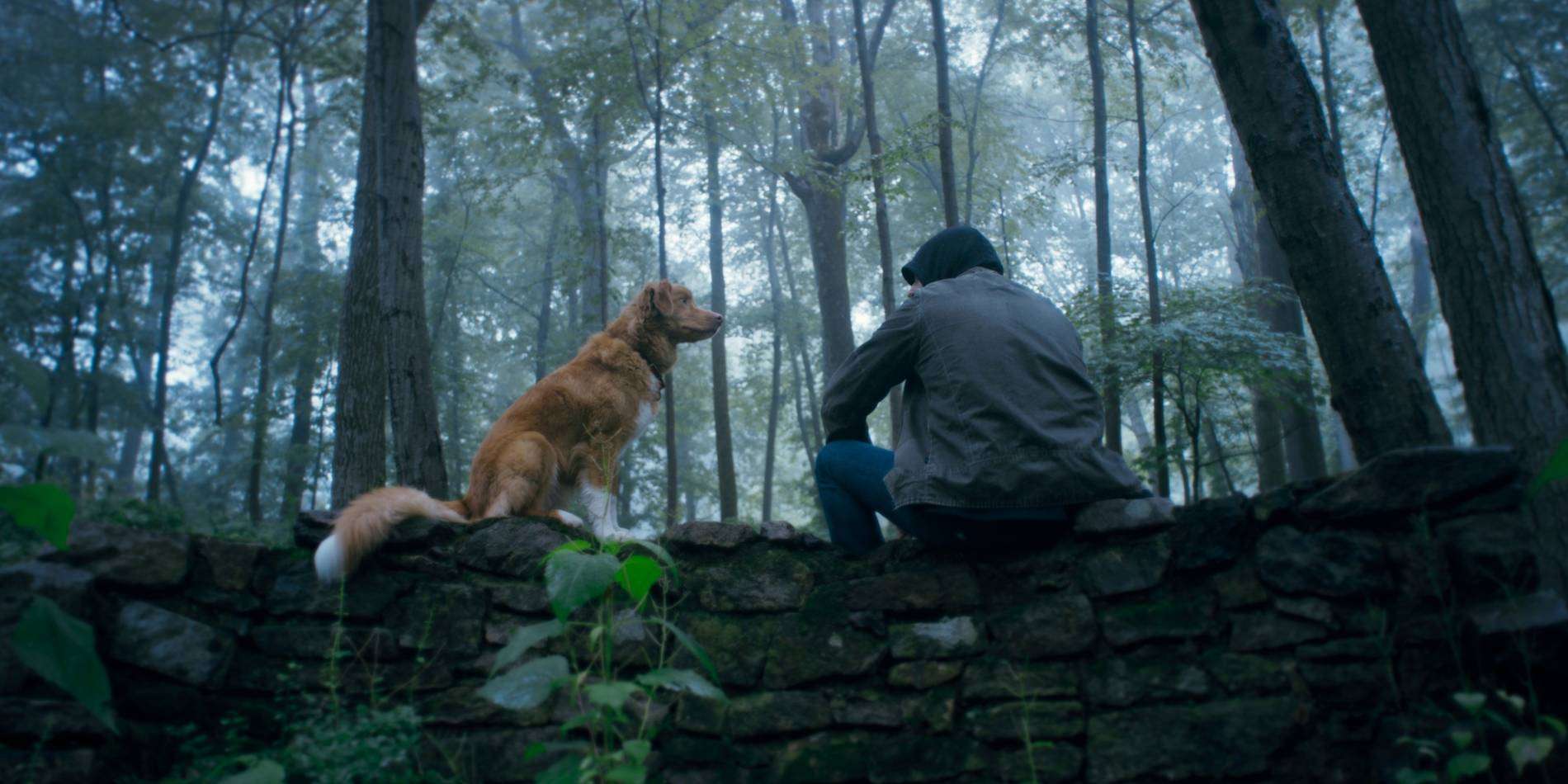
We come to learn that there is something sinister about the house. Something that may have been plaguing this family for generations and sending them to an early grave. As Indy comes face to face with this strange entity, the little dog begins to unravel some of the mysteries about the house. Meanwhile, Todd’s condition continues to worsen, though it’s not clear if it’s due to his illness progressing, or the paranormal forces at work.
What makes so much of the story here interesting, is you’re never quite sure about the reality we’re seeing unfold. Is Todd really being haunted by a paranormal entity, or is this just how Indy—with a more limited capacity for understanding—interprets his master’s dying and the unexpected move to a strange house? Ultimately the reality doesn’t matter and the question is moot, but that’s okay! Part of the fun is never quite knowing and leaving it up to your own interpretation.
This type of structure benefits the story as it allows a ton of leeway when it comes to suspending your disbelief. When things get a bit experimental in the scenes (never quite sure how Indy ends up in some places) it doesn’t feel out of place or confusing. It’s easier to simply go with the information you’re given thanks to how it’s all presented.
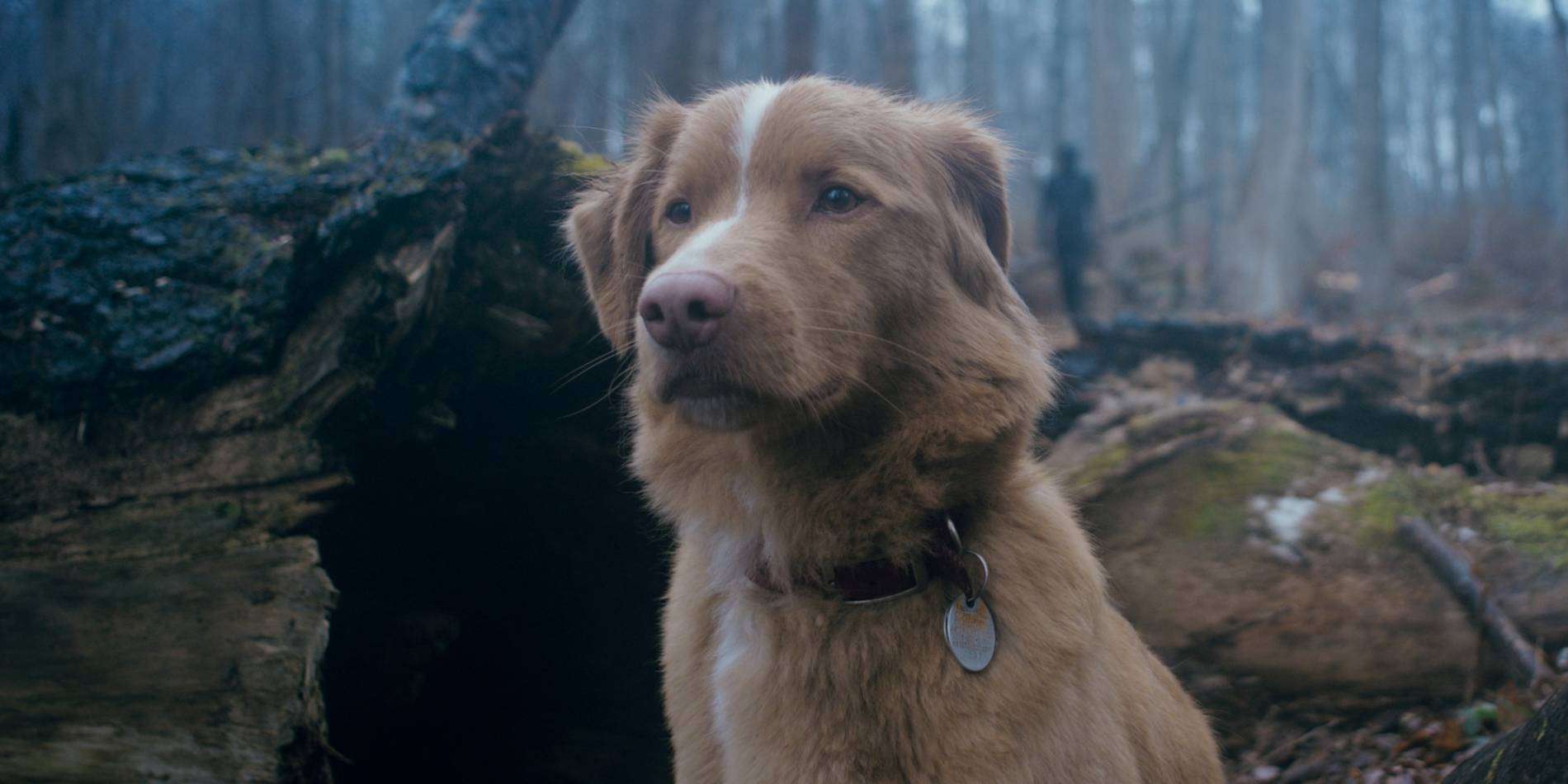
The converse side of this, is there are times where it felt like I needed a little more information. Or little bit more conversation from the human characters. The dog POV limits what can be conveyed to audiences. For the most part even the human faces remain in shadow or just out of frame. While I certainly applaud how the film manages to maintain it’s unique perspective without slipping, it’s almost impossible to care about anyone other than Indy himself.
Don’t get me wrong, I definitely feel for the dog and sympathize with his fear and pain…but when something happens to others, I didn’t feel much one way or the other. Part of that is also because there isn’t a whole lot of time to develop those aspects/characters more. At just a little over an hour long, Good Boy doesn’t waste time. There are good things about this (nothing feels wasted, and you don’t have a chance to get bored), but it’s another limitation of the POV.