

Square Enix has been on a roll as of late with their remakes of classic Dragon Quest games and Dragon Quest VII Reimagined is their biggest success to date. We got to check the game out early to tell you all about it.
Dragon Quest VII has long been hailed as one of the greatest Dragon Quest games ever created. Originally released in 2000 for the original PlayStation, Dragon Quest VII was subsequently re-released in 2013 for the Nintendo 3DS. It was also the first Dragon Quest game to be released outside Japan since Dragon Quest IV in 1992.
Dragon Quest VII Reimagined
Published by: Square Enix
Platform: Nintendo Switch, Nintendo Switch 2, PlayStation 5, Xbox Series X/S, Steam
Release Date: February 5, 2026
Dragon Quest VII Reimagined takes the core of the game and brings everything forward to the current console generation, preserving everything that made the game great to begin with while making it run more smoothly than ever.
For this review, I played the PS5 version of Dragon Quest VII Reimagined and used both Easy and Normal Difficulty.

The Story
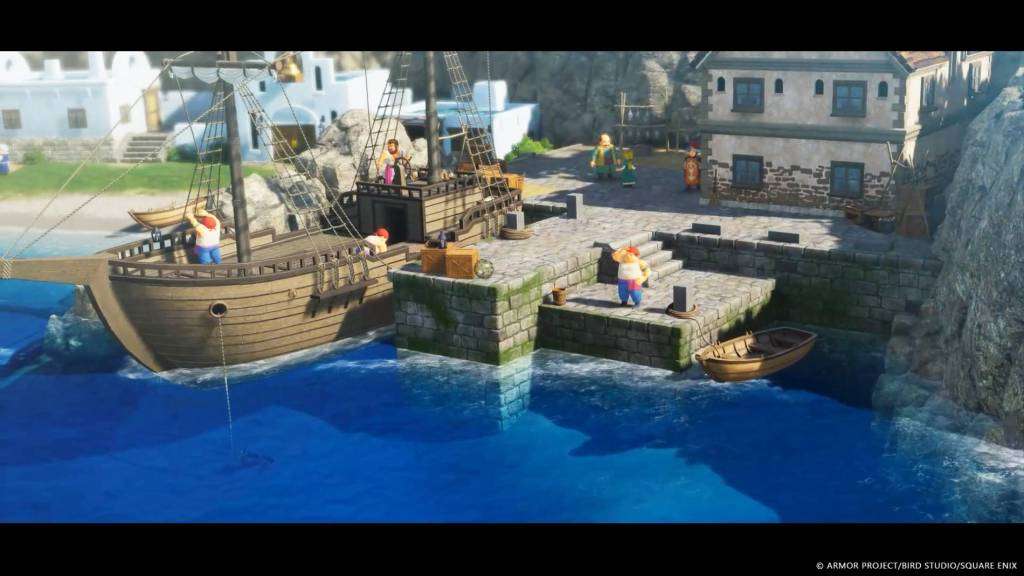
Dragon Quest VII starts in a world where everything consists of a single island, the island of Estard. Nothing exists beyond this island and nothing has ever existed beyond this island. Until one day, the hero discovers mysterious stone tablets that open portals to other islands beyond Estard. What’s more, once the adventure on the strange island is completed, the heroes return home, only to find the island they visited is now sharing the same ocean with them.
The hero forms a party with Kiefer and Maribel, his best friends on the island, and together they set off to uncover the mystery of why all of these islands disappeared from the world and who or what may have been behind it all.
The Gameplay
The core of the gameplay in Dragon Quest VII has not changed from the original versions of the game. The hero is still on a journey to assemble fragments of lost islands and must journey across each rediscovered island with his friends to solve various mysteries and restore the world to the way it used to be.
My first exposure to Dragon Quest VII came with the 3DS version of the game and I can state unequivocally that the PS5 reimagining of the game blows that version out of the water.
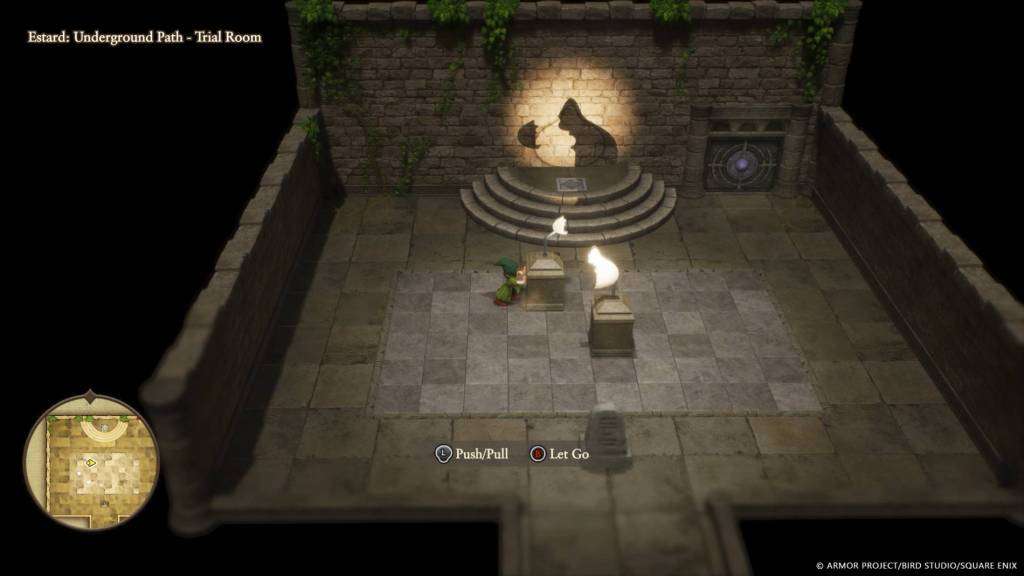
The way the game has been brought to the current generation of consoles, the story feels familiar and new all at the same time. It’s familiar in that the same story beats are present, but some of the details have changed. For instance, early in the game there’s a puzzle that must be solved before the player can move forward. I struggled with this puzzle in the 3DS version and was dreading going through it again.
You can imagine my surprise when I found a puzzle in the expected place, but one that bore no resemblance to the one I had struggled against a number of years ago. The puzzle was similar, but it seemed streamlined, something that kept the spirit of the older version but was made easier to play.
Another detail I quickly grew to appreciate is how the difficulty settings are put together. While the usual difficulty options (Easy, Normal, Hard) are available, there is also the option to “customize” the difficulty settings by changing one setting at a time until everything is just to the player’s liking. For instance, one could alter the amount of damage one inflicts while also making it so that monsters on the map won’t automatically run up and attack you. This is a great option as it allows players to create their own optimal experience with the game.
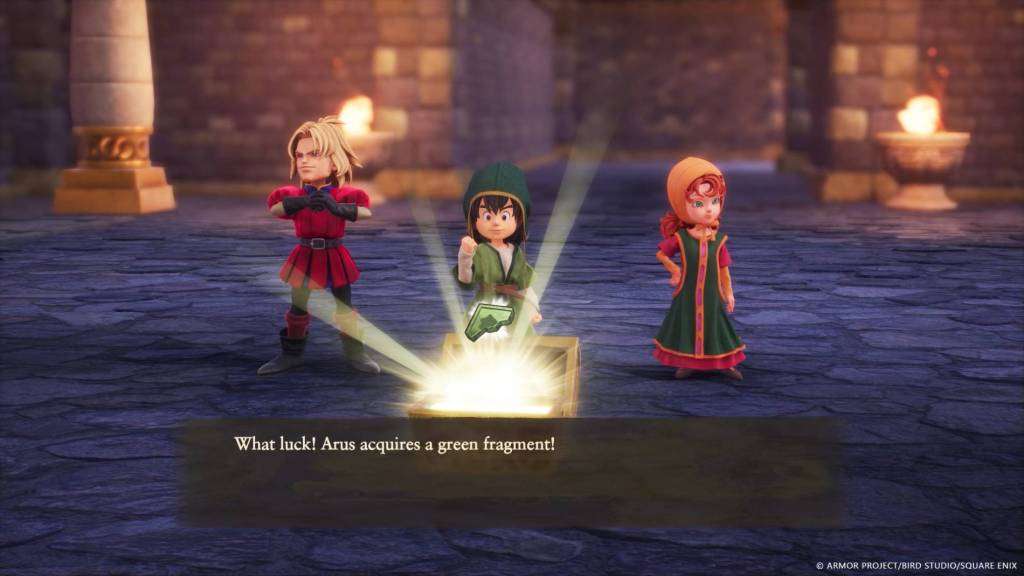
There is also a handy feature that lets the players track the all-important map tablet fragments that are used to progress the game’s story. There are a lot of map fragments that need to be located in order to complete the game and a number of them are very easy to miss while running from one location to the next. Thankfully, if you miss one after unlocking an area, the tablet list will update to show where these fragments can be found.
It should also be mentioned that the boss fights, depending on the difficulty settings, can be extremely difficult. As with most Dragon Quest games, it is important to make sure the heroes stay as leveled up as possible by fighting monsters in each area. Running around the monsters and avoiding valuable experience points is a good way to quickly find yourself under-leveled in a dangerous area. On that note, be sure to upgrade armor and weapons whenever possible, much frustration will be avoided later on if you do.
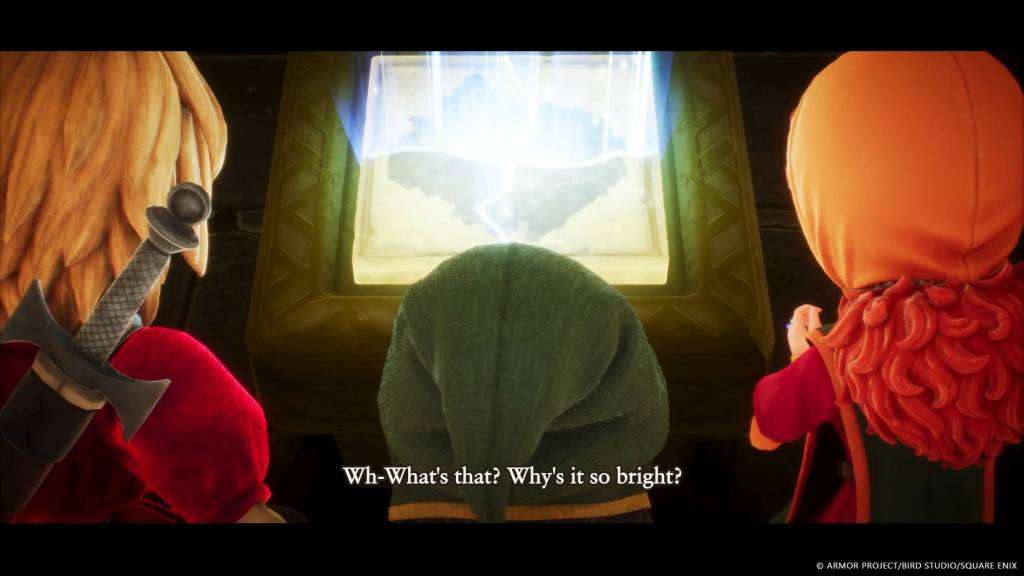
Speaking of upgrades, there is also an option unlocked later in the game that allows each character to change their “profession” which alters various stats and grants different abilities. I highly recommend experimenting with this once the option is unlocked, it’s fun to see what options each profession grants to the characters.
A Great Adventure
Dragon Quest VII Reimagined continues the trend of great Dragon Quest remakes. I truly hope the rest of the older Dragon Quest games receives this treatment. Being able to play through the adventure of Dragon Quest VII again has been a dream come true, and gamers of all ages will find much to love in this story. For those who have never played Dragon Quest before, this is a great place to start.