
Nia DaCosta’s 28 Years Later follow-up takes a different approach to the zombie franchise, but does an impressive, and thrilling, job of moving things forward.
28 Years Later: The Bone Temple
Directed By: Nia DaCosta
Written By: Alex Garland
Starring: Ralph Fiennes, Jack O’Connell, Alfie Williams, Erin Kellyman, Chi Lewis-Parry
Release Date: January 16, 2026
Less than a year since 28 Years Later returned us to Danny Boyle’s apocalypse, The Bone Temple brings us back to continue the story. For the most part I’ll be keeping vague with story details, but unlike my typical reviews, I will be diving into some spoilers. So if you’re looking to go into the film completely fresh, come back and read this after you’ve seen it!
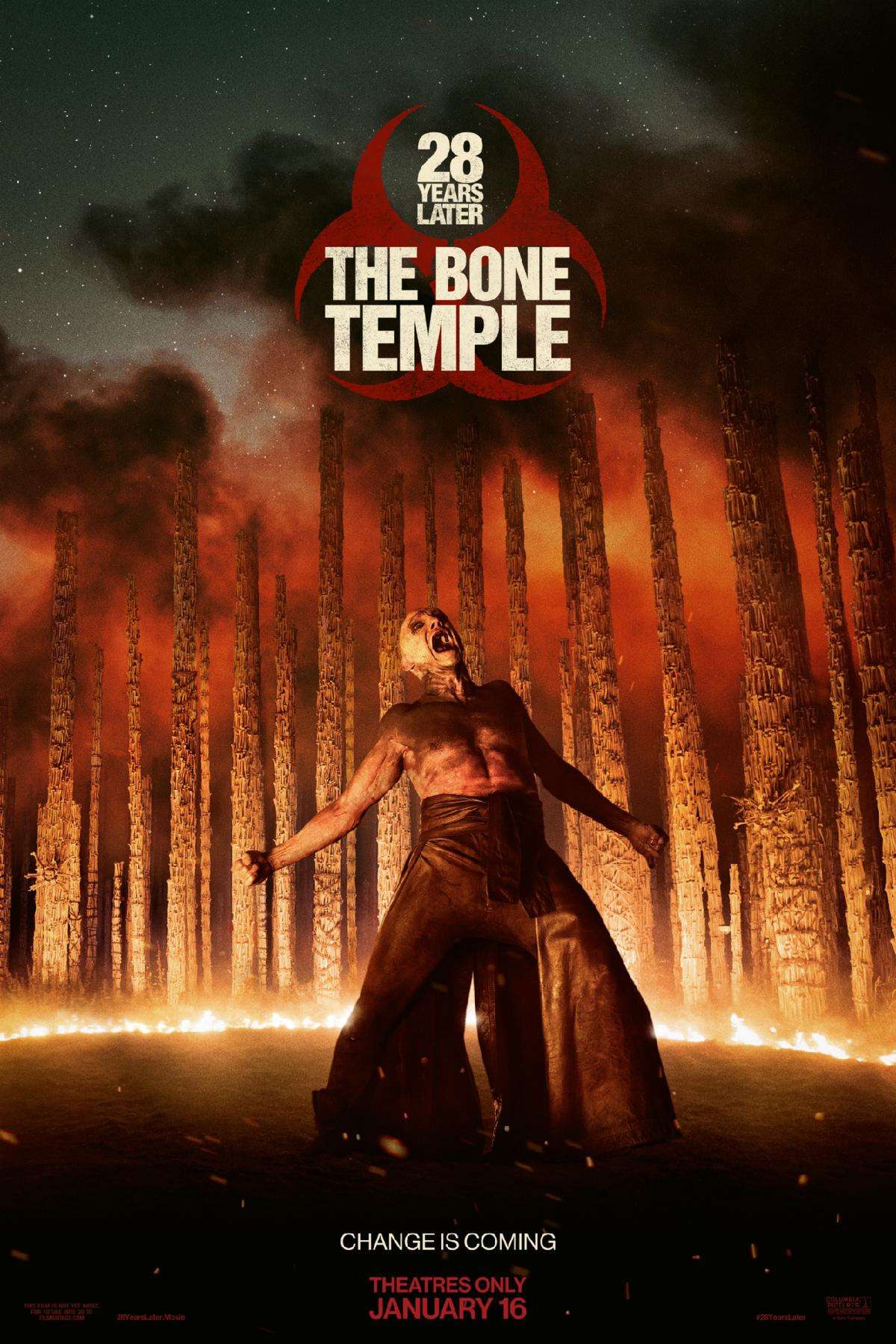
The Bone Temple is an interesting sequel. It serves as a continuation, picking up the story almost immediately from the divisive ending of the last film (though I loved it personally). But in many ways, it’s doing something very different with the same pieces. This means we don’t see what comes of the miraculous, infection-free baby, nor even a return of Spike’s father.
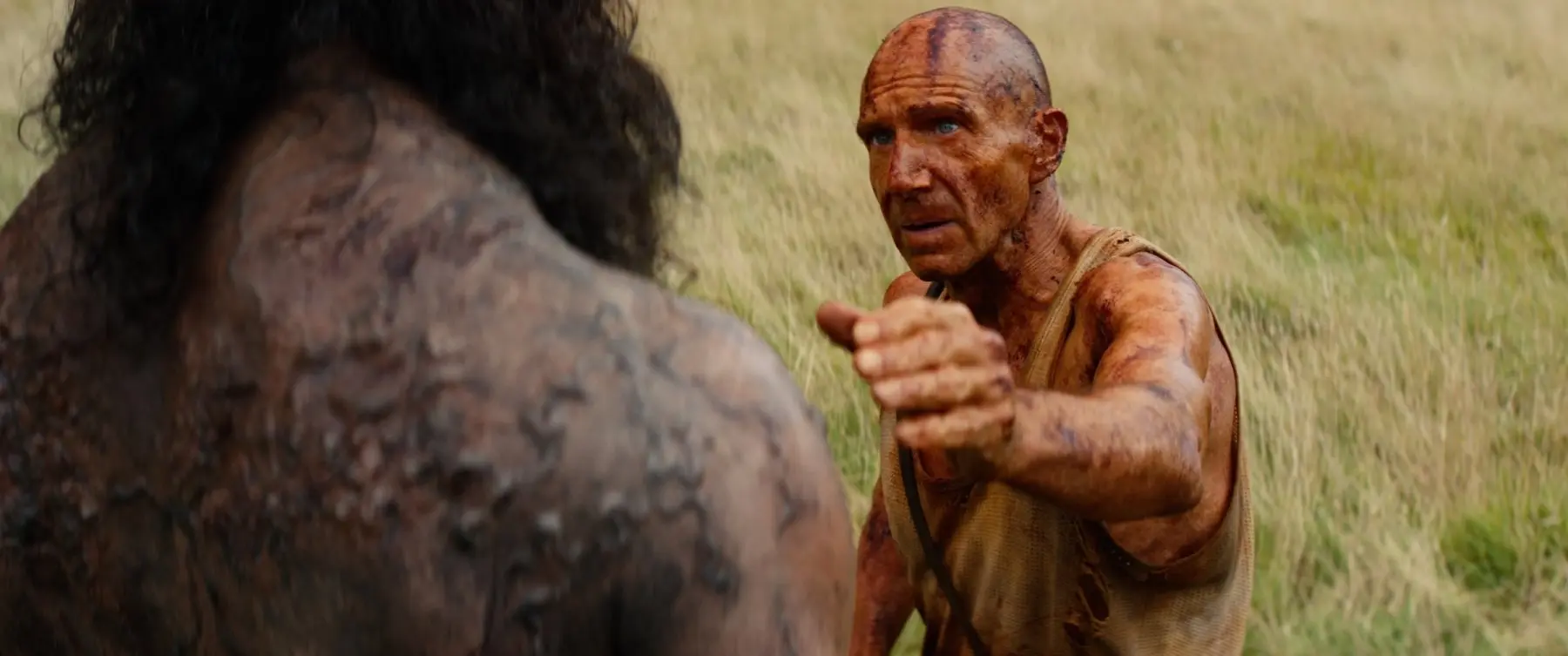
The previous film put the focus on Spike’s (Alfie Williams) journey, and while he’s still a big part of The Bone Temple’s story, he’s far from the central focus this time. Instead, Dr. Ian Kelson (Ralph Fiennes) takes the spotlight this time around. Unlike Spike, whose life/adventure is at its start, Kelson is seemingly reaching his conclusion.
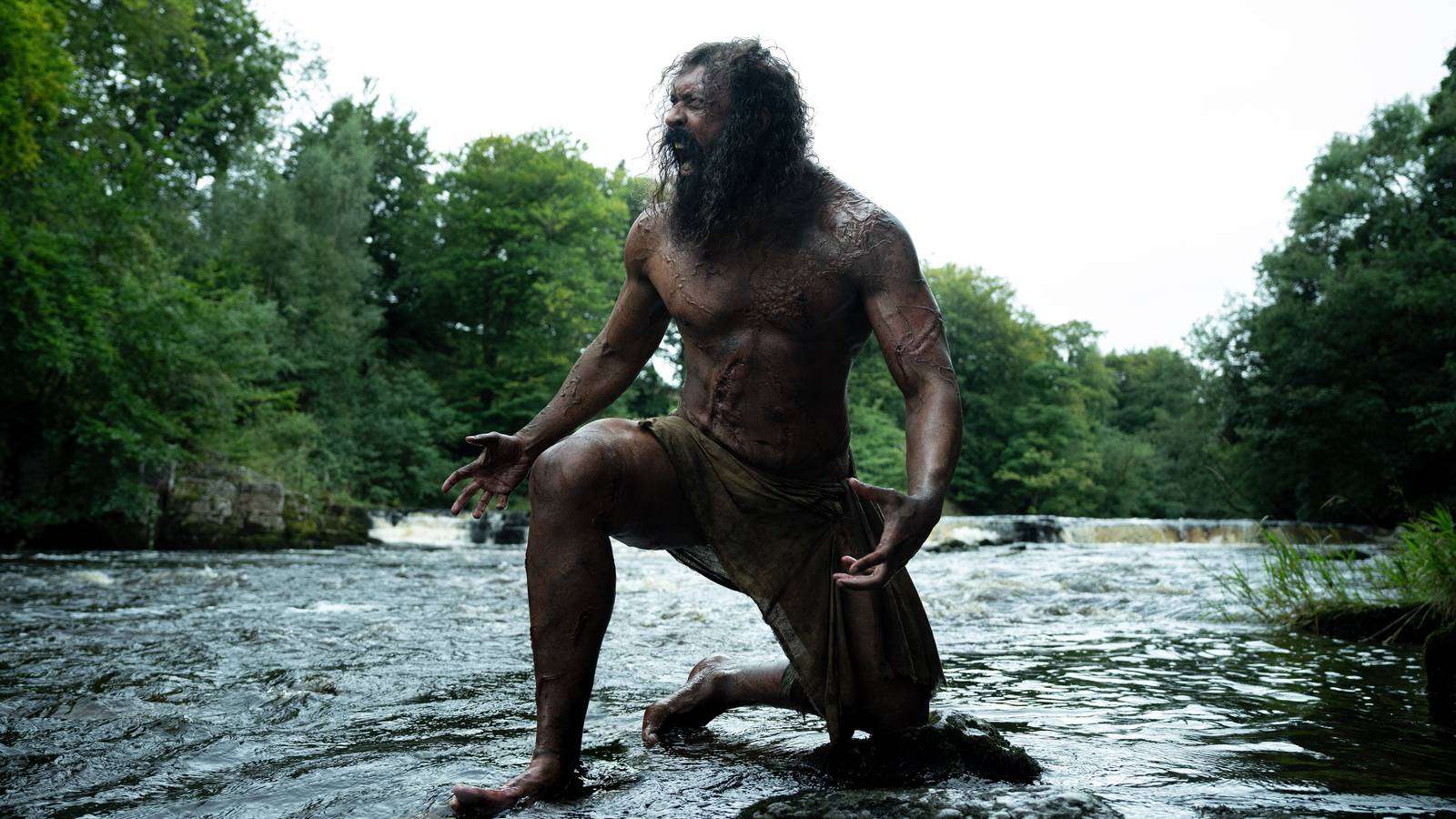
Having lived both before and after the outbreak, he’s seen much in his life and feels as though his purpose has come to an end. That changes when Samson (Chi Lewis-Parry) the Alpha Infected from the previous film, begins behaving differently.
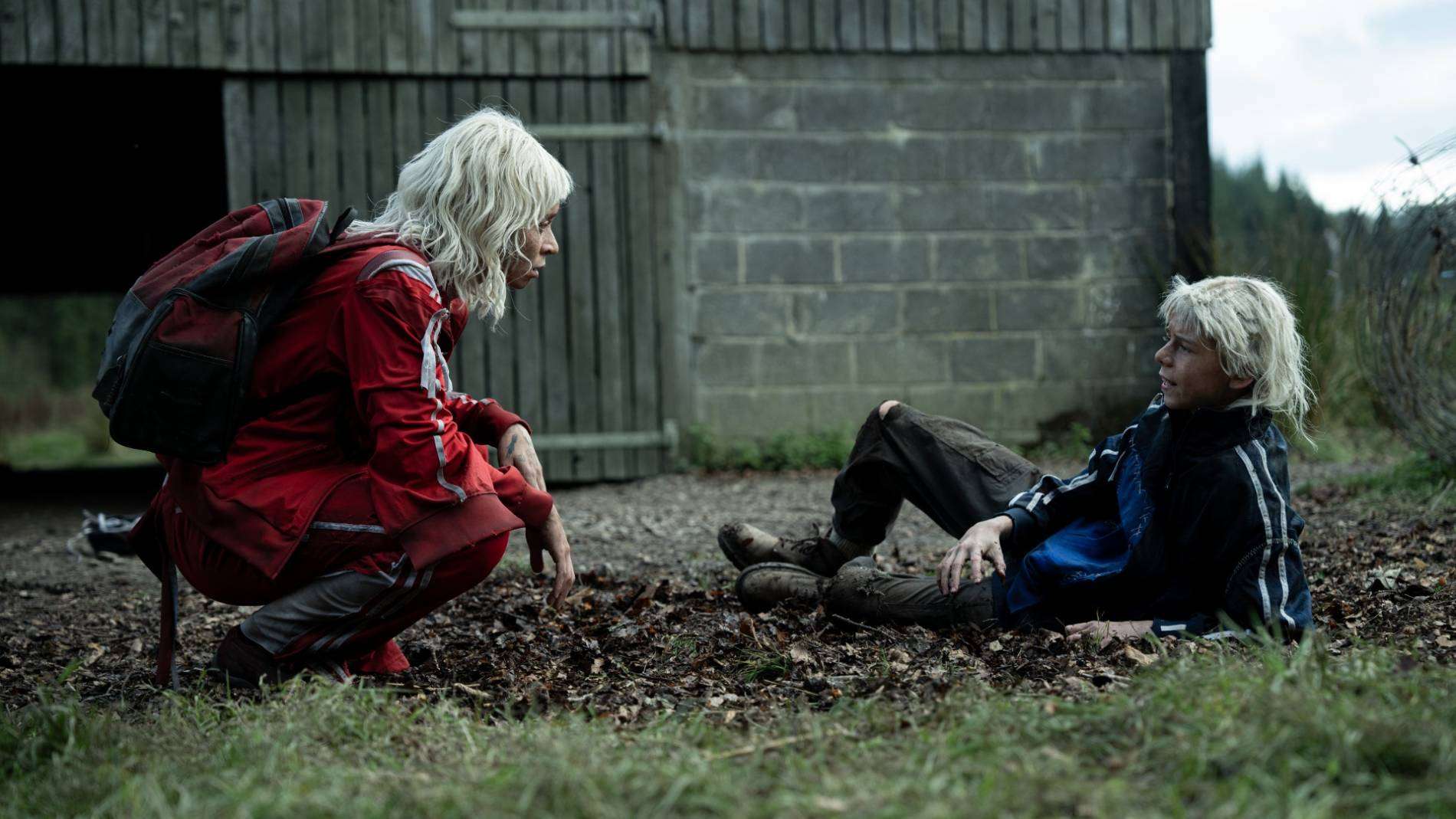
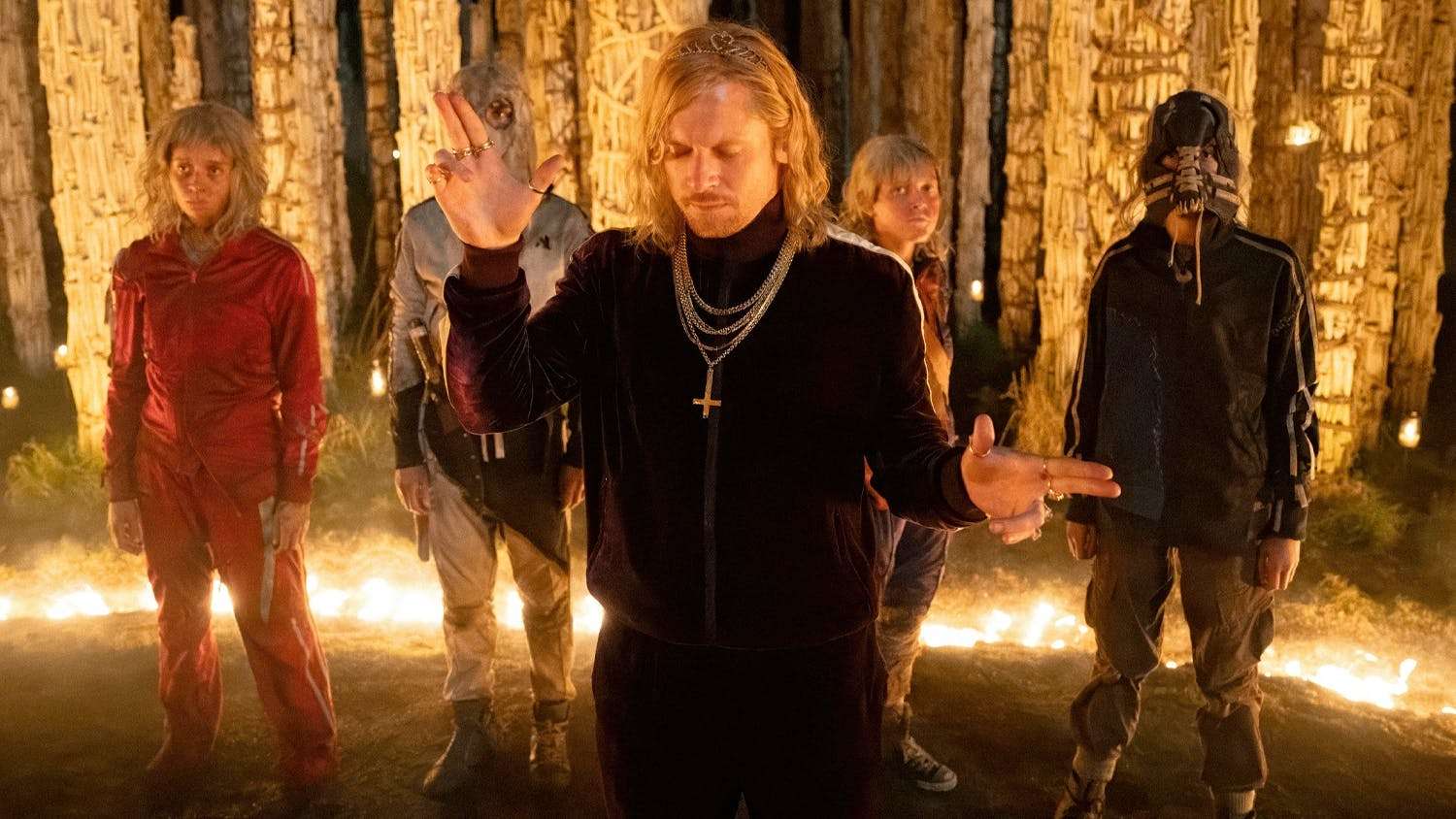
Spike is forced into the service of the demented Lord Jimmy (Jack O’Connell), a man who believes he’s the “favored son” of Satan himself and looks to spread the dark lord’s message (by killing/torturing people) with the help of his “Fingers.” Believing in Lord Jimmy’s mission, they’re about as depraved as he is and all too eager to prove their worth.
While Spike struggles to survive among them, with a little help/friendship from Jimmy Ink (Erin Kellyman), Kelson begins to unravel a new mystery behind the infected. As the two stories ultimately merge, the world of infected as we know it is changed forever.
The Bone Temple is a very different take on the 28 franchise. There’s still some neat zombie action (though much less of it), scary moments, and some stomach-churning moments even the most hardened horror fans might find difficult. If you’ve seen Nia DaCosta’s Candyman, you know she doesn’t shy away from gnarly stuff. On top of that, she brings her usual skill to the screen with some gorgeous framing and brilliant wide/long shots that allow viewers to exist in this world; something not usually possible in these films.
As a result The Bone Temple loses the frenetic, almost manic, energy of Danny Boyle’s aesthetic, making things a bit slower. While this may seem like a bad thing, as it takes on a more traditional filmmaking approach, it feels necessary. This is a different story, with different goals, and that requires a different approach to telling its story.
And yet, despite these changes, The Bone Temple manages to capture the essence of the original better than the last couple films. Easily the thing I enjoyed most about the film, was how impressively it ties into the central themes established in the original. At its core, 28 Days Later isn’t about the zombies or the danger they pose. As society falls the worst of the worst tend to rise up, allowing their baser instincts to take control as they seek some sort of control over the madness.
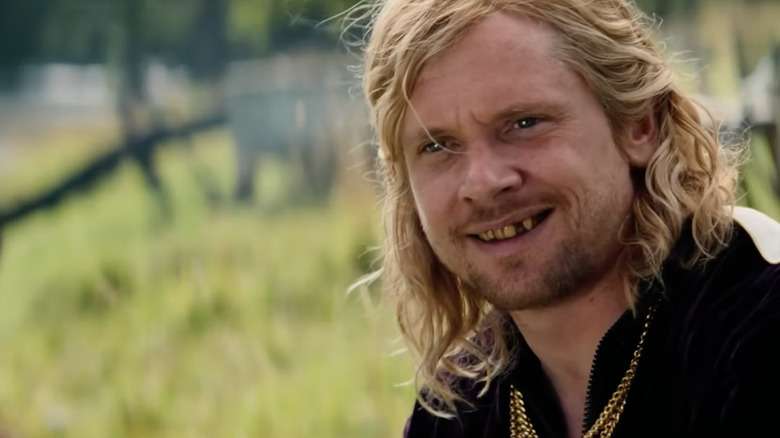
In this way, they’re akin to the zombies they’re dealing with. For their part, the infected are this aspect taken to extremes. Hell, it’s even in the name of what started it all: the Rage Virus. 28 Weeks Later focused more on being a zombie flick, and 28 Years Later was something of a coming of age journey. The Bone Temple, for all the ways it’s presented differently, brings us back to those ideas about human nature and finding humanity among the inhumane.
By and large, this is presented through Kelson’s unexpected relationship with Samson. From Kelson’s perspective we see there are still plenty of things to learn, but more interestingly, we get Samson’s point of view on a few things. It’s here the film gets back to the idea of the virus/infection merely bringing out these horrible characteristics. That they are still people trapped within the raging monsters who are capable of thoughts, even feelings.
I loved how the movie handles Samson in general. In many ways he’s as much of a protagonist in the film as anyone else; given his own arc and everything. There are times where I found myself empathizing with him even more than the fully human characters in the story.
Spoiler Time!
One of my favorite scenes in the film is when Samson journeys back to the broken down train (where his zombie bride gives birth in the last film). Throughout the movie, we hear him have flashbacks to being on the train and intimate it has something to do with his past. He returns and has visions of his old life, ultimately speaking more words. When he’s confronted by the other infected he used to control/lead, they attack him.
Despite the change happening to him being completely internal, they can sense the shift in him. Instinctually, they know something is fundamentally different with Samson and respond the only way they know how. And yet, even as he rips and tears his way through them, Samson is able to retain the humanity he’s begun rediscovering. It’s a sequence that manages to be thematically poignant and incredibly badass to watch.
End Spoilers!
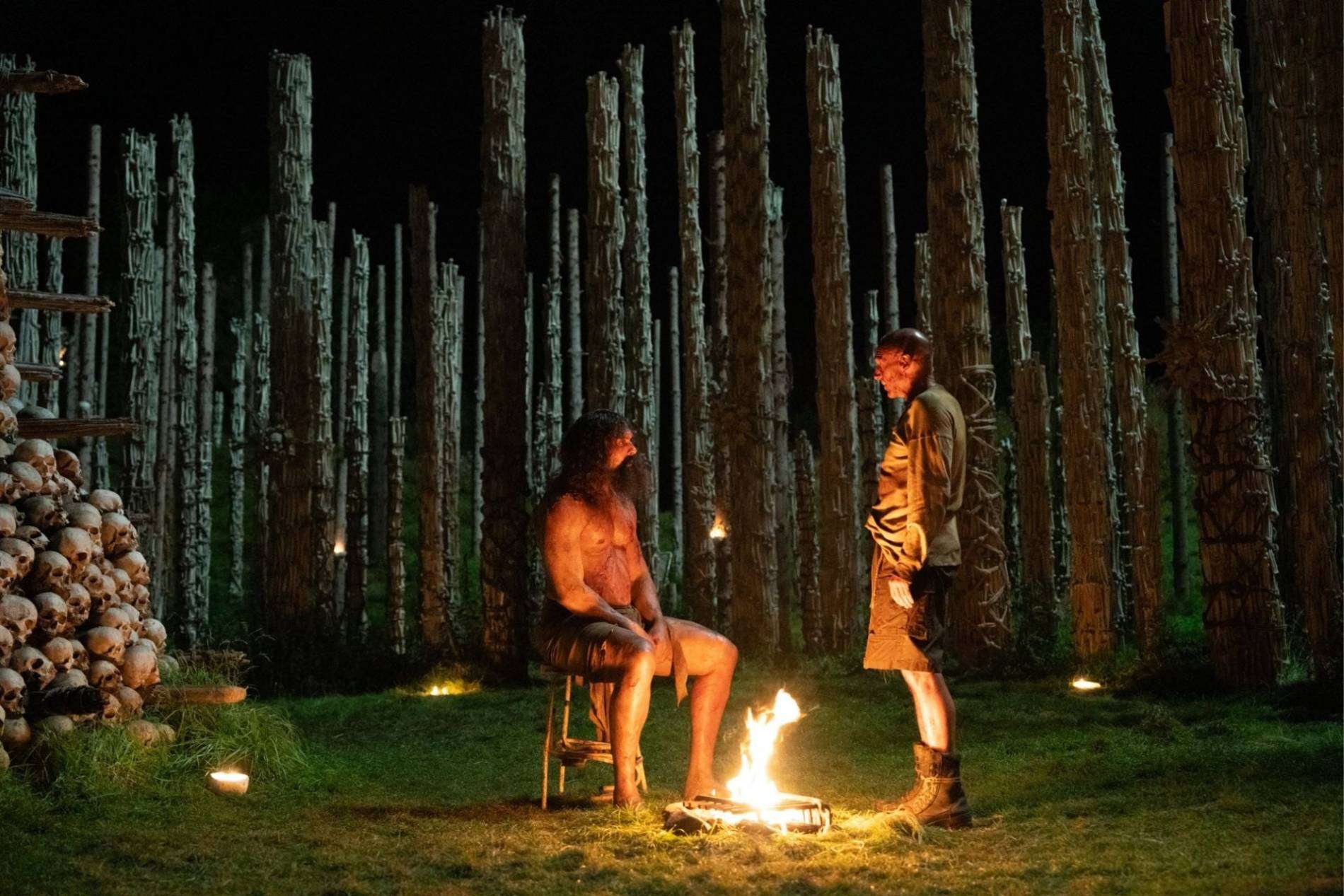
In this way, The Bone Temple puts the spotlight on what it truly means to be human. Despite not being infected, Lord Jimmy is just as deranged, violent, and deadly as the zombies. What makes him worse, however, is the fact he willfully chooses to do the horrible things he does. He revels in the anguish he causes, thrilling in the idea of bringing others into his debauchery.
Samson, on the other hand, is actively seeking reprieve from the horrors of his existence. When he ultimately finds it thanks to Kelson’s numbing darts, he makes conscious decisions to change. He doesn’t kill Kelson while the doctor sleeps, though it’s obvious the drugs would have worn off in time for him to do so. Samson begins chasing memories instead, trying to retain those glimpses of the humanity he once had.
The Bone Temple forces audiences to confront the terrible nature of people, the fear and rage that can drive them. More importantly, it reminds us of our capacity for compassion and understanding, even in the face of such horrors. A reminder that surviving—thriving in a way—and being good aren’t mutually exclusive.
This duality is a big part of what makes the original 28 Days Later so engaging. The continuation of those ideas is a major reason why The Bone Temple will stick with you long after the credits roll. Even as it seeks to tell a slower, quieter tale, it embodies those thematic elements in every sequence. Not only does it make for a gripping watch, it practically ensures future viewings will yield more insight.
Honestly, the only real problem I have with the film is the fact it’s undeniably a “middle chapter” kind of movie. I absolutely love the story being told. The performances are great, allowing for genuinely chilling moments and emotional ones, and even with less zombie action than expected, there’s plenty of fun set pieces to get your blood rushing.
Despite largely telling a new story altogether, it doesn’t—can’t—effectively work without all the setup from the previous film. And the ending, incredible as it is, is begging for a follow-up to answer the big lingering questions. It’s not a movie you can enjoy on its own, serving more as a “part two” to the previous film than a standalone sequel.