
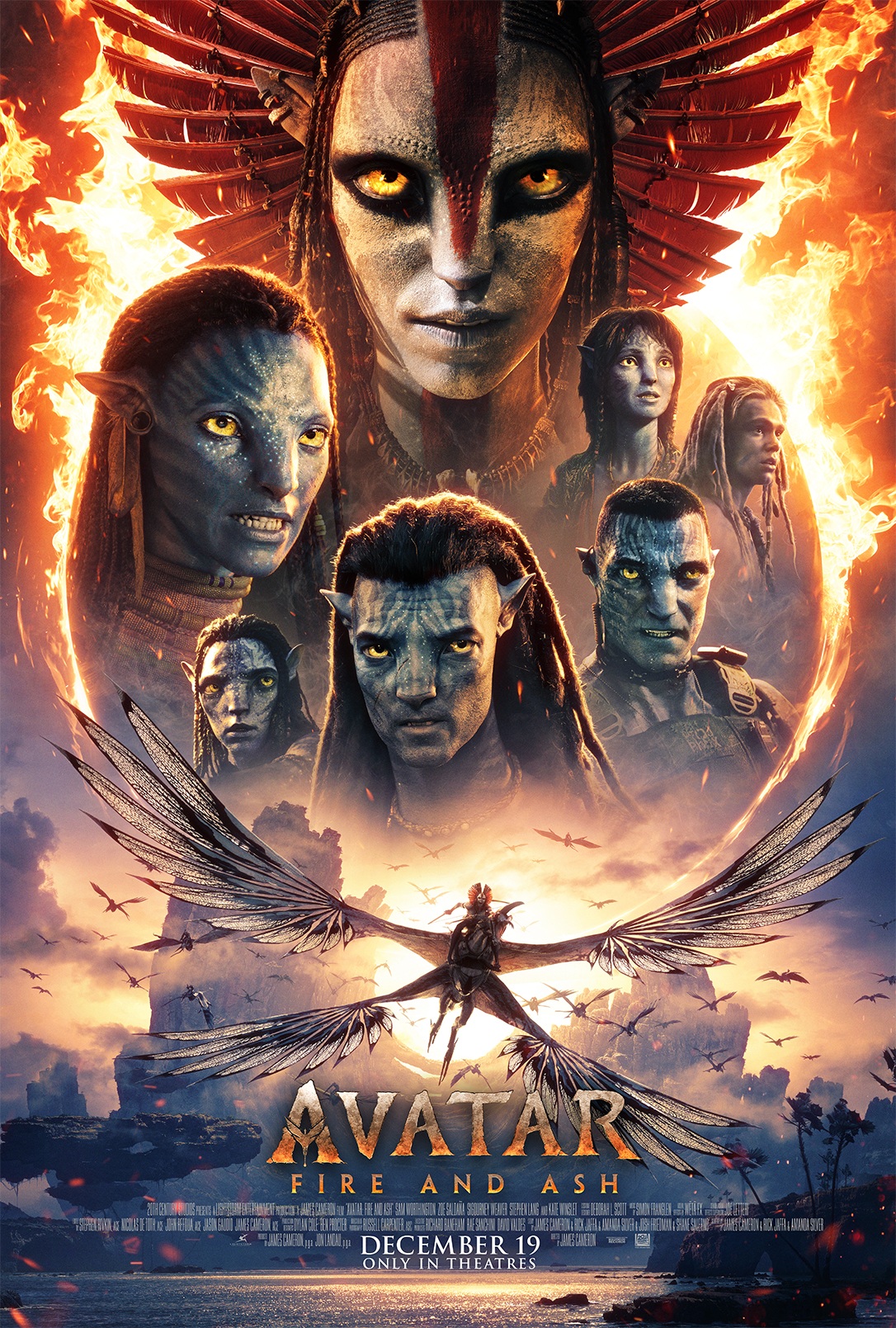
Avatar: Fire and Ash brings all-out war to Pandora, while offering some of the most important character moments of the franchise, and satisfying full circle moments.
Avatar: Fire and Ash
Directed By: James Cameron
Written By: James Cameron, Rick Jaffa, Amanda Silver
Starring: Sam Worthington, Zoe Saldaña, Sigourney Weaver, Stephen Lang, Kate Winslet
Release Date: December 19, 2025
My love of James Cameron’s Avatar is definitely no secret. I was all on board the hype train during the long years between the first and second film, and was blown away by how much The Way of Water deepened my love of this universe. In some ways, it’s almost weird to be able to sit down and watch the third film after just a few years. There’s definitely a difference you can feel as you’re watching.
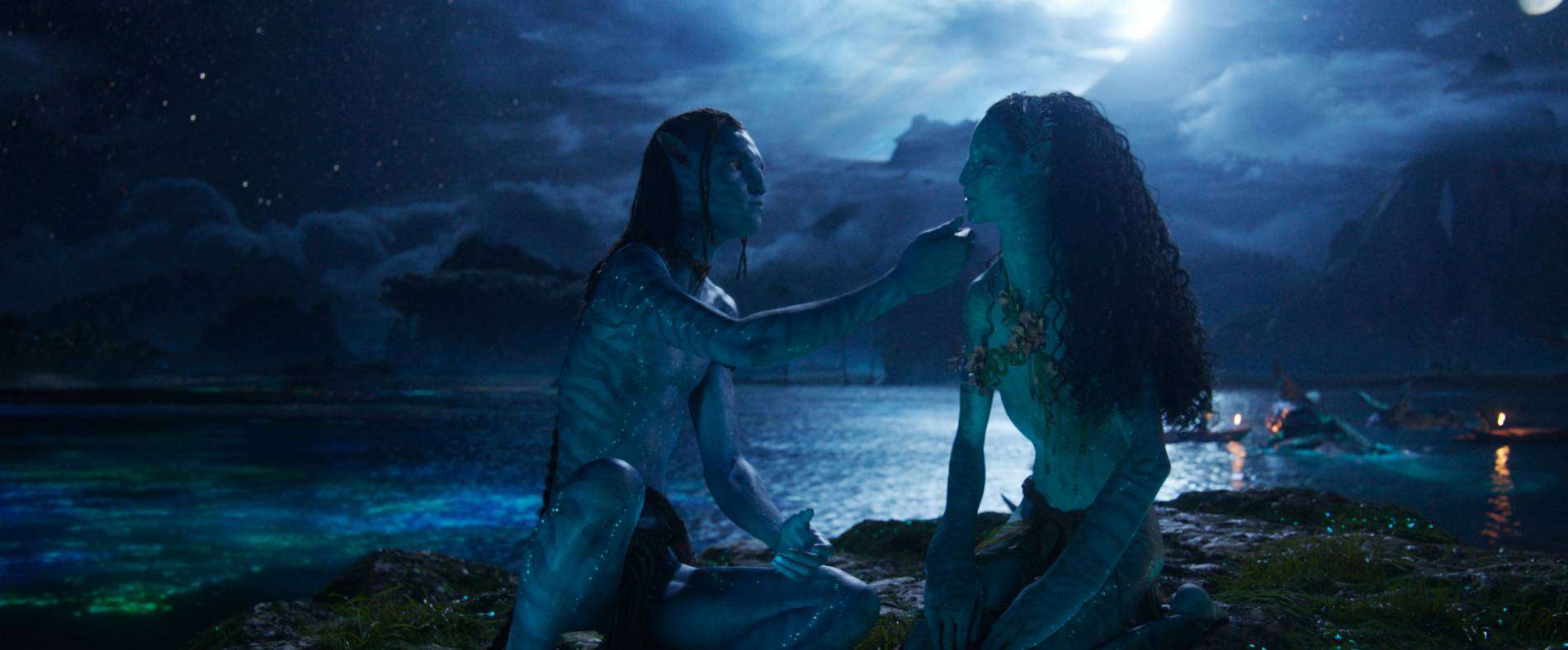
After the first film, it felt like the story could go anywhere, and we had over a decade to contemplate the future of Jake Sully and Neytiri and imagine where things might lead. With Fire and Ash, however, we knew it was picking up on events almost immediately following The Way of Water. In this way, it feels like you have to shift your mindset while you’re watching. This film isn’t about rediscovering Pandora and catching up with old friends. Where The Way of Water felt like a revival, this new film is a continuation.
It might be best to think of Fire and Ash as The Way of Water 2 rather than Avatar 3, if that makes sense? As such, it loses some of that sense of awe from the previous films even as it introduces some new aspects to the world. This isn’t necessarily a bad thing, but can certainly take some adjusting. Regardless, the result is something incredible and perhaps the most emotional and bombastic entry in the franchise so far.
Now, with that out of the way, let’s dive into Fire and Ash proper! Typically I tend to keep my reviews spoiler free, but honestly…I don’t think I can do that here. There are some very specific things I want to get into—hell I’m not entirely sure this will end up being a traditional kind of review—so I’m changing things up. So if you haven’t watched Fire and Ash just yet, you may want to hold of on reading this until you do.
If you have, or simply aren’t scared of spoilers (I won’t go into deaths or anything like that), then let’s get to it!
Bringing the Fire
First and foremost, Fire and Ash may be the most visually impressive Avatar film. While the technological leap isn’t as vast/noticeable as the one between the first and second film, there’s no denying how stunningly beautiful it is. And I’m not just talking about the animation and general visual effects. The spectacle on display is on an entirely new level all around.
With so much of the story playing off things established in Way of Water, Fire and Ash is able to largely dive right into the action. The conflict and open warfare everyone feared in the previous movie comes to fruition here. That means a lot of things happen quickly, which allows for more action sequences than the previous films sprinkled throughout. These range from smaller skirmishes to larger ones, with each managing to feel dynamic and engaging in their own way.
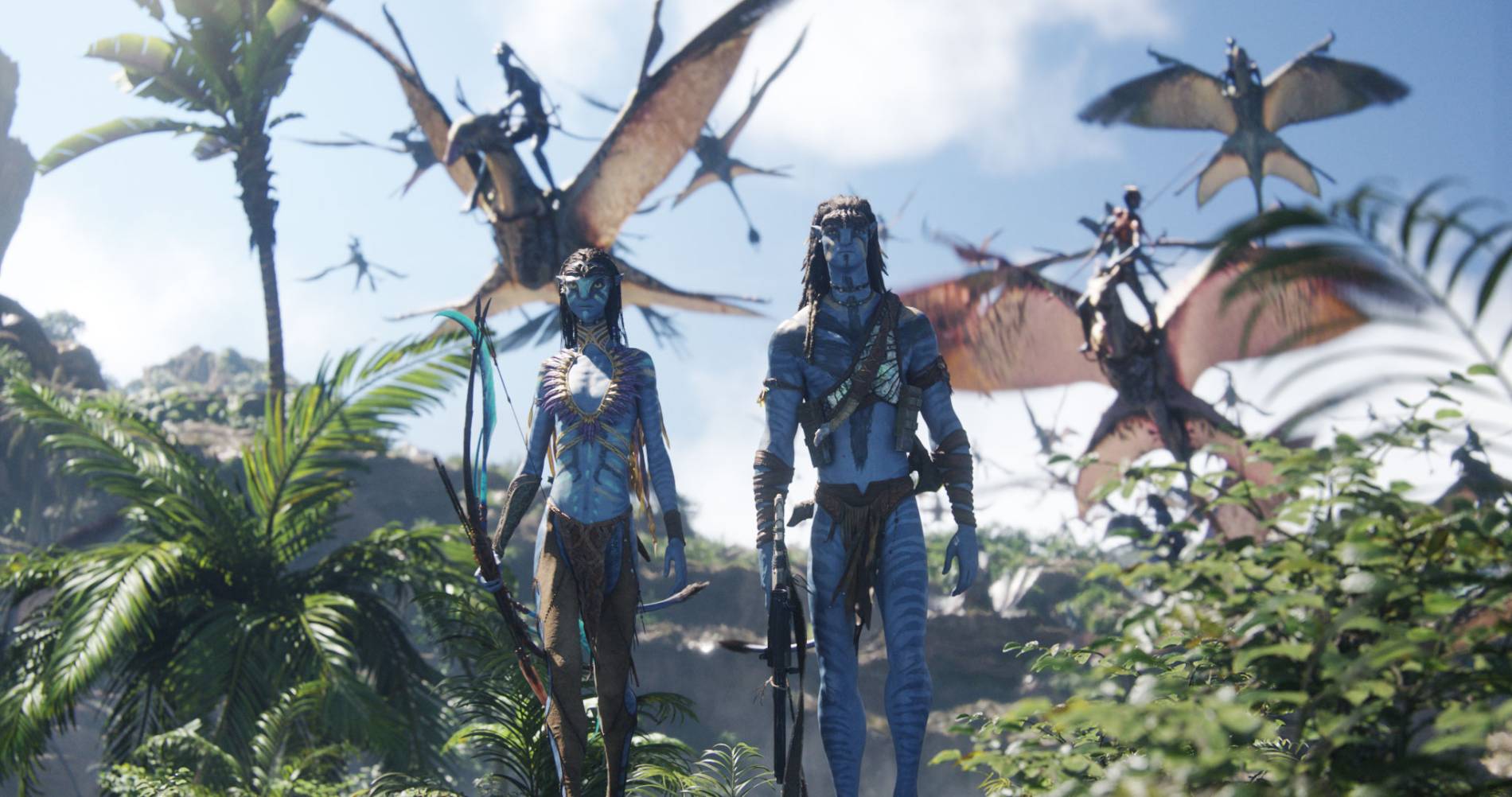
The final third of the movie, however, steps things up in significant ways. James Cameron has long been known for his ability to craft amazing action sequences, and the scale of the battles in the Avatar films have always been eye-popping. Somehow, Fire and Ash sees the director take things to an all new level. From Neytiri’s assault on the human compound to a final battle that takes place over air, land, and under the sea, the final third of the movie manages to pack in an insane amount of “holy shit” moments.
Purely on a visual/spectacle level, it’s breathtaking and pure fun to watch. That aspect alone is gonna make this film one of the most enjoyable to go back and rewatch. Beyond that, however, all of these action sequences mean something. They hit hard because there are genuine stakes and emotional attachment to the outcomes.
Though the frequency of the action is stepped up, the story ensures you remain invested in what’s transpiring. Like the battles in The Lord of the Rings, these set pieces transcend being merely fun, or for the sake of looking cool, and become something crucial to the core experience.
Character Driven
As action-packed as Fire and Ash is, it also manages to be the most character driven story of the franchise. Truly, we get some of the most intimate, touching moments between all of the main characters in this film. They serve as defining points in their lives while showcasing the growth everyone has undergone throughout the entire story.
Though Avatar 4 and 5 are still looming in the distance, part of a grander story Cameron has put together, there are many aspects in Fire and Ash that feels like a conclusion of sorts. The result are seeing multiple characters hit certain crucibles and/or reaching the endpoint of where the story has been leading them.
Even better, all of these feel like natural evolutions of the characters. Nothing feels out of left field or like a sudden turn has been made. It’s not that things are predictable, but that the films have done such a great job of showing how the events of each story has shaped them up to this point.

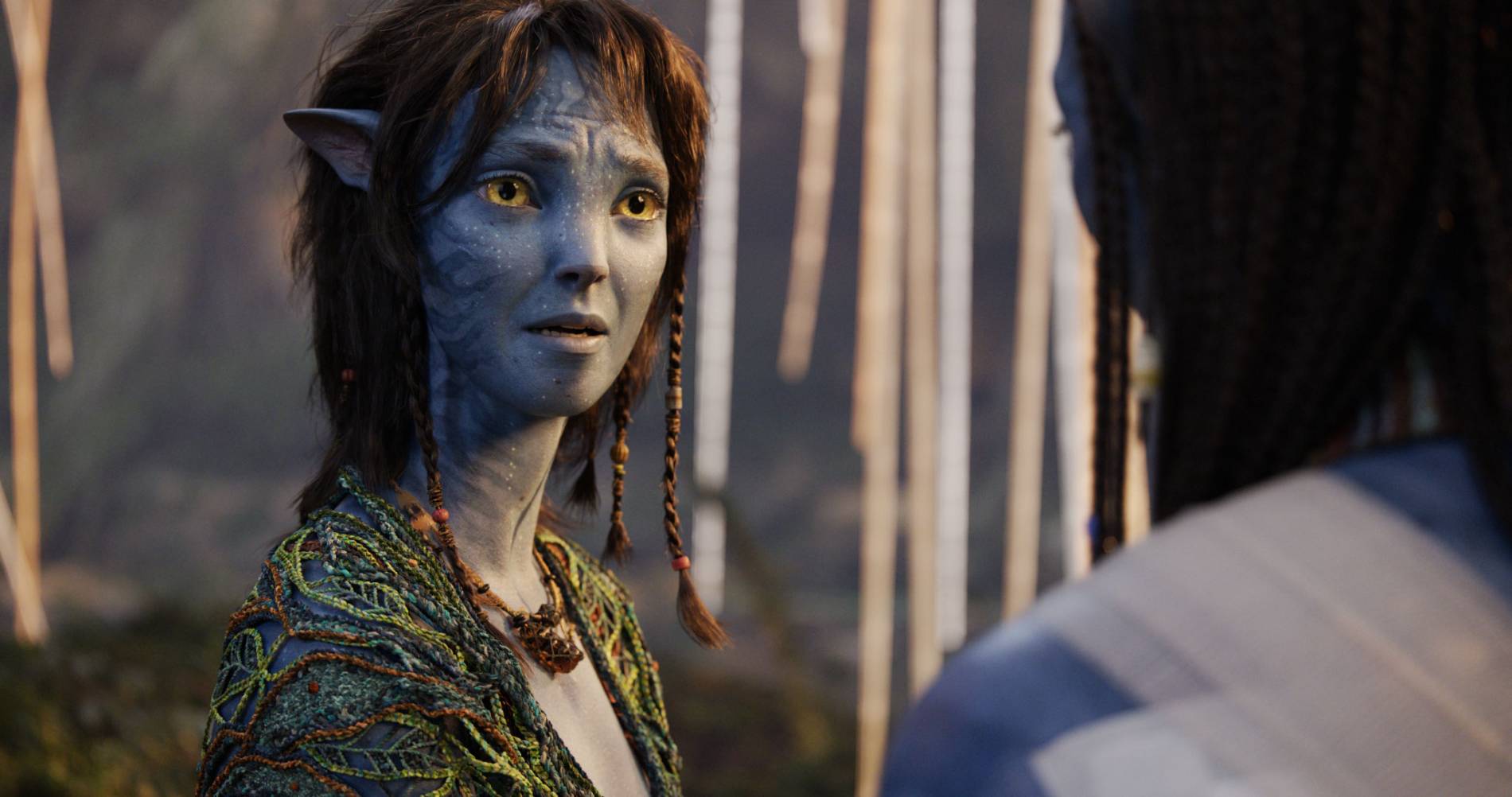
Kiri and Spider are probably the characters who get the most attention in this regard, even as Lo’ak takes over as our narrator in the story (a subtle, but important shift from Jake to show the torch passing). But the beauty in Cameron’s storytelling in the Avatar films is how he allows plenty of time for every important character to get enough of the spotlight.
Lo’ak’s story feels like the most important one at times, but there’s a good chunk of the story where he’s away, searching for Payakan who’s been exiled once more by the big tulkun matriarchs. This time away gives Kiri and Spider the screen time they need to expand, showing the audience their importance to the overall story and influence they have on everyone else.
Moreso, we see how Jake and Quaritch’s relationship continues to evolve, changing as the characters themselves continue to grow and uncover new parts of themselves. In The Way of Water, we saw how Jake wants to leave the warrior life behind, but Quaritch’s quest for revenge forces him back into that life. In Fire and Ash, that dynamic continues to shift.
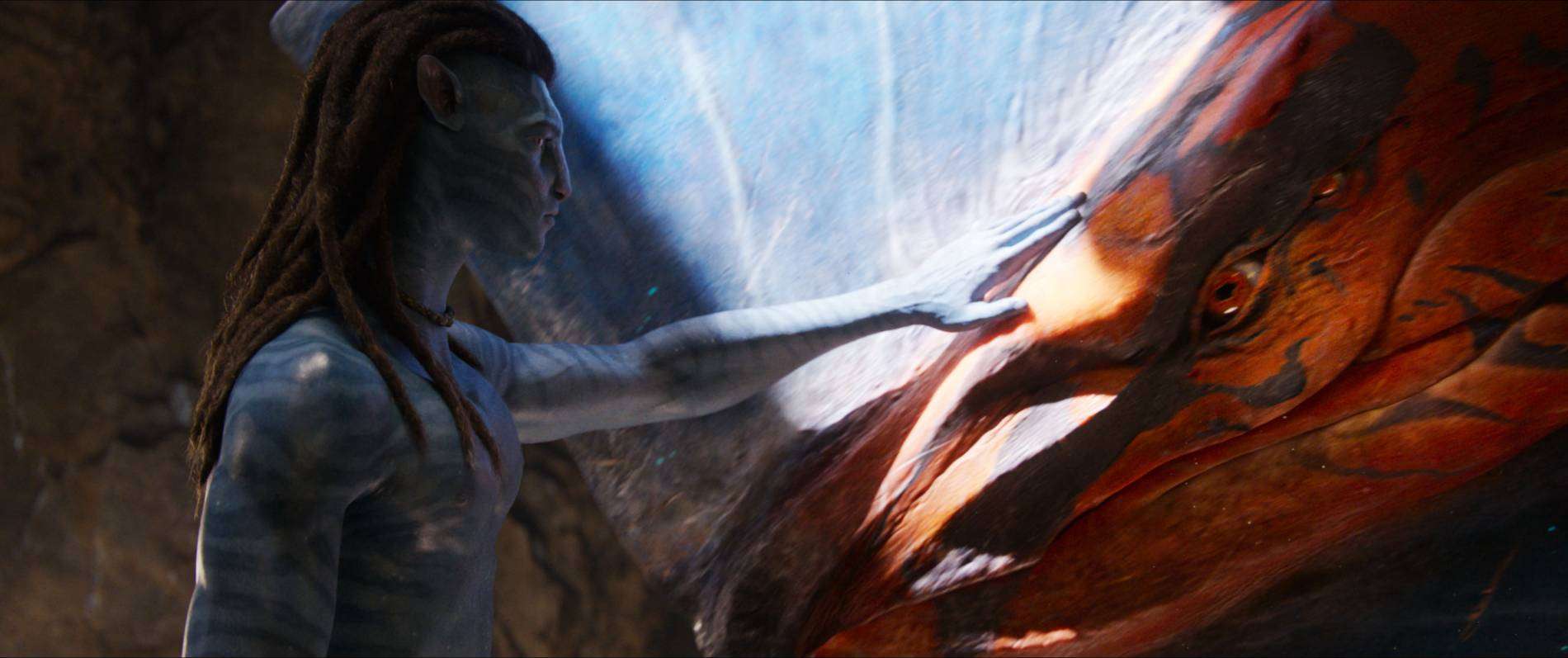
While Jake comes to understand the need to take up arms once again, he’s able to approach it from a more mature perspective. It’s the difference between itching for a fight/glorifying in the victory, and accepting the need for violence without reveling in it, or letting it consume you.
For Quaritch, his vendetta against Jake remains personal, but he’s forced to reckon with the idea that the man he used to be, the one who Jake betrayed and set him on this path, truly no longer exists. He’s changed dramatically, opened his eyes to new ideas/experiences, and yet he’s not sure what else to do. So much of his personality has been tied into “taming” Pandora and bringing Jake to heel, it’s almost like his continued attacks are more out of habit than genuine desire anymore.
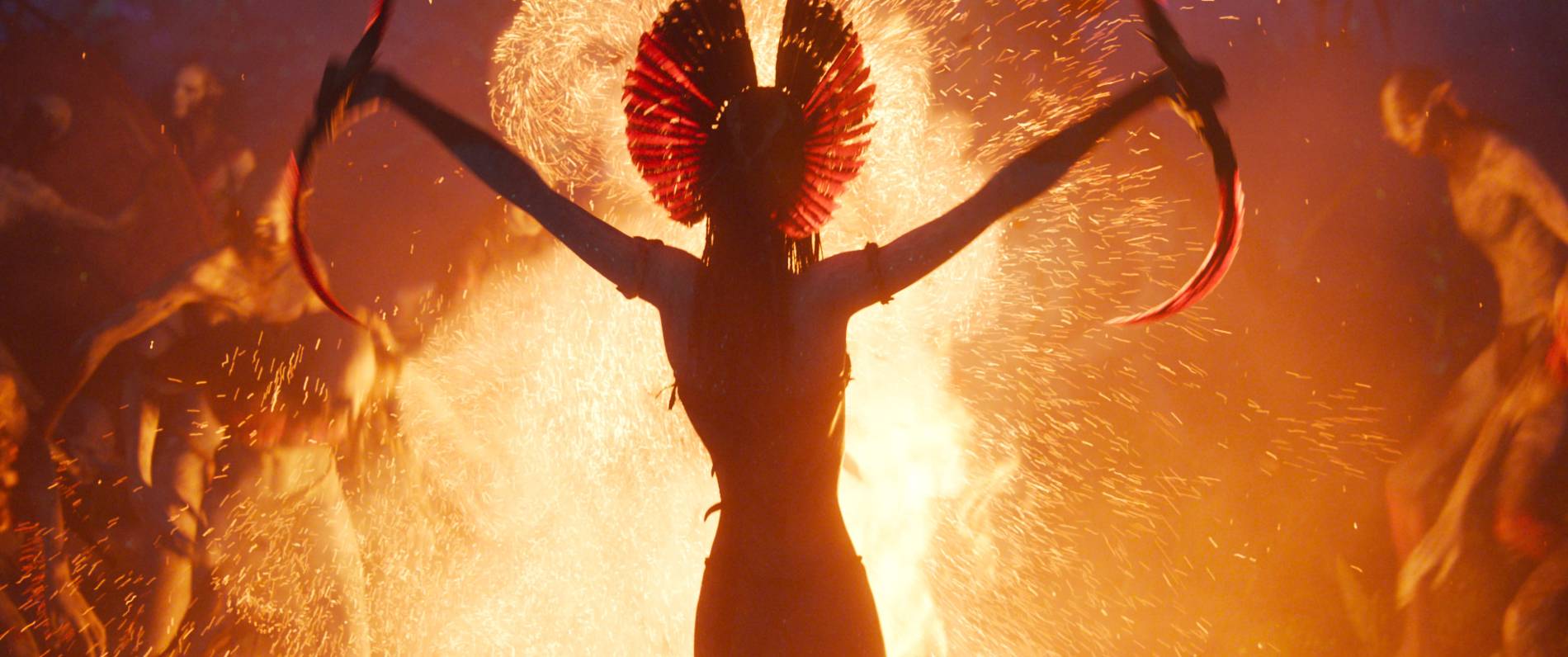
These emotional highlights are made all the more powerful thanks to some of the best performances we’ve gotten out of the franchise. Not that I ever thought they were bad before (far from it), but they manage to take it another level. Zoe Saldaña remains a highlight, and watching Sam Worthington and Stephen Lang play off one another is a blast. Oona Chaplin’s arrival as Varang is stellar. This is an all-time fantastic villain and she oozes danger/menace in every scene.
There are some wobbly moments, mostly coming from the younger characters or smaller side-roles. By and large, however, the main cast does a phenomenal job of selling things. Suffice it to say, Fire and Ash does a fantastic job of taking all of the character setup and exposition done by the previous movie and drives things home. Where they end up by the end of the film is not only a satisfying end to their character arcs in this film, but their arcs in all of the films.
Finding the Faith
I won’t dive into every single character—though I could—but there’s one specific character dynamic in the film I want to highlight. An aspect of the story that shows the thoughtfulness and thematic depth present within the film; because there are a lot of big themes prevalent all throughout.
Faith is a key part of the story. Honestly, one could make the argument for the film being more along the lines of a religious epic than anything else. This is embodied most in Neytiri’s story as she continues to struggle with the loss of her son, Neteyam, at the end of The Way of Water. Her journey is deeply personal, but touches on the broader ideas of faith and what it means to truly believe.
The reality is, Neytiri is struggling in her faith. Although she tells Jake early on that it’s all she has left, it becomes clear she’s lost it somewhere. Her actions feel more rote, as though she’s going through the motions and hoping they help ease the deep pain inside of her…because nothing else is helping.It’s not until she’s faced with Varang, and all she represents, that Neytiri is able to come to terms with her beliefs.
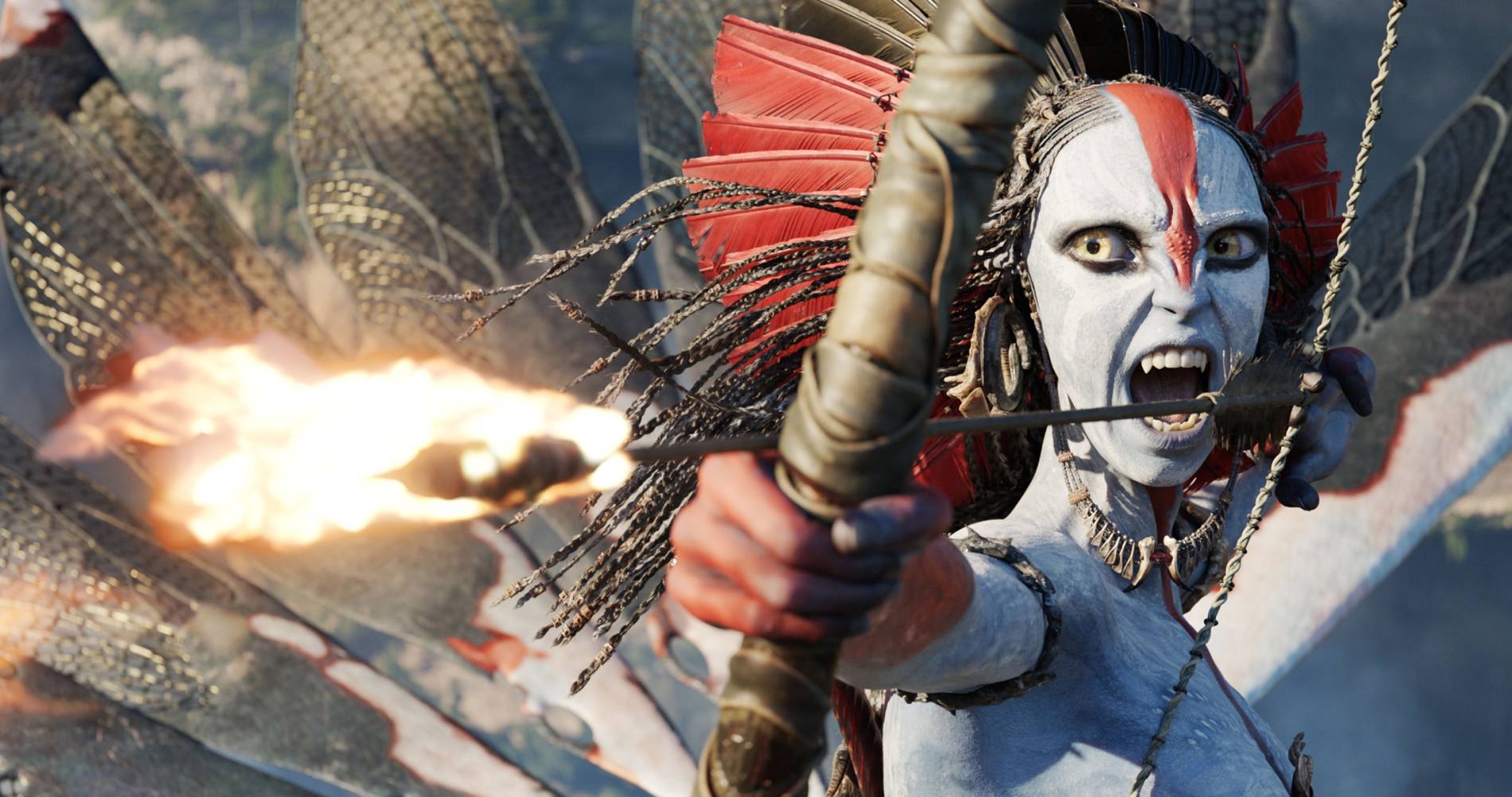
In many ways, Varang is the antithesis of Neytiri; opposites in much the same way Quaritch is to Jake. Neytiri’s faith is as vital to her core being as rage is to Varang. It’s not that Varang is faithless, but that she hates Eywa for what she perceives as abandoning her people.
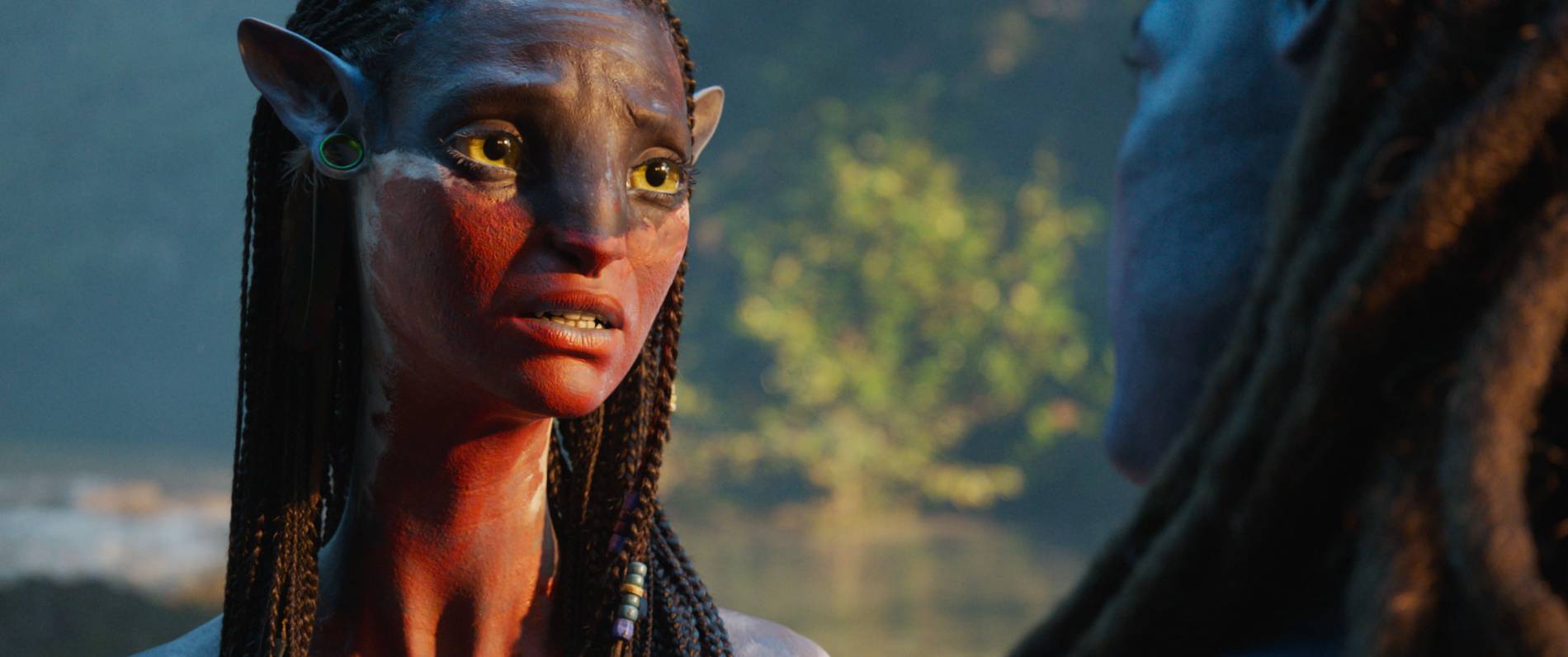
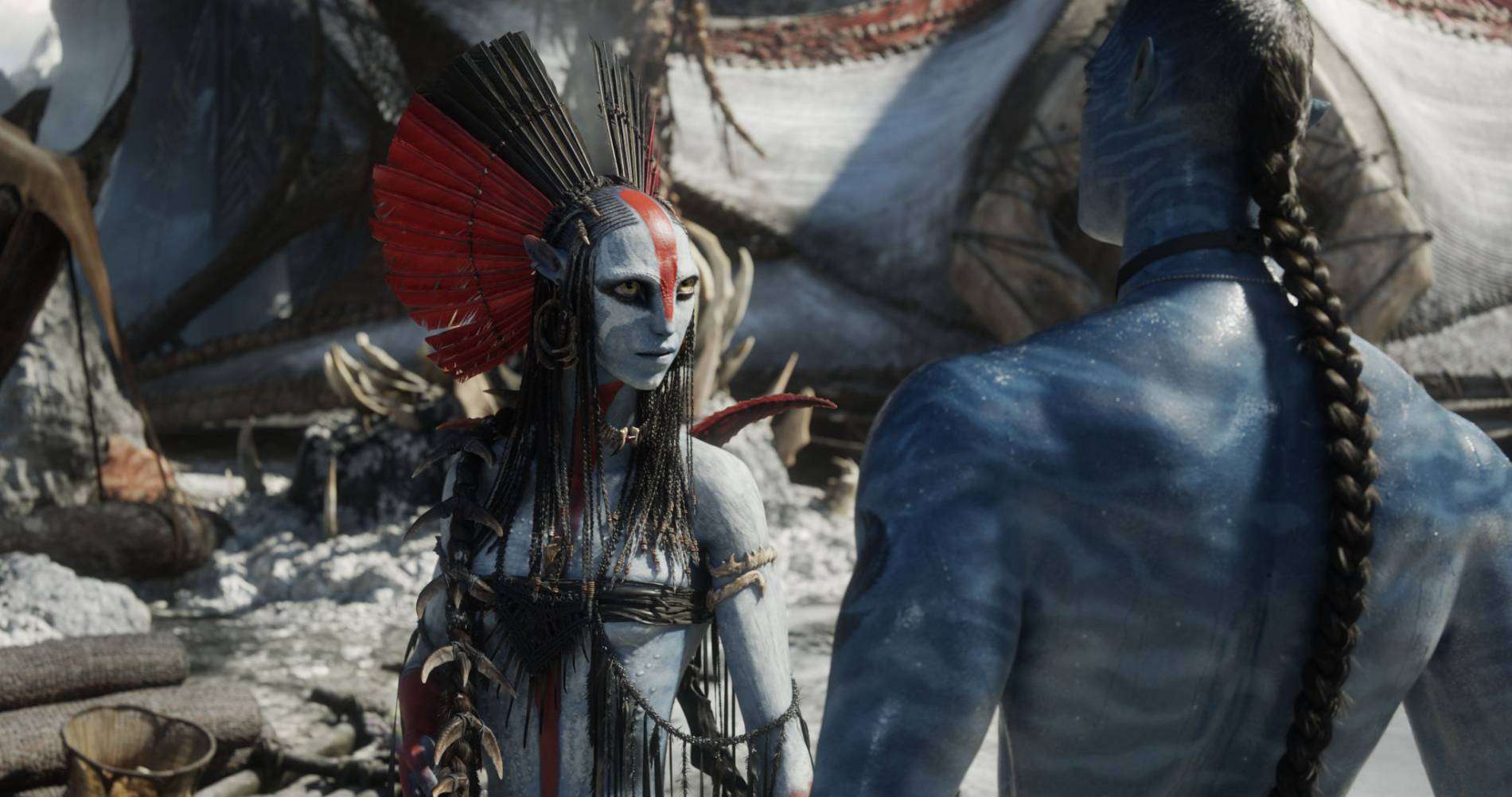
Neytiri’s continued encounters with Varang forces her to constantly confront her own fears and anger at Eywa. When she takes on the appearance of Varang’s faithless Mangkwan people in order to help liberate Jake from the human compound, it becomes clear that her hate is almost as overwhelming as Varang’s own. That she’s reached a point where she isn’t as different from her enemy as she once believed.
This makes the pivotal moment with Spider resonate powerfully. After the rescue, Jake believes he must kill Spider in order to protect all of the Na’vi, a suggestion initially proposed by Neytiri herself. But as she desperately tries to wash away the Mangkwan war paint in the river while Jake walks Spider away to do the deed, she comes to an important realization: if she kills Spider, the child she’s come to resent as a representation of all the “sky-people,” she’s heading down the same path as Varang.
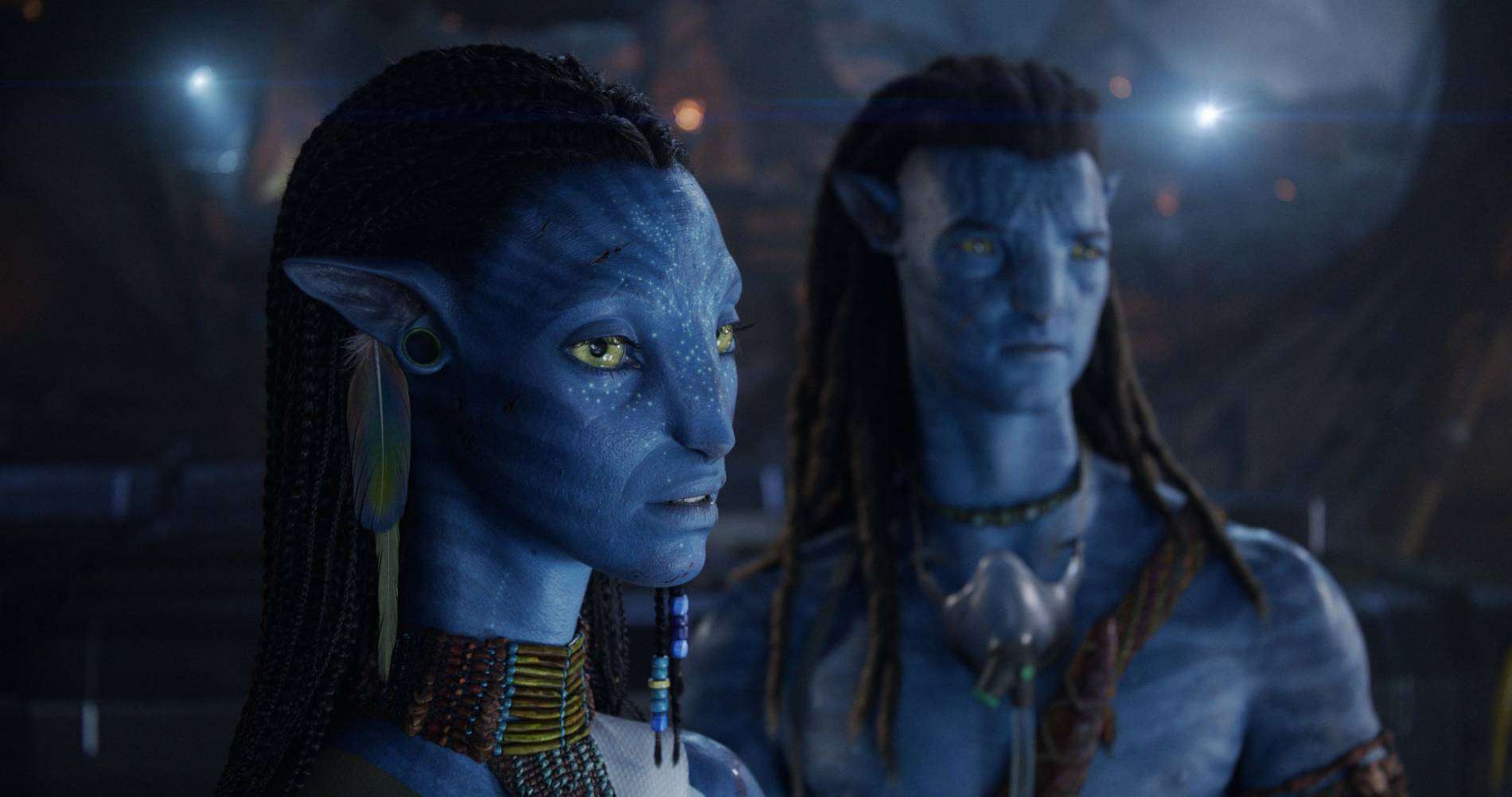
Neytiri is reaching the point where her rage is becoming more important than her faith. If she wants to be free of it, she must embrace the fact her son’s death—even the acceptance of how important humans are in her life—is part of Eywa’s will. If she can’t, then her faith is truly gone and all the sacrifices made, the things she’s fought for her entire life, mean nothing.
Letting go of that rage and accepting Spider for the good person he is, rather than a symbol of her strife, is what allows Neytiri to truly return to her faith. It allows for a more meaningful progression of her grief and to truly accept Eywa’s grander plan beyond the lip service she’d been giving. Furthermore, this makes her renewed will to fight and trust all the more meaningful; harkening back to the first film and her staunch belief in Eywa providing for their victory.
It’s Like Poetry, It Rhymes
Funny enough, one of the things I enjoyed most about Fire and Ash is something I’ve seen others criticize it for. There are a number of moments in the film that specifically call back to big moments in the previous films. Some feel this makes it a bit repetitive, adding to that feeling of the movie bringing nothing new to the table (as I mentioned earlier).
There’s definitely some validity to the complaint, though I’d argue there’s a key difference to keep in mind. The film isn’t so much repetitive as it is purposefully cyclical. There’s an intentionality behind the parallels being used that add to the film’s core themes and brings certain characters and ideas full circle. Another reason Fire and Ash has the feel of a conclusion.
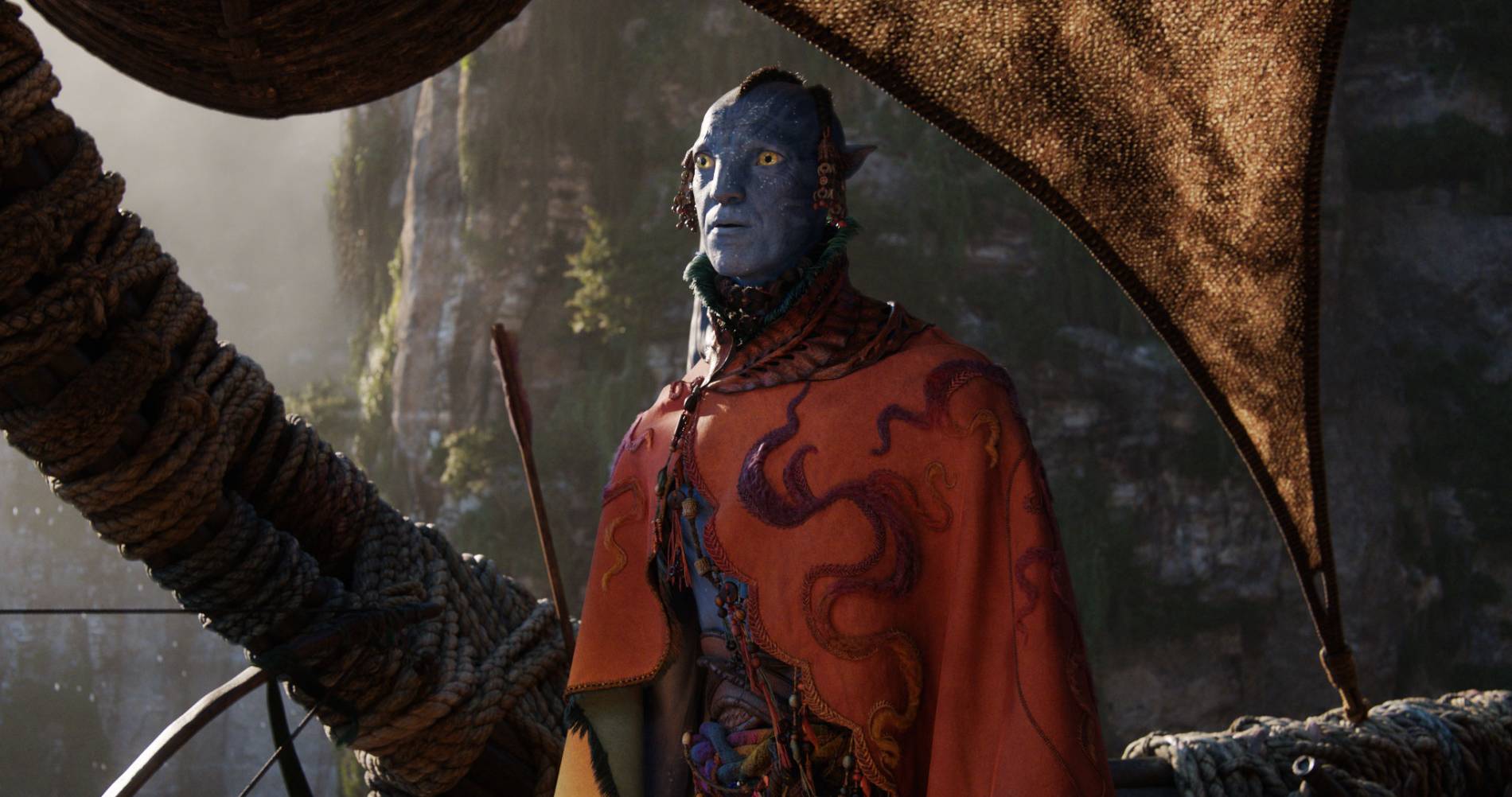
There’s the introduction of new Na’vi clans with their own customs and traditions. Payakan’s struggle among his tulkun brethren continues and expands our understanding of them. Even, Captain Mick Scoresby (Brendan Cowell), the tulkun hunter who lost his arm, is back and more nasty than ever.
On the broader scale, Fire and Ash continues the thematic throughline about the horrors of colonization. Giovanni Ribisi’s character, Parker Selfridge, returns this time around to help emphasize the corporation aspect of things destroying the natural world. This is coupled with the concept of a connected world, an ecosystem that needs to support one another to survive, leading to a deeper understanding there is something bigger than ourselves.
Additonally, we witness Quaritch continue down the path he started in the last film. As his story expands, we come to find out his journey is not dissimilar to Jake’s in the first film. He initially sees the need to embrace the Na’vi culture/language as a means to an end, but slowly ends up internalizing the things he’s learned. His interactions with Varang are a fun inversion of Jake and Neytiri’s story; how they learned from each other and drew closer.
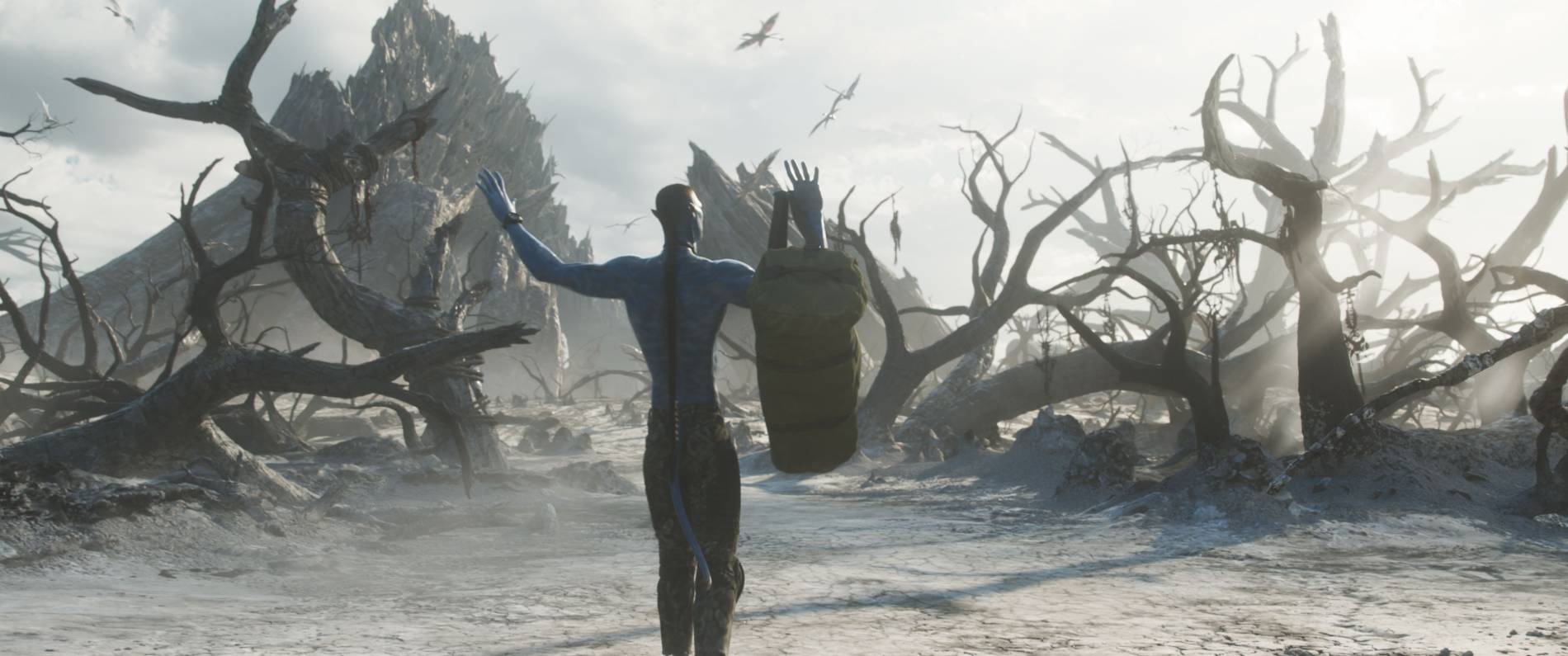
Ultimately, Quaritch gets to the point where he begins living more like the Mangkwan Na’vi on the base rather than his human compatriots. Even beginning to disobey direct orders from his commanders and doing his own thing.
This is why Quaritch remains such a fascinating villain. At this point, we’ve seen him hit many of the same milestones as Jake did. Yet, Quaritch has taken all the wrong lessons from his journey. His mindset and background is so radically different there’s little chance for him to make the same connections, even as Jake keeps pushing—hoping—to make it happen. Not only does this give Jake a more personal and relatable foil, it makes Quaritch more unpredictable. You’re never quite sure which way he’ll go in any given situation.
Parallel Stress
As much as I loved seeing the parallels play out, there are some instances where the execution could have been a better. Or at least fleshed out. The example that stands out the most is when Eywa decides to join the fight at the end and save the day. It happened in the first movie, as the Great Mother seemed to respond to Jake’s pleas for help. In Fire and Ash, we see Kiri finally make the connection she’s been desperately seeking, almost serving as a mouthpiece/guide to Eywa. The result is essentially the same and both are spectacular moments to watch.
The issue is, it’s curious that Eywa was so willing to intervene before in the original film, but now we need a genetic chosen one (Kiri) to make it happen? It’s a little strange. I think I understand the narrative reasoning, which ties into the themes about losing faith, but it’s not expounded on enough in the movie itself for audiences to make that clear connection. As such, I can understand why many feel it’s just a repeat of the first film’s deus ex machina.
For the most part, I felt Fire and Ash took the best parts of the first two films and remixing them into something fresh. Not merely repeating the same plot beats, but using those elements in order to spotlight the greater ideas/themes of interconnectedness.
Other Quibbles
I love this film. Quite a bit as you can probably tell at this point. I need a few more viewings to be sure, but there’s a good chance Fire and Ash ends up as my favorite so far. That said, it’s not a perfect film and there are some aspects I would have liked to see improved.
For one, some of the character interactions needed…more. It’s a wild complaint to make in a film with over three hours to it, but there are moments that needed a little more context added. Sometimes, big things/conflicts happen between characters, then they don’t see each other for a long period of time, and by their next conversation we see them resolve things.
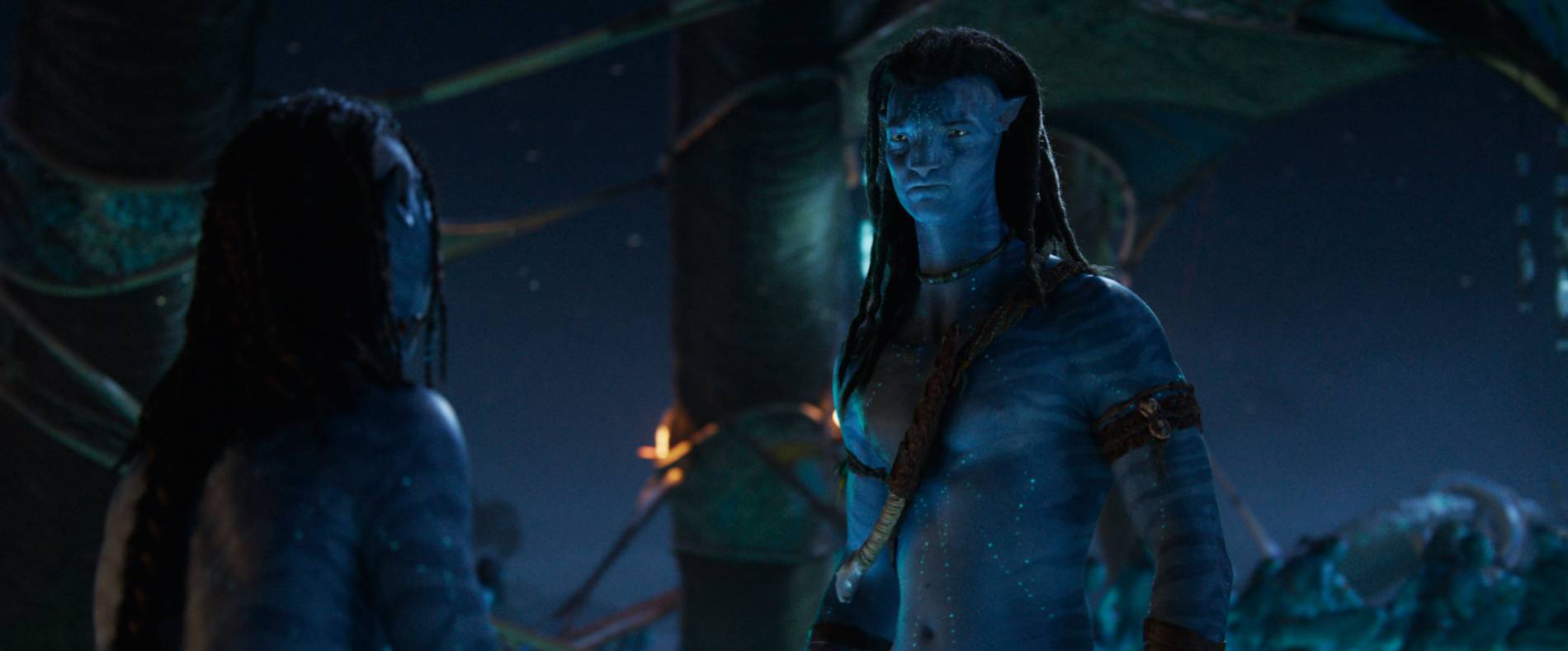
Lo’ak and Jake’s strained relationship is probably the biggest example of this issue. Lo’ak carries the weight of the world, and his father’s almost mythical legacy, on his shoulders; to the point where he feels like ending it all. When he returns after disappearing for a long stretch of time to find Payakan, however, Jake’s attitude towards him remains largely the same. It’s still a frayed, contentious relationship. Jake finally tells Lo’ak he’s proud of him after getting tossed from Toruk and facing defeat, but it feels like we missed a conversation in between that would have made the moment more impactful.
Same goes for Neytiri and Jake’s arguing earlier. Neytiri’s hate for the humans, and how it conflicts with the love for her family, is an intriguing idea. Lot of engaging thematic ground to be covered there, but it isn’t really delved into. Sure, we get the resolution with Spider, which works great on a personal level (she helped raise him after all), but she never addresses the larger issue with her husband.
I also would have liked to see more exposition on the human side of things. When Jake is captured and brought to the compound, it’s celebrated by all as this massive victory. It appears his actions are just as legendary for the humans as it is the Na’vi. But we spend so little time at the human compound—only seeing the military side of things when we do—it felt like these people came out of nowhere. The realization vastly expands the scope of the human colonization effort, but feels like it needed a bit more precedent behind it.
All together, these aren’t deal breakers by any means, but certainly things that stood out in an otherwise stellar flick.
All of this is to say (and I didn’t dive into the Native American stuff this time!), Avatar: Fire and Ash is a pretty damn good movie. I understand how many don’t feel its as revelatory or groundbreaking as the previous two, but I don’t think that’s its goal either. What it accomplishes, however, is stunning and sticks to the core themes that have always been prevalent in the franchise.