
Guillermo Del Toro’s take on Frankenstein is a gorgeous endeavor oozing with style, but falls flat in its attempt to bring its biggest themes to the fore.
This isn’t going to be like my other reviews. In fact, I’m not even sure I want to consider this a “review.” Rather, this is more an analysis of the new film, diving deep into the film and explaining exactly why it didn’t work for me…Much to my dismay. Suffice it to say, there will be plenty of spoilers. But this is Frankenstein, so I’m not sure I can spoil it.
Frankenstein (2025)
Directed By: Guillermo Del Toro
Written By: Guillermo Del Toro
Starring: Oscar Isaac, Jacob Elordi, Mia Goth, Christoph Waltz
Release Date: November 7, 2025 on Netflix
I’ve been looking forward to Guillermo Del Toro’s Frankenstein pretty much since it was announced. His penchant for gothic aesthetics and horror background makes him feel uniquely suited to adapting Mary Shelley’s iconic story. And yes, this film definitely hews closer to the novel in certain regards (no Igor or mob of villagers, etc).
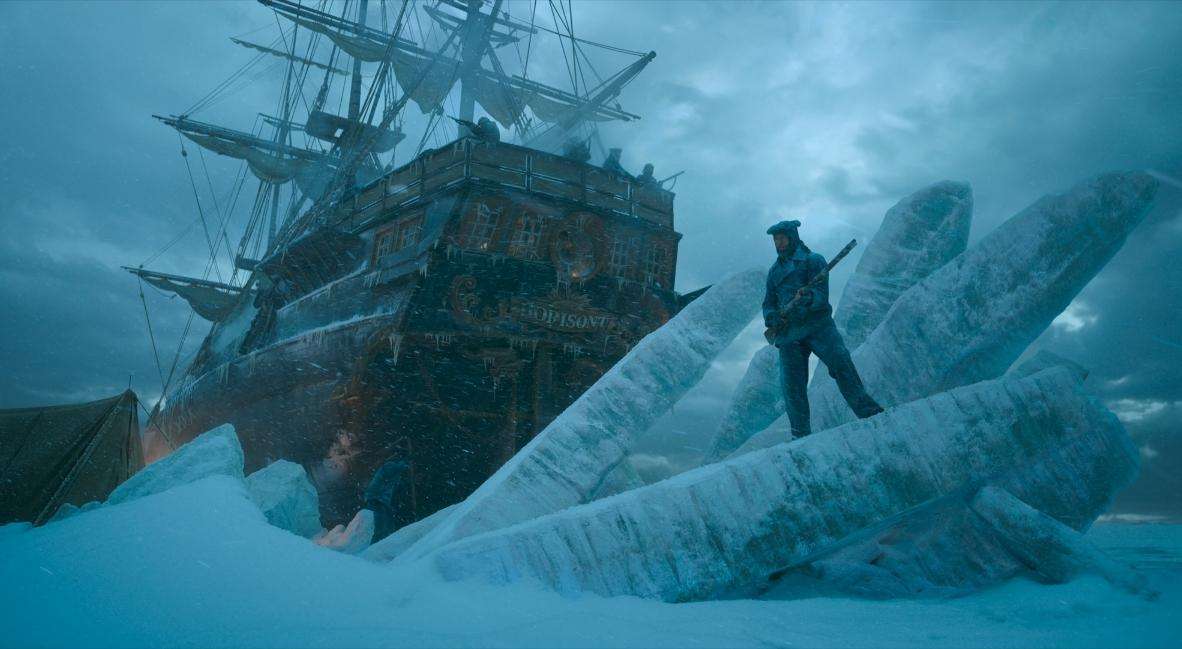
It begins at the end, as Danish Captain Anderson finds him and his crew stuck in the ice during their expedition to the North Pole. A conquest Anderson is consumed with. It is here they stumble upon a battered and near death Victor Frankenstein (Oscar Isaac) and bring him on board. When they’re attacked by the Creature (Jacob Elordi) who demands Victor be turned over to him, Victor recounts his life story to Anderson in order to get him to understand what’s going on.
Pretty standard Frankenstein stuff! The film is then told via flashback from the perspective of both Victor and the Creature. Despite having a similar overall structure to the novel, it makes some pretty big overall changes, some of which feel all the more baffling considering how it wraps up.
Regardless, it ended up being a film I desperately wanted to love way more than I actually did. There’s no denying the artistry we’re witnessing. This is definitely a film that takes the idea of making every single frame a work of art seriously. It’s absolutely gorgeous, and in watching the sweeping backgrounds, you can feel the labor of love behind it all. It does a great job of transporting you to this era, fictionalized and romanticized as it may be, and establishing this as a world you can’t look away from.
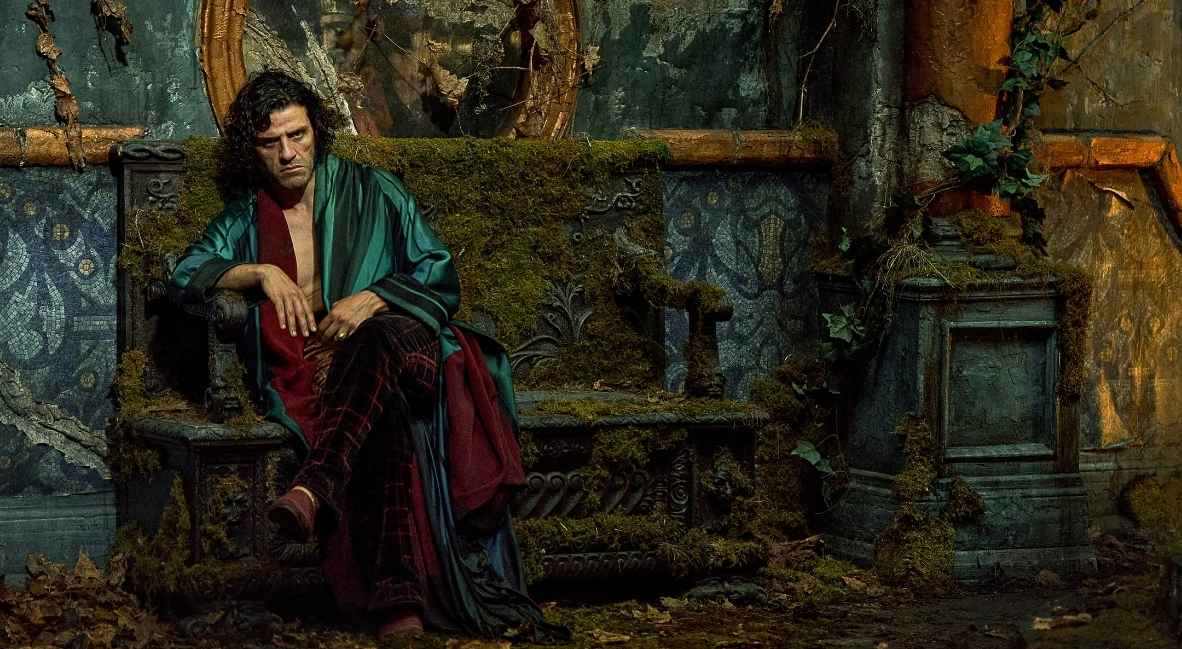
And yet, it might be too focused on looking good, to the point the important thematic elements tend to suffer. For one, the movie eschews all attempts at subtlety. Victor is a man consumed by his own brilliance and ambition, and he doesn’t particularly care for anyone who might hold him back. Even those who genuinely help him along the way are treated with disdain. He’s manipulative, abusive, and a complete narcissist who thinks only of his own desires.
There’s no ifs, ands, or buts about the fact Victor is the “real monster” in the story. This isn’t necessarily a bad approach to telling the story, but it makes it pretty much impossible to believe the man changes to any degree. This is encapsulated quite well in the film’s final act, which sees Victor and the Creature reunited only to bring things back to the opening sequences in maybe 10-15 minutes.
The majority of Frankenstein keeps Victor and the Creature’s stories separate from one another, which makes their later interactions with one another all the more curious. The result is a final confrontation that simply doesn’t work based on everything the film sets up in its dual tales.
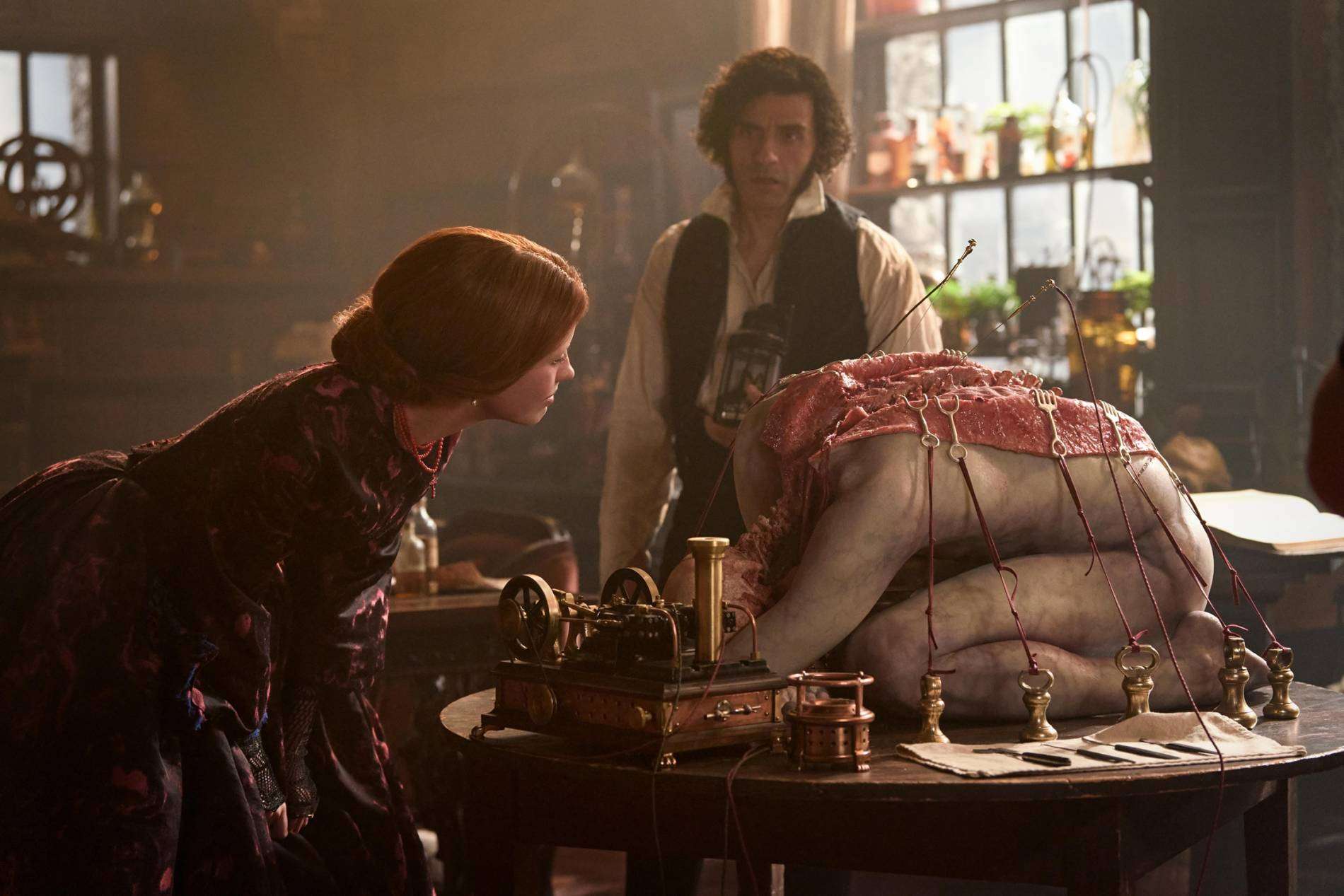
A big part of the Frankenstein story is coming to the understanding they are BOTH wrong. Victor and the Creature come to this understanding in their own ways of course. Ultimately realizing they’re individual pursuits of revenge, regardless of its righteousness, are robbing them of the lives they wish to lead.
For the Creature especially, his “forgiveness” and mourning over Victor’s death isn’t so much about Victor deserving absolution, as it is the Creature’s understanding the need to let go. That in order to be free of his own pain, he has to forgive his creator and no longer allow the suffering of his past to control his future. In this way the Creature finds freedom and, perhaps more importantly, a way to truly live.
We get hints of this in the movie’s final moments, but as we watch the Creature saunter off into the sunrise, smiling, there’s no satisfaction in it. Instead, I felt confused; frustrated. As the film rushes towards its conclusion, we see that Victor and the Creature were actively trying to kill each other just moments before Captain Anderson comes across them.
As such, Victor’s story and seeming acknowledgement of all his wrongdoing rings utterly hollow; little more than a deathbed confession/repentance. More so, the Creature isn’t present to hear the majority of how Victor presents the story, so doesn’t bear witness to hear any of the remorse (though I’d argue there still isn’t much of that) as Victor recounts the tale.
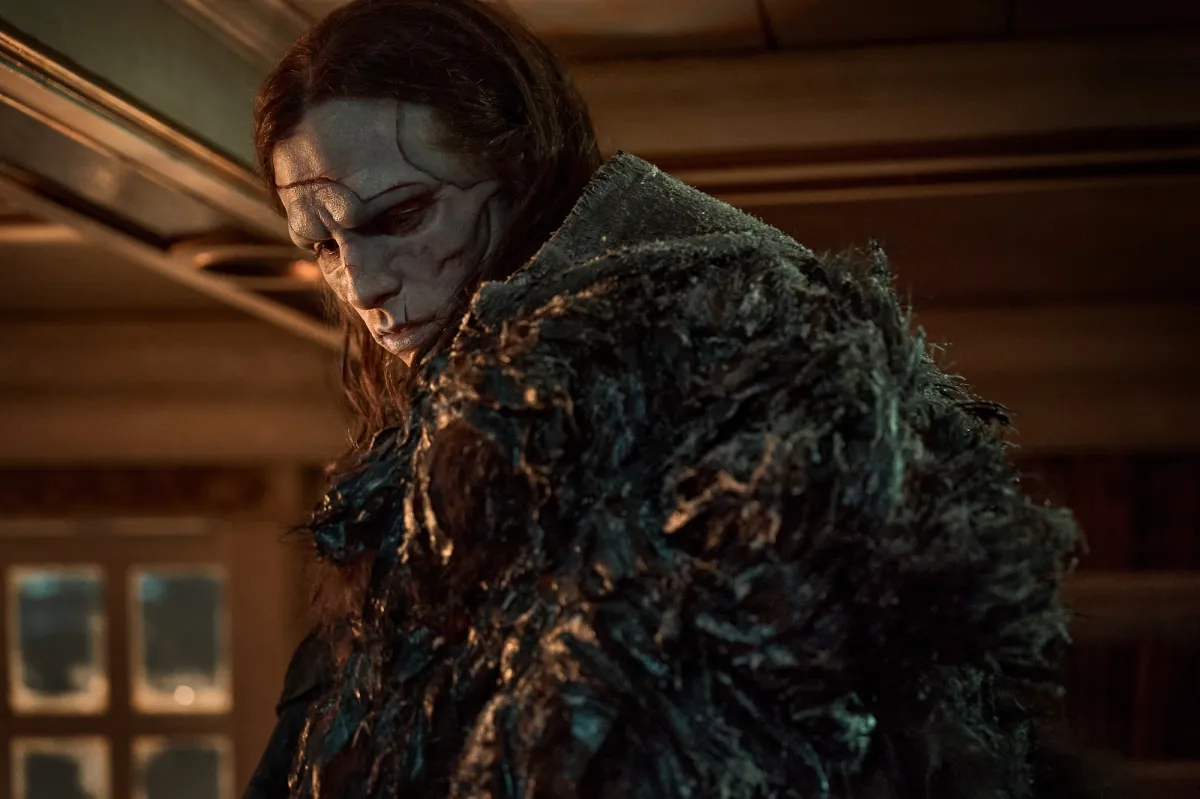
By the time Victor finally apologizes, practically begging the Creature to forgive him, my only thought was, “he doesn’t deserve it.” Not only because his remorse feels like lip service, with no actions to support it, but ultimately even this is an act born of selfishness. A desire to assuage his own conscience rather than any real attempt resolving things with the Creature.
When Victor finally refers to the Creature as his “Son,” it feels more like an attempt to ingratiate himself with his creature. Another kind of manipulation in order to get the forgiveness he most certainly hasn’t earned. In so doing, Victor continues to miss the point of family and that human connection, while perpetuating the shitty lineage passed down from his own father.
These points on their own aren’t necessarily bad, and there’s some interesting aspects there worth delving into. The film isn’t looking to explore those themes, however, instead retaining the more original themes about ambition/hubris and the monstrous nature of humanity. The problem with that, is we never actually see Victor learn these lessons.
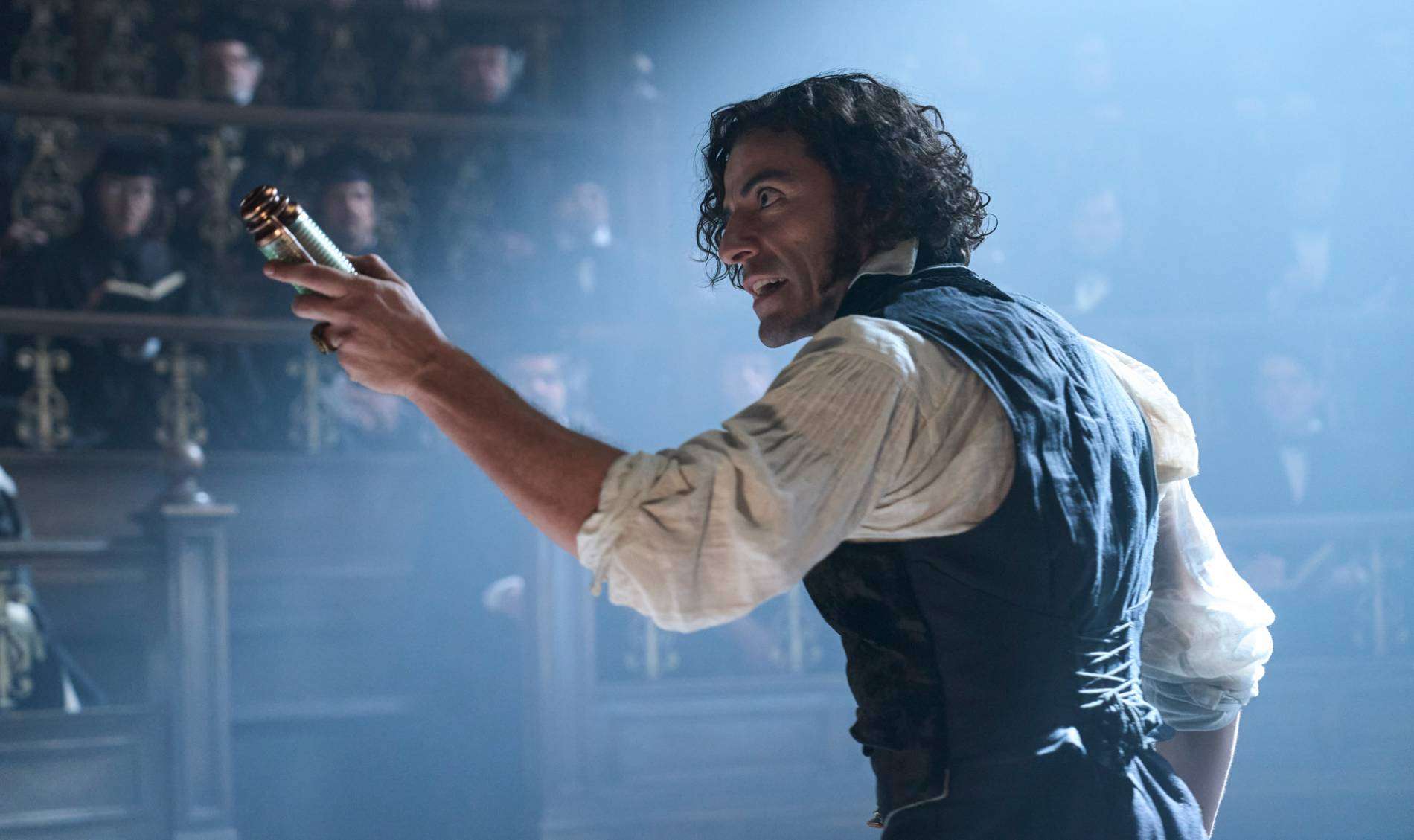
By the time we see him and the Creature reunited in the film, on the eve of his brother’s wedding to Elizabeth (Mia Goth), the film is hurtling toward its end. Even at this point in Victor’s life, we see he hasn’t changed all that much. His attempts to set things right with Elizabeth are selfishly driven; clinging to the only family left to him. When he tells the Creature about spending so much time pulling himself back from “insanity,” it’s obvious Victor feels no remorse for abandoning the Creature—trying to kill it. Going so far as to wonder why the Creature doesn’t “thank [him]” for giving him life.
Clearly, during all the time that’s passed, the only introspection Victor’s engaged in has more to do with letting him get on with his own life than any attempt at atonement. After Elizabeth dies—another death Victor mercilessly blames on the Creature—the only thing he cares about is hunting his creation down. That’s all we see. We get a quick bit with him buying up more ammunition and dynamite, but within a matter of minutes from that fateful night with Elizabeth we see the final confrontation that leads to Captain Anderson discovering the Doctor out on the icy tundra.
This revelation shows Victor was still very much intent on killing the Creature, seeing his need for revenge through, mere hours before recanting the story to the Captain. There’s simply no time—both runtime and within the story—for Victor to see the error of his ways. By this point, Victor’s only demonstration of genuine change near the beginning of the film (him imploring the Captain to leave him to the Creature in order to spare the crewmen), now feels out of character.
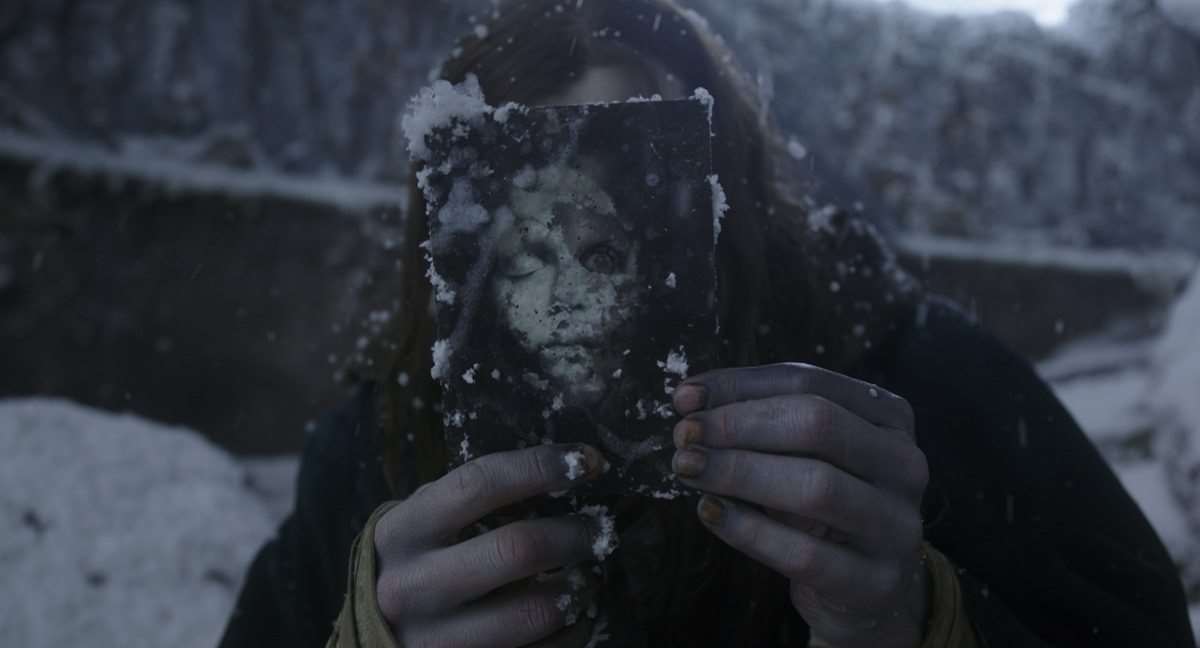
Similarly, there’s no opportunity for the Creature to see any potential change in Victor. He comes in after Victor gives his side of the story, meaning he completely misses the few moments where Victor takes accountability—barely—for certain things. Based on what we see (and the timeline of events), the Creature appears to inexplicably go from a rage-fueled quest for vengeance in which he mercilessly kills anyone in his path, to a paragon of empathy and understanding.
Thematically, Frankenstein ends almost exactly like the novel and subsequent adaptations, but how this movie tells the story means none of it feels earned. The changes made in this adaptation (particularly with Elizabeth) only add to this problem. In the novel, and other adaptations, the people killed by the Creature are close to Victor in different ways. Each death hammers home not only Victor’s failure, but the understanding that he must take responsibility as its creator.
None of that really happens in this film. In fact, the deaths attributed to the Creature are almost all entirely due to self-defense and Victor winds up having more blood on his hands. In itself, this makes for an interesting approach. But again, the film doesn’t actually want to get into those themes. It’s like Del Toro wanted to make it more obvious than ever that Victor is the true villain in the story, but didn’t adjust the story enough to make those themes of forgiveness and sacrifice work.

The result is a film that feels tonally at odds with itself and all the more frustrating because of it. A movie so intent on nailing the tone and gothic vibes, it jumbles the themes that makes Frankenstein‘s story so timeless. Instead of being an exploration of man learning the fallacy in playing God, it’s about an asshole who hopes his deathbed repentance is enough to afford him some measure of absolution for all his misdeeds.
Like Victor, Del Toro stitches Frankenstein together from all the best parts. Gorgeous visuals, stunning production, and excellent performances. But in doing so, he stumbles with those key aspects that give a story real life. It’s a beautiful experiment, but frustratingly hollow when it’s all said and done.