
Star Wars‘ latest animated series gives Maul the spotlight he deserves while offering a engaging new characters and some of the best action in all of the franchise.
Star Wars – Maul: Shadow Lord
Supervising Director: Brad Rau
Developed By: Dave Filoni and Matt Michnovetz
Voice Cast: Sam Witwer, Gideon Adlon, Wagner Moura, Richard Ayoade, Vanessa Marshall, Dennis Haysbert
Release: Premieres April 6th on Disney+
Maul: Shadow Lord is, quite literally, a show I’ve been waiting to watch since 1999. My Maul focused collection is fairly well known—and documented—at this point, so it should come as no surprise that I’ve been anxiously awaiting this show. Having thoroughly enjoyed his initial return in The Clone Wars, then in Star Wars Rebels (which also gave us a fitting ending), the story of what happened to my main man in between those events have long been on my mind.
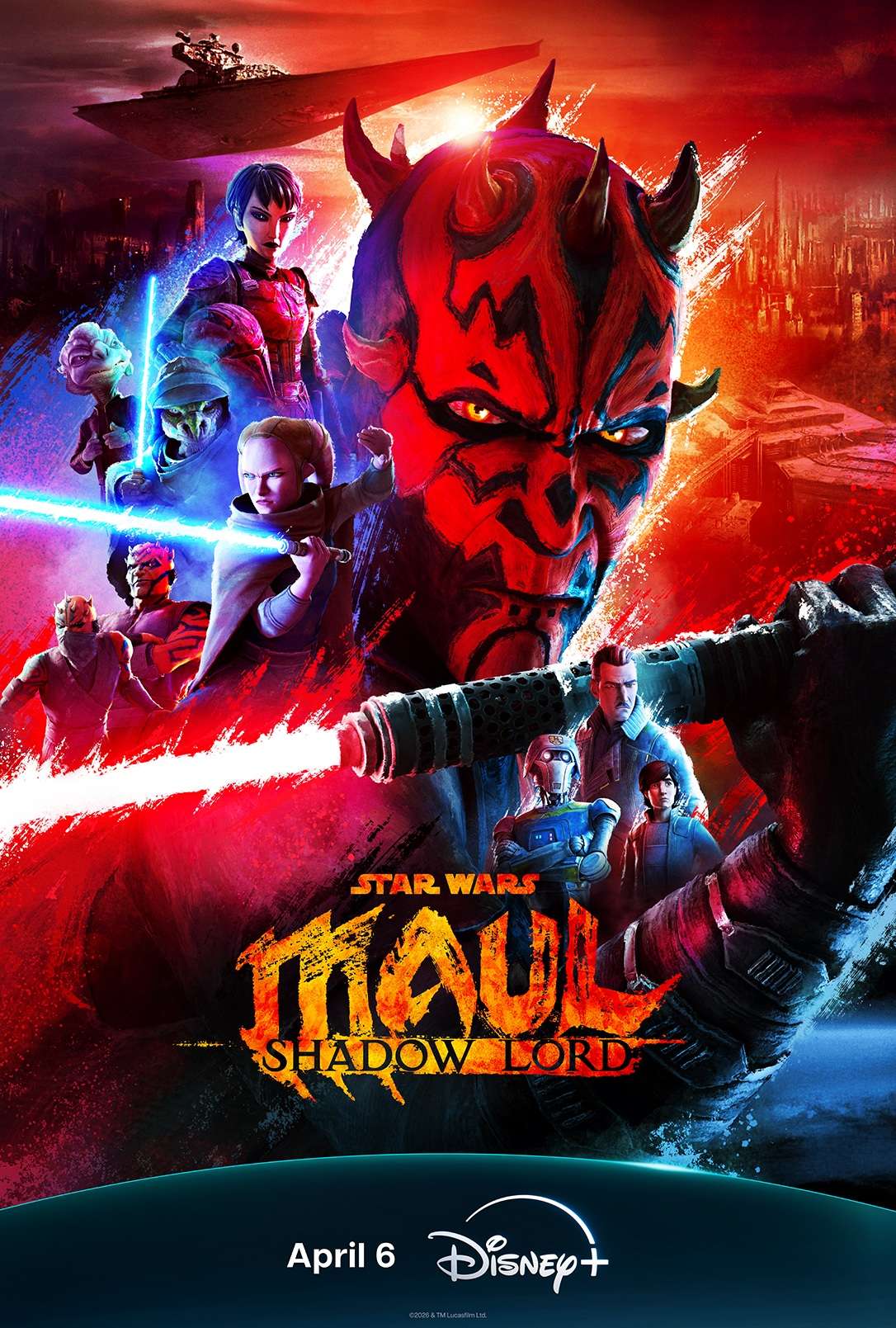
I had the great privilege to check out the first eight episodes of the season and I promise I went into it as objectively as I could. With that in mind, the hype for this show is real and warranted. Truly, it may end up being the best animated series they’ve put out.
Shadow Lord is definitely a different beast from what we’ve seen before, however. This isn’t merely a Clone Wars follow-up, nor does it feel like any of the previous animated shows. It takes some big swings geared for an older crowd (more on this in a bit) while expounding on Maul’s character, and the nature of the Empire, in some impressive ways.
Story Basics
I’m going to keep this relatively quick. I won’t be spoiling anything from the show, so have no fear. As the trailers suggest, the story is centered around Maul as he seeks to reclaim his powerbase following the disastrous events during the Siege of Mandalore, while also getting revenge on those who abandoned him.
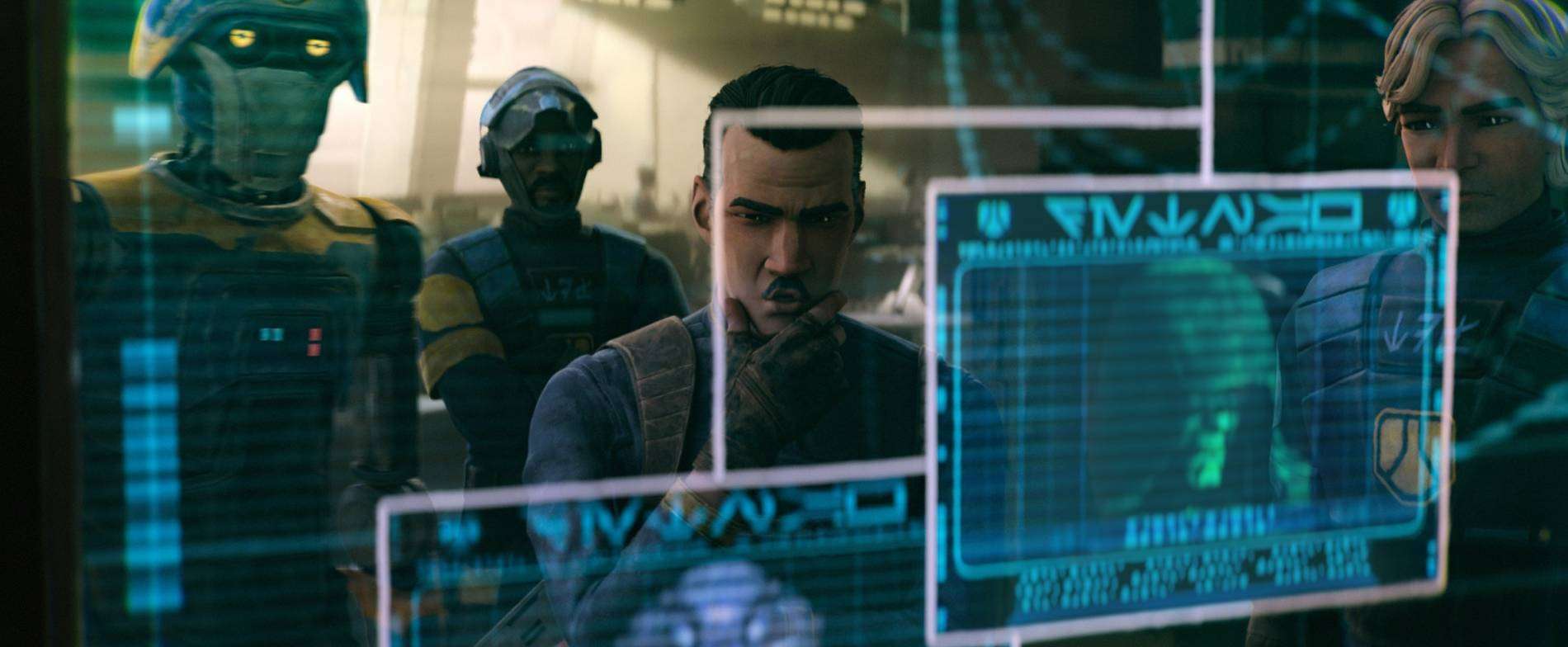
He’s currently holed up on the world of Janix, where he’s tracking former syndicate comrades while he rebuilds his influence. The mob war happening on the streets doesn’t go unnoticed, however. Local law enforcement officer, Captain Lawson, is eager to bring the situation under control; preferably without the help of the Empire.
Meanwhile, Jedi Master Eeko-Dio Daki and his Padawan Devon Izara are also on Janix, hiding out in a place where the Empire’s influence hasn’t festered/taken over. Even as they work to lay low, it becomes clear Maul has set his sights on making Devon his new apprentice. As Maul’s plans for revenge bring about more unrest and destruction across the city, the Empire steps in and the Jedi find themselves forced out of hiding and on the run.
All of these characters intertwine in some fun ways. Honestly, a good chunk of the story plays out like a serious crime drama, with Lawson hunting down clues and leveraging his shadier contacts in order to learn more about Maul and how to stop him. Things shift a bit when the Empire shows up, but it maintains that grittier/underworld tone that feels so distinct from anything we’ve seen before.
Exploring the Darker Side
There’s a lot to love in this story—which I can’t wait to dive deeper into when it’s spoiler time. One of the things that impressed me most is how excellently it tells the story visually. There are great character interactions and dialog beats, but Shadow Lord shines in its quieter moments. Nothing is said, but you can see the characters making important connections, or experiencing
It doesn’t over-explain things. Rather it trusts the audience to connect the dots on certain aspects, which lets the story/characters move forward. So even as it keeps the traditional animated cable-TV runtime (22-ish minutes), each episode feels packed without being rushed.
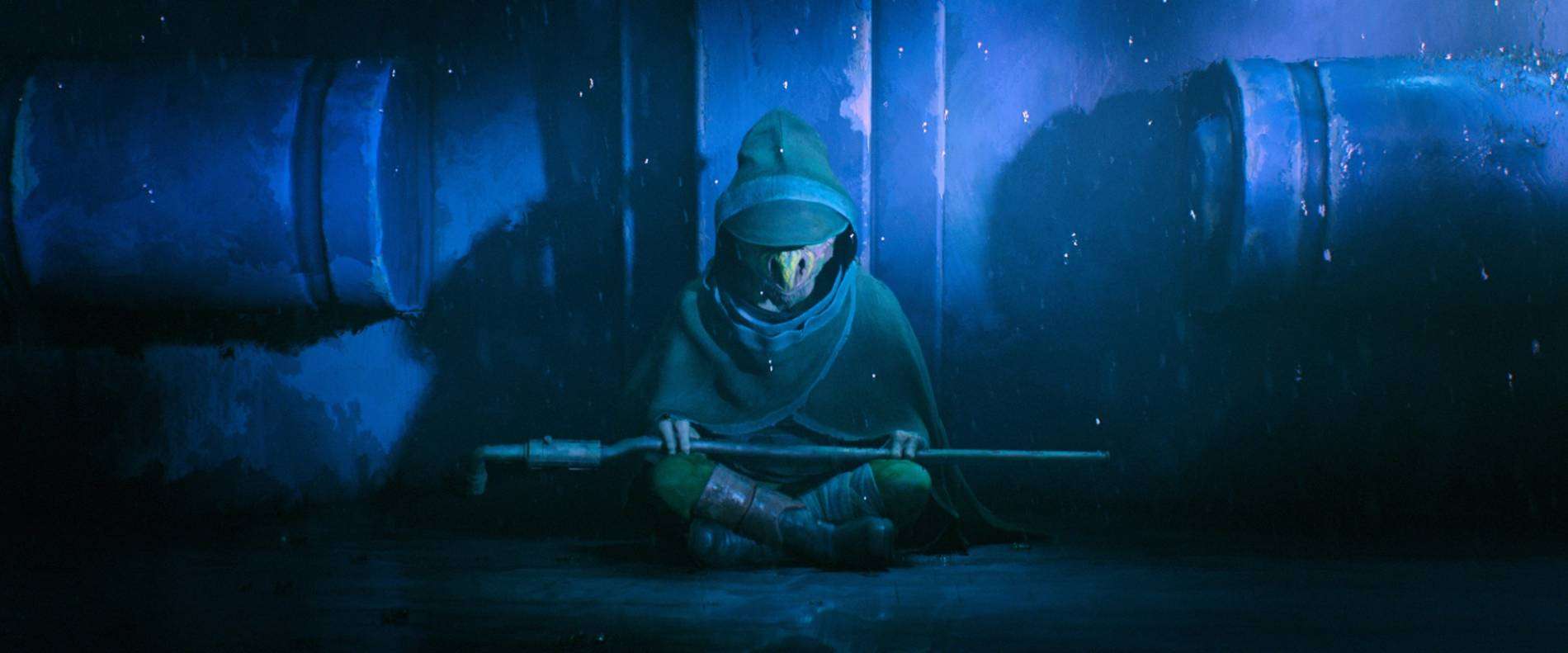
In fact, one of the best things about it is how the show allows these characters to just exist. From Lawson attending his son’s sports game, to Maul meditating through kata, and even Vario (a fun little guy) constantly talking to himself because he’s unable to let silence linger…Shadow Lord makes these character—this new world—feel alive in ways we don’t normally get in animated shows.
The serialized approach to the show helps this as well. Each episode follows on the story from the last; linking together. It’s a big departure from how the previous animated series handled things (aside from certain arcs), but definitely fits Shadow Lord‘s more serious, darker tone.
And yes, it gets way darker than I expected. It very much lives up to, and sometimes pushes, its TV-14 rating. We’re talking torture stuff, scenes that feel pulled out of a horror movie, plus all the questionable morality presented. While it doesn’t get as serious as Andor, it’s certainly heavier than the previous animated shows—barring some of the Visions shorts.
Engaging Characters
While there are a handful of familiar faces, Maul: Shadow Lord mostly incorporates a host of new characters. What’s impressive is how quickly these newcomers manage to endear themselves to the audience. They’re almost immediately engaging, with the show doing a phenomenal job of giving them a sense of history and placement within the galaxy. Even though the show doesn’t dive into the backgrounds of some of these newcomers, they don’t feel random or out of place.
I’m going to highlight just a few of the characters here and why they stood out.
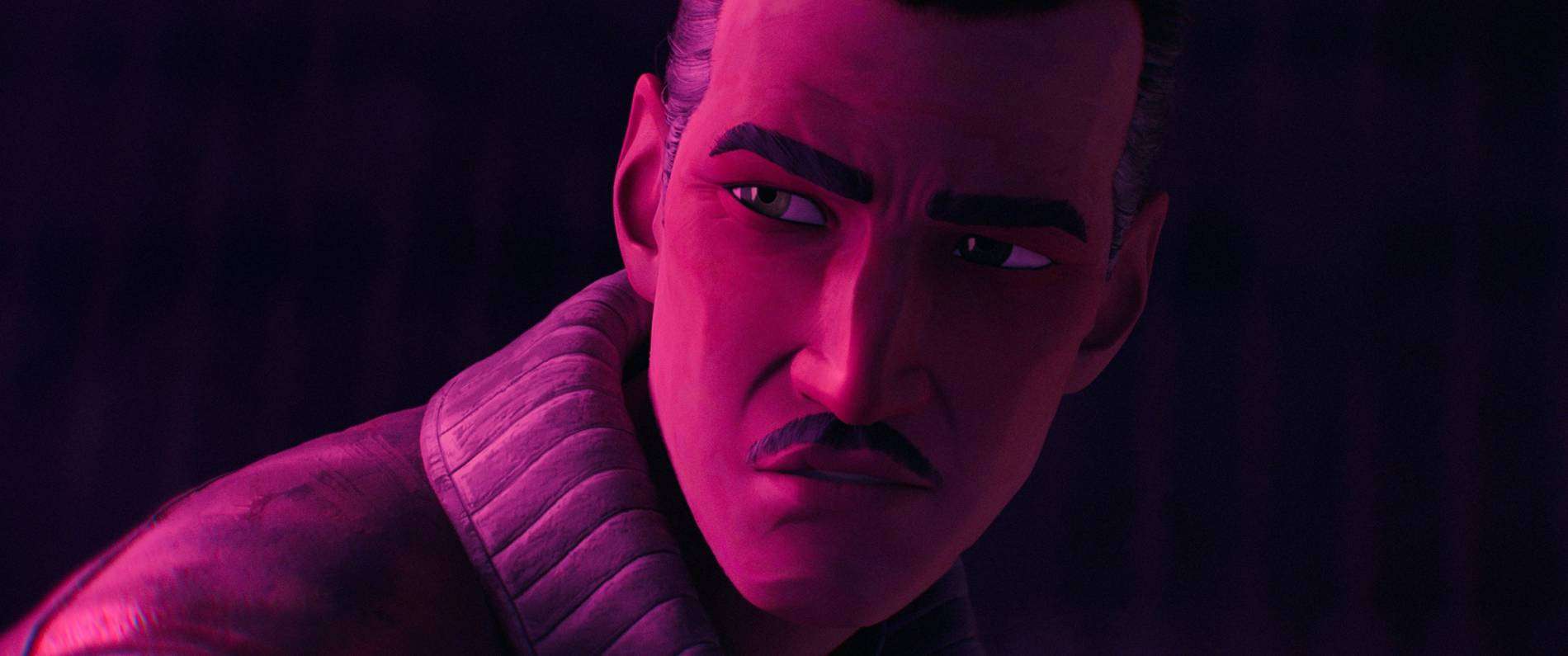
Brander Lawson – Lawson has been fairly prominent in the marketing, and serves as something as a foil to Maul. You can’t really say he’s the “bad guy” in the story, nor would I even classify him as an antagonist. He’s just a man trying to take care of his city as a single dad, up against forces he’s not really equipped to handle.
He quickly became a favorite of mine, partly due to Wagner Moura’s voice work which brings a sense of gravitas and grounding to the role. The interactions he has with his son, his partner Two-Boots (a fun droid), and watching him struggle to balance work and personal life is incredibly relatable. In a series where so much focuses on powerful people and mystical forces, Lawson offers a perspective we can more directly empathize with.
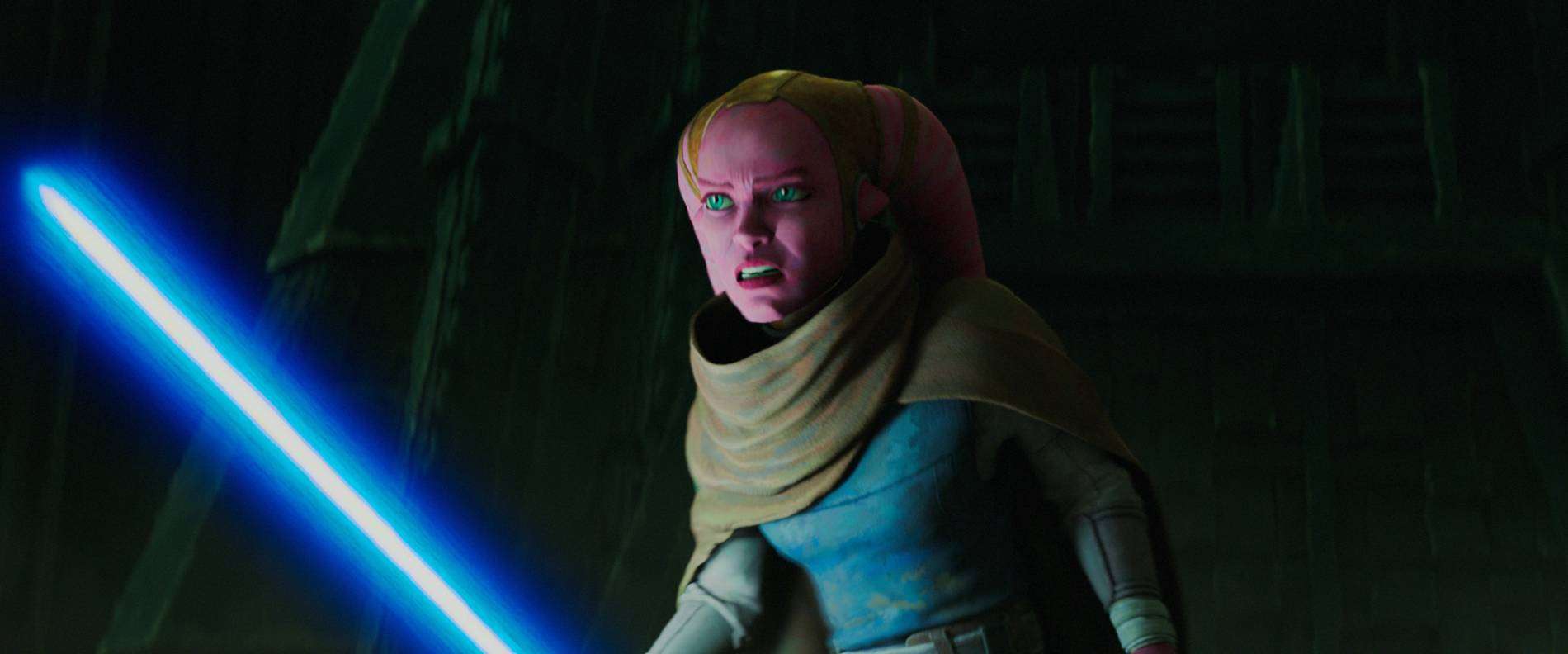
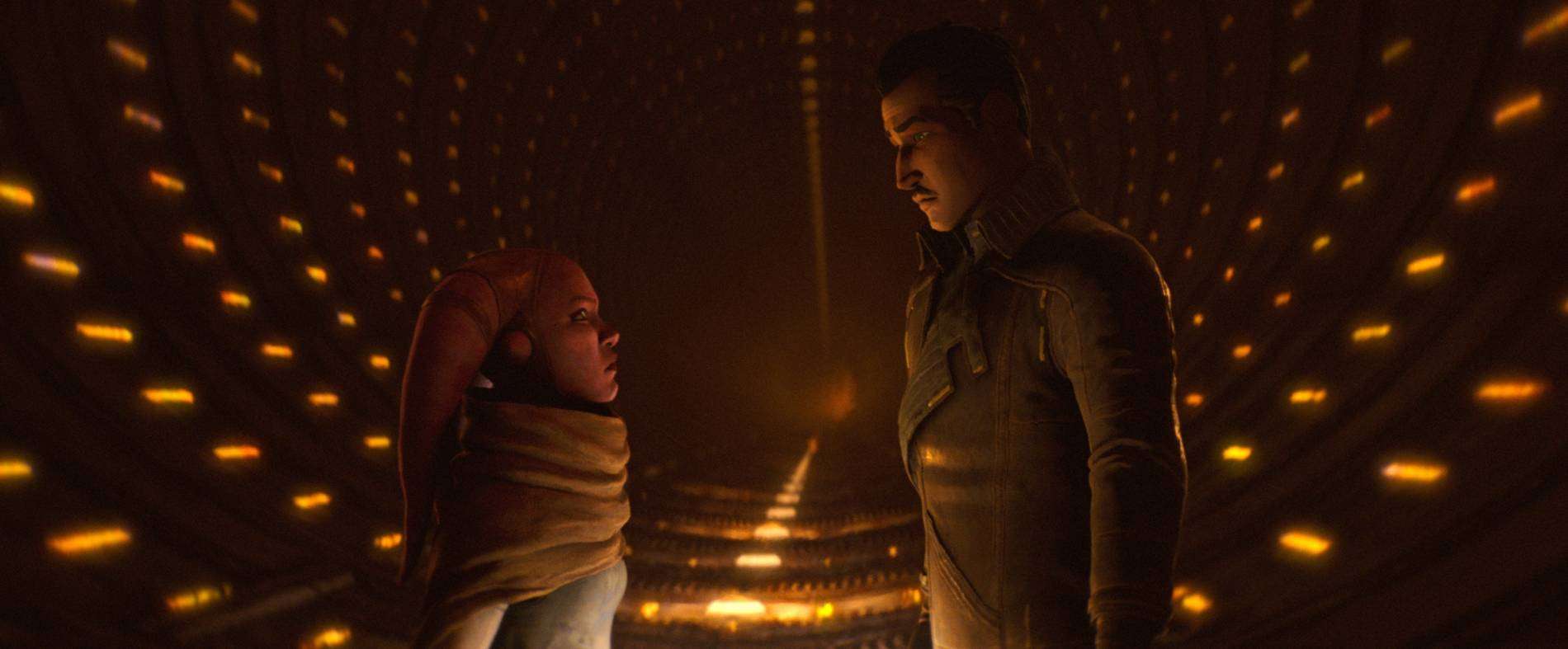
Devon – Devon’s story is an interesting one. As a Padawan survivor of the Jedi purge, she’s forced into a reality she was never prepared for. Everything she’s learned about the Jedi and their purpose has been uprooted. On top of being on the run, she’s also having to deal with the normal issues that come from being a young adult.
She’s pretty damn great, and Gideon Adlon does an excellent job bringing her to life. There’s a lot of depth to this character and seeing her interactions with Maul is a blast. Their dynamic is, understandably, a focal point throughout the series. Maul, through his visions, see her as a potential apprentice. Someone to cultivate. And while Devon is certainly conflicted in her feelings about what she feels she should be doing as a Jedi, she isn’t ready to hear Maul out either.
It’s a very contentious relationship, which makes for some incredible moments between them. You can see how his words—his own twisted outlook on honor/hope—begin to have an affect on her, though she’s not willing to cast aside the values she learned as a Jedi. There’s a lot of great story potential here (I have a theory on some of it that I won’t dive into now) and I can’t wait to see them continue interacting with one another.
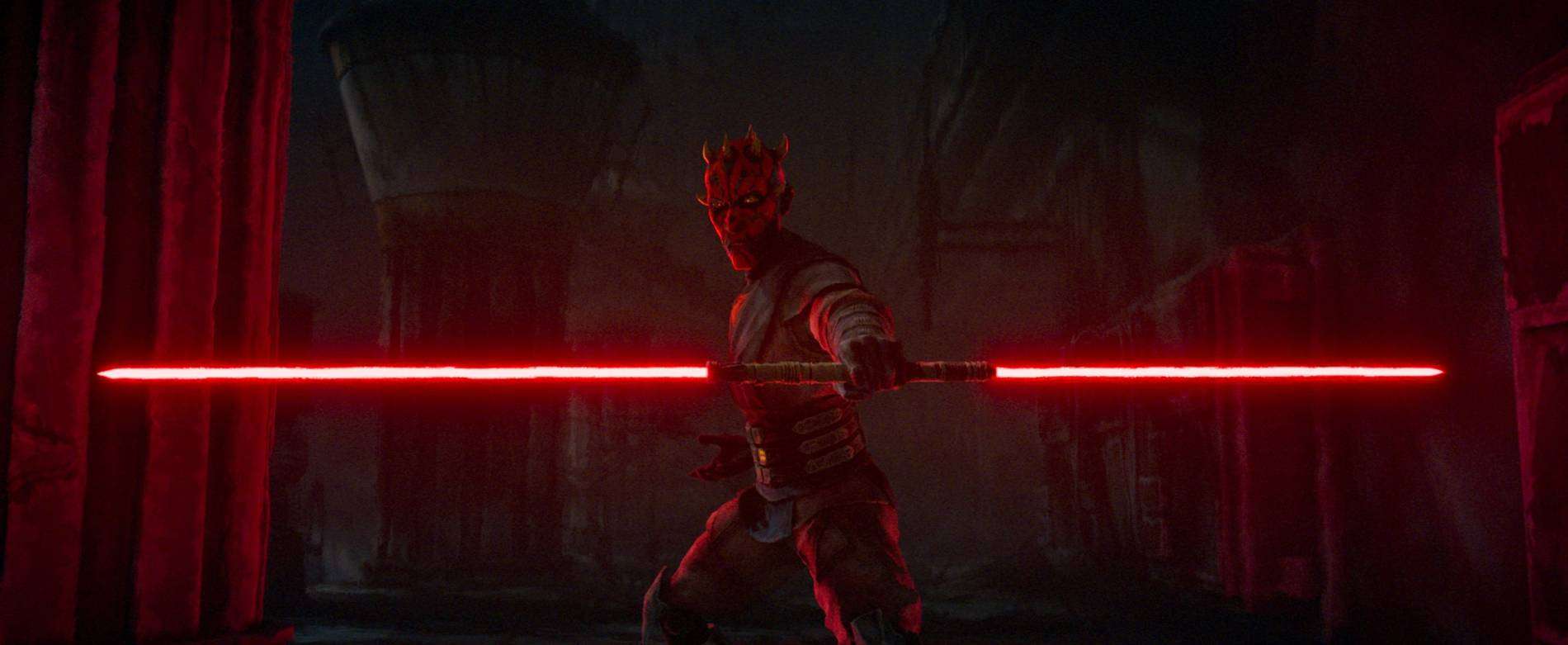
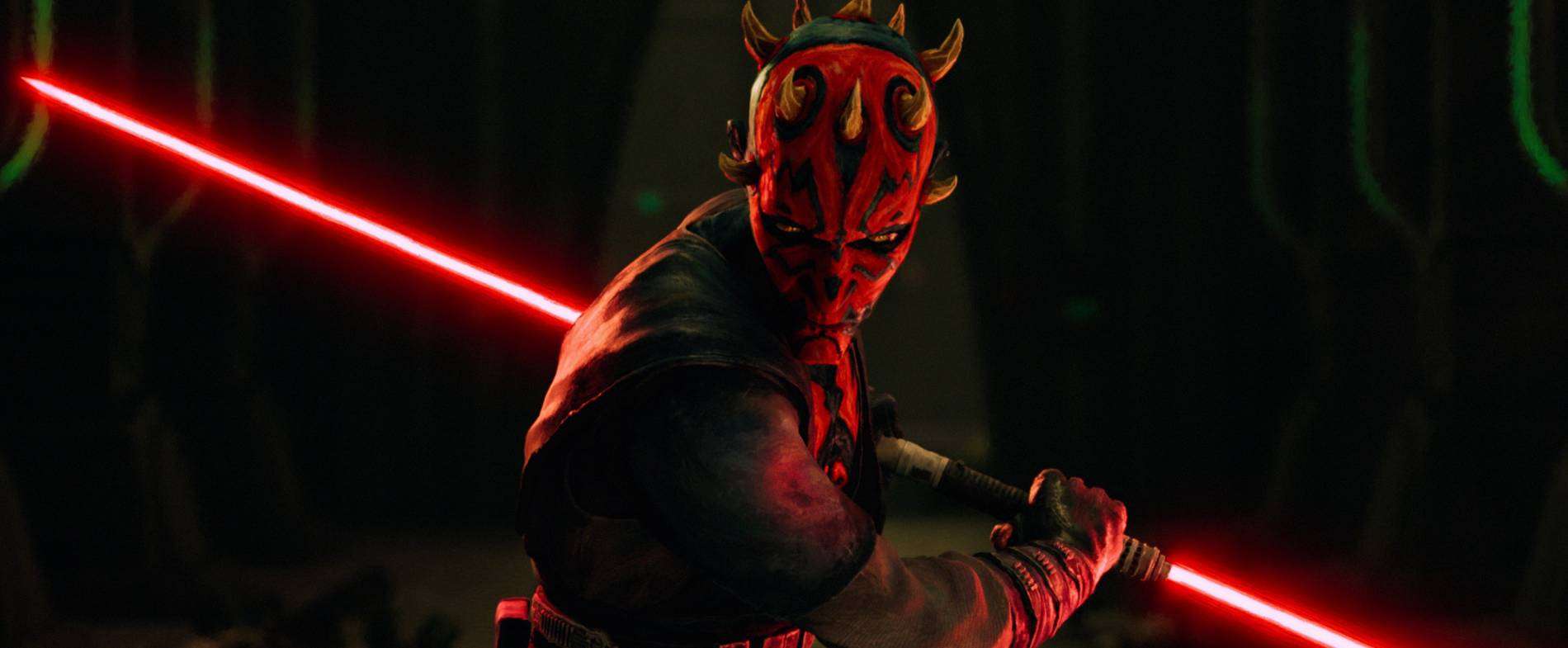
Maul – Speaking of Maul, the show really lets him cut loose as a character while also showing how multifaceted the villain can truly be. Maul’s character journey has been an interesting one. He’s gone from being a straightforward, assassin style one-and-done villain, to something more complicated.
As a die-hard Maul fan, seeing these iterations of the character over the years has been fascinating, but Shadow Lord finds a way to weave them together into something that feels fresh. We get to see Maul being the ultimate badass, taking out grunts with aplomb and style all while exuding a calm, commanding sense of coolness.
These moments are incredibly fun, but the show goes further, giving us glimpses of the intelligence and cunning behind the veneer of rage and martial prowess. One of my favorite scenes in the whole series is during the third episode when he’s having a “heart to heart” with Devon, trying to sway her into becoming his apprentice. It’s a beautiful sequence visually, but also gets to the crux of Maul’s mentality regarding good, evil, and serving a purpose.
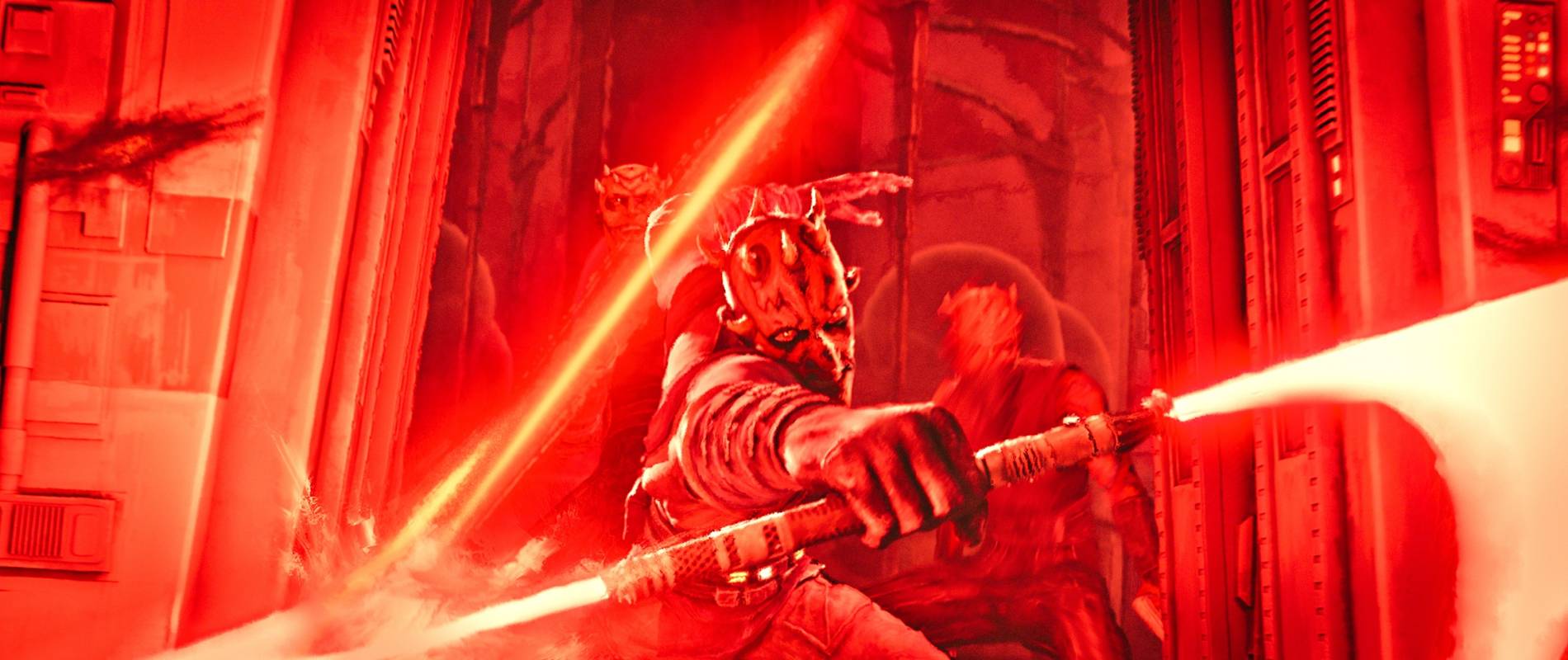
It’s Maul at his most…well, Maul. But the series also allows him to be vulnerable. Yes, he’s still a badass, but he’s not invincible. He has limits and faces real challenges in his fight back to the top. For me, that’s what makes him more interesting as a character in general. No matter how many times he gets knocked down, he finds his way back. Him winning all the time would not only be weird in terms of the story, but antithetical to what makes him engaging.
Trauma sits at the heart of everything that makes Maul tick, and it’s very much explored in this series. We get to see him brought low, forced to confront his past like never before. There’s deeper insight into his psyche the previous shows couldn’t get into. It’s a big part of what makes this particular story more interesting than just “Maul rebuilds his criminal empire.”
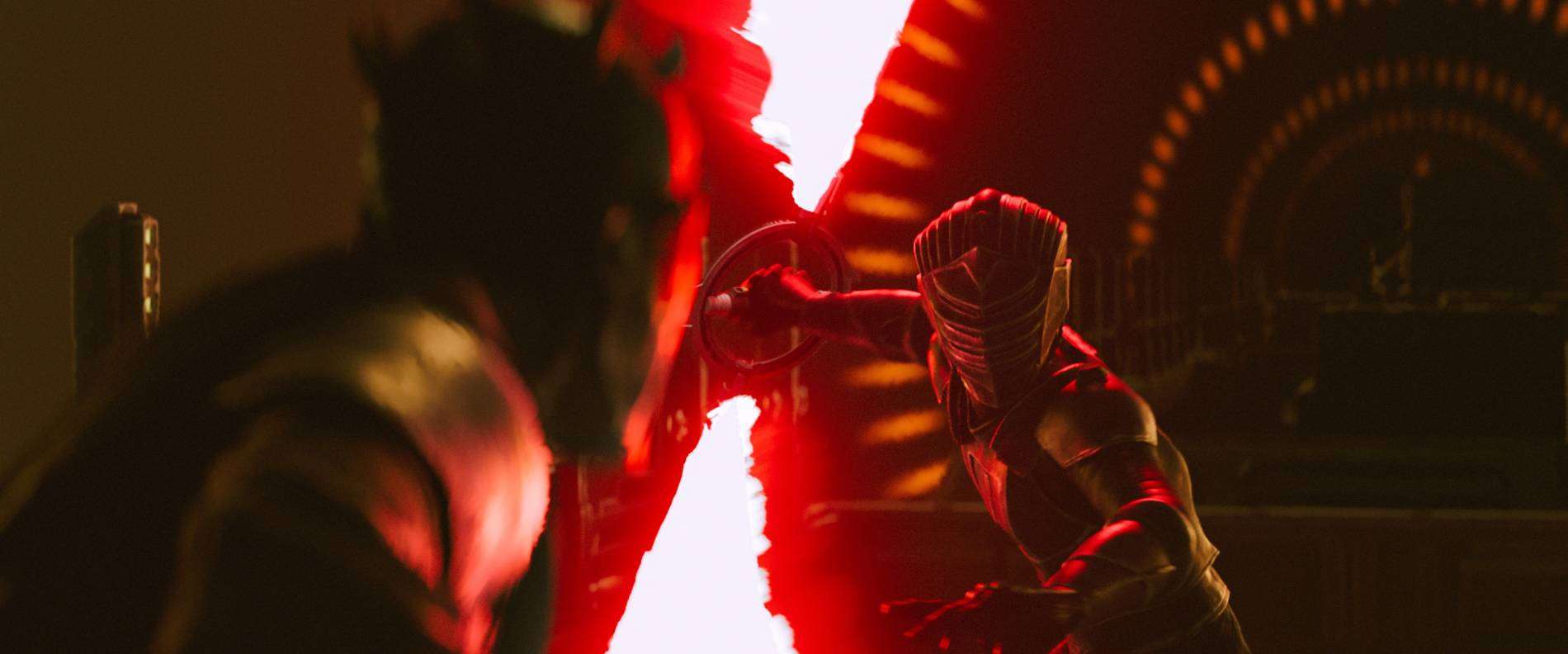
The Inquisitors – I won’t say much about the Inquisitors here, other than I love how the show manages to treat them as genuine threats. They feel terrifying and every time they pop up, you know something bad is about to go down. It’s probably the most menacing they’ve ever been. It ups the tension significantly and gives Maul some worthy antagonists.
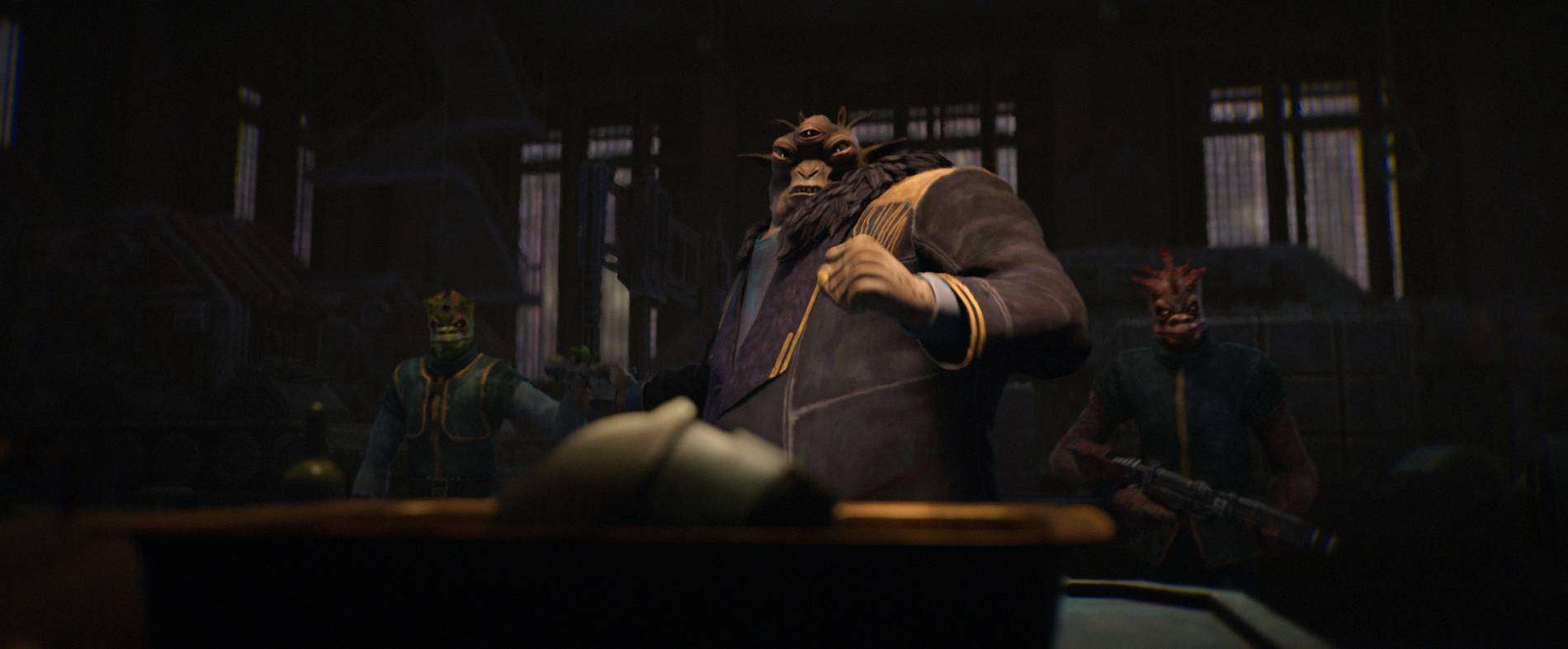
There are so many other great little side characters thrown in the series as well. While some have only minor parts to play, every one manages to feel important and full of life in their own way. They do a great job of fleshing out this new world, and era, beyond populating the background or being fodder for the action scenes.
Insane Action
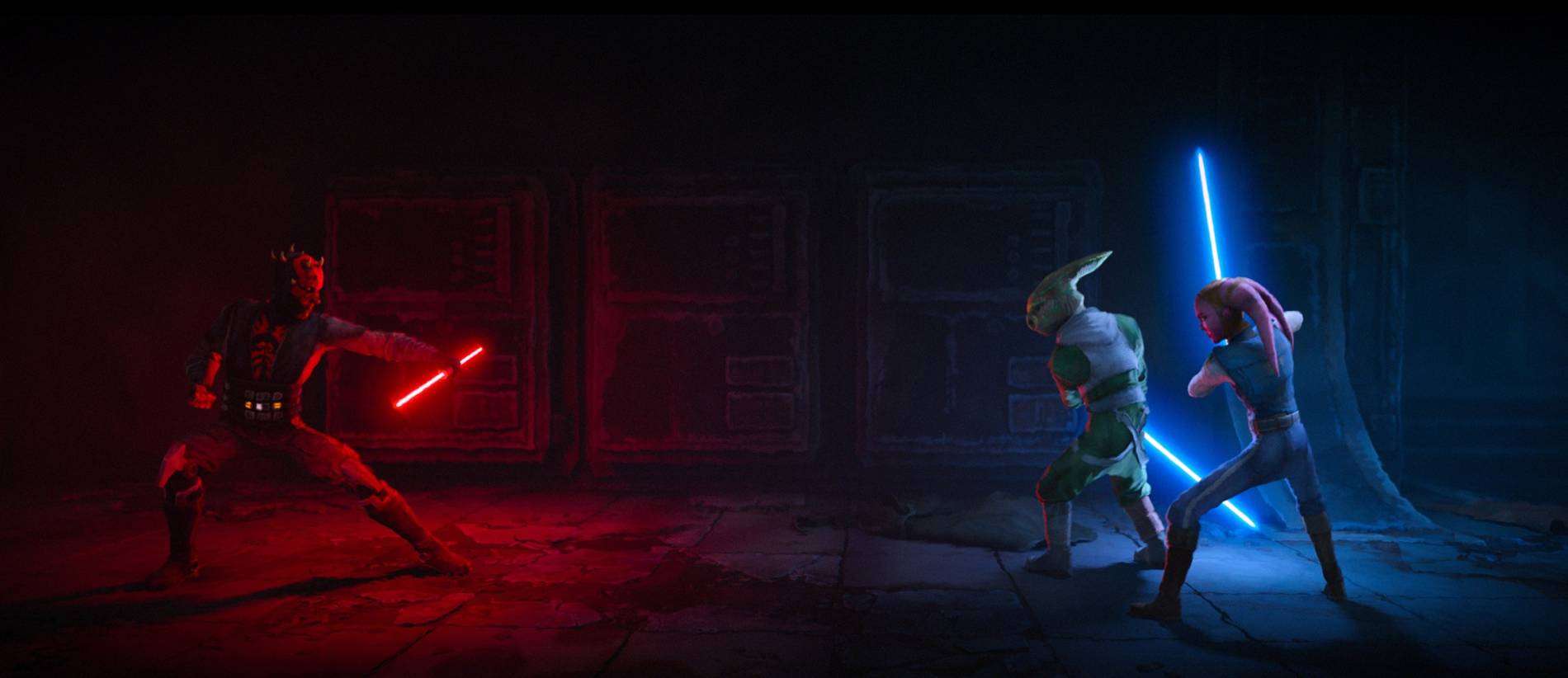
As befits the character who most remember best for the fast-paced action in The Phantom Menace—not to mention the other great fights since his return—Shadow Lord doesn’t skimp on the action. Every episode features something that made me exclaim, “holy shit” at some point. Massive shoot-outs, thrilling speeder chases, and oodles of Lightsaber battles, all of it is absolutely stunning.
Without hyperbole, Shadow Lord has some of the most impressive action sequences in the whole franchise. Not just the animated stuff, which can be impressive enough, but ALL of Star Wars. It goes a long way towards helping the slower burn aspect of the story not feel stagnant.
Beyond dazzling the eyes and getting your heart racing, the show does a fantastic job of tying every action piece into the story and character beats. There are real emotion/stakes behind them, to the point where even characters we don’t know (or remained mostly in the background) getting hurt made me wince.
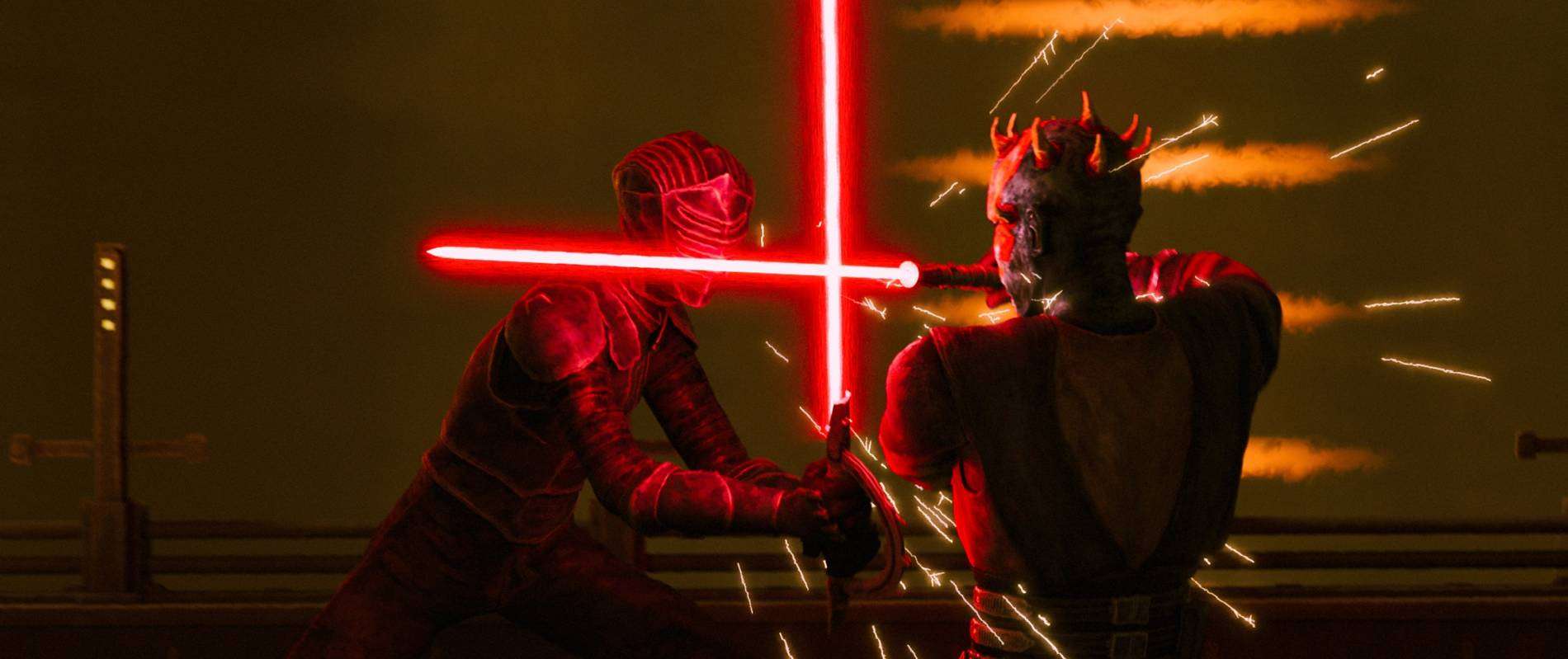
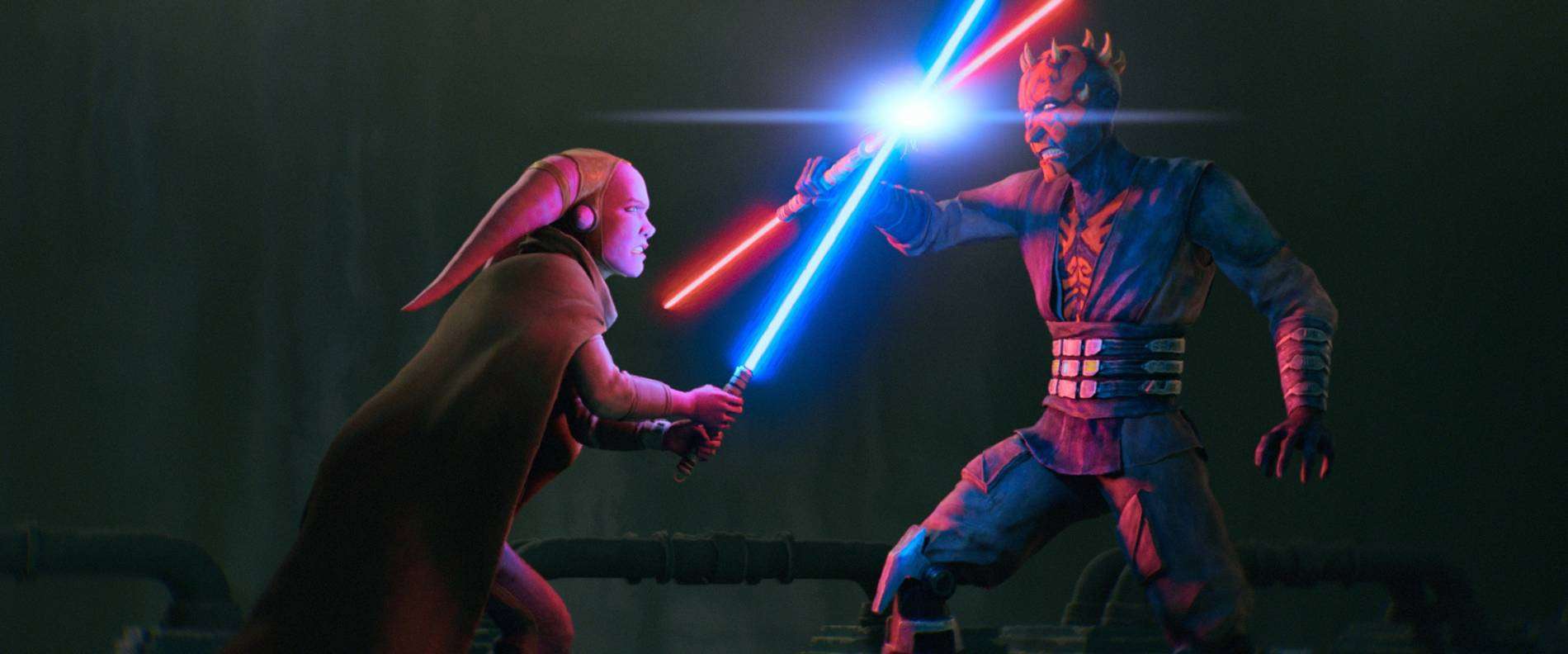
Anything I write here about the Lightsaber battles won’t do them justice. They’re simply on another level and each successive one somehow manages to be better than the last. It’s not just about the choreography either—though the movements are sleek, dynamic, and take full advantage of the medium—but how the animators frame pieces of the action.
The animation also feels weightier, if that makes sense. They aren’t floaty, like some of the other fights have been in the past. Even when things get flashy, it feels like every strike has oomph behind it.
More importantly, every fight scene makes dynamic use of the spaces they take place in. This bit is important, as it ensures that even “basic” encounters more tense and engaging. For example, there’s a battle that kicks off in what’s essentially a small apartment. The limited space forces both combatants to fight differently and creates a heightened level of tension that remains even as the fight moves on.
Every single Lightsaber fight feels unique thanks to touches like this throughout the season. The result are action sequences that I can’t wait to revisit time and time again.
A Visual Feast
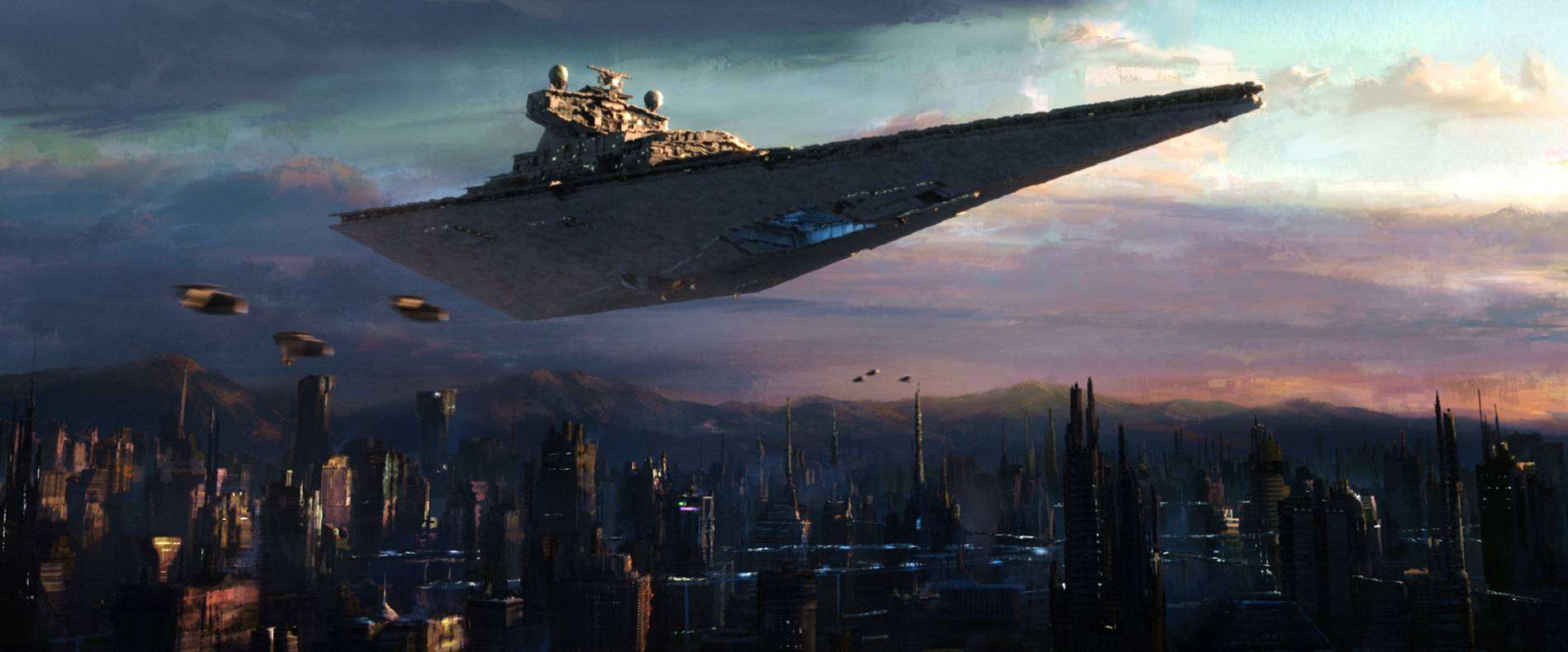
Bringing the action, story, and character work together is Shadow Lord‘s insanely gorgeous look. The sleek new art style has been on display pretty well in the trailers so far, but even those don’t capture how stunning this show ends up being. The blend of oil painting style with the more familiar Clone Wars style—some hints of Rebels as well—ensure every single frame manages to dazzle. Even eight episodes into the show, well beyond the point where one tends to grow accustomed to it all, there are moments that took my breath away.
About the only downside of this, is that much of the story operates in the darker/seedier parts of Janix. The city itself, something analogous to Coruscant (though not the same scale) is bright and colorful. Those times where it’s on full display, or even poking out in the background, are particular highlights for this art style and I wish there were a bit more of them. A minor grievance to be sure, especially as even those darker sequences manage to do some fun things.
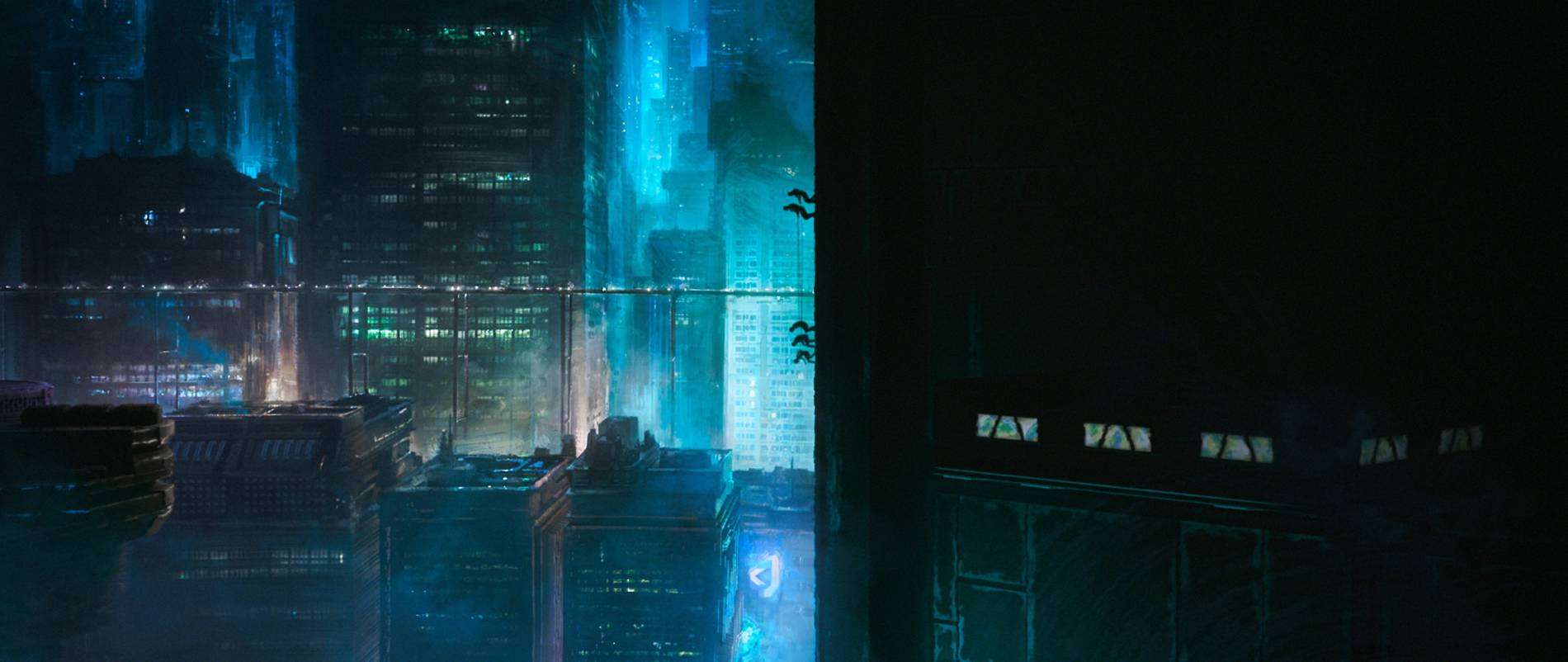
More than just the overall art direction, however, the animation in general has been given a serious upgrade. Everything from walking around, minute facial expressions, and even simple gestures used when characters talk are finely crafted. There’s a level of detail here that goes beyond anything we’ve seen in Star Wars animation before (which I thought peaked with Bad Batch), while rivaling most other cartoons as well.
More than adding a layer of depth/realism to actions, this allows the characters the chance to simply…act. Subtle glances, minute quirks of their brows or lips help sell key character moments without needing any dialog to go with it. Obviously this isn’t anything new, but the level of detail means those expressions aren’t exaggerated or come off over the top.
Another thing that helps add to the overall production quality, is just how cinematic the entire thing feels. The shot composition, how it chooses the perspectives to follow, the way it conveys so much information visually, and—of course—the musical cues makes every episode feel more on par with a big screen adventure.
You know how many of us thought the last four episodes of The Clone Wars‘ final season (the ‘Siege of Mandalore’) felt like it was designed to be a movie? This is similar, but somehow looks even more impressive and spread across an entire season.
Minor Quibbles
All of this is to say, I loved Maul: Shadow Lord. I wasn’t sure what to expect from this story. To be honest, I didn’t really care as I was just excited to get a Maul show. And yet, it manages to exceed all expectations set by Lucasfilm’s previous animated endeavors. There’s no denying my nearly life-long love of Maul could be coloring my impressions, but this show brings the goods. That said, there are some elements I admit might not work for everyone.
Namely, it’s more serialized nature—which is a big plus for me—gives the show’s story a slower burn. Especially as it seemingly shifts midway through from a cop/crime drama to being on run from the Empire. It feels like the story being initially setup is turned about. It didn’t bug me, but I can see how that would throw some viewers.
About the only thing that really bugged me is Maul’s new spy-bot droid. It just feels out of place. It offers the bulk of the show’s comedic relief (along with Two-Boots), but the problem is he feels too specifically designed for it. Almost like the developers saw the show was getting too dark/serious and they needed a character to bring things down.
It’s not necessarily bad, and there are some solid moments with it, but some of it’s humorous beats felt forced rather than natural. It’s not prominent enough of a character to be an issue, and I suspect it will garner many fans/defenders, but something I noticed.
Final Thoughts
As I mentioned, Maul: Shadow Lord is very different from what we’ve seen out of Star Wars animation so far. I hesitate to say this, and debated on including it in my review at all—hence why I’m putting this at the end—but it feels like a very “grown up” cartoon. This isn’t meant to diminish other cartoon shows. I hate the term “for kids,” as there are plenty animated series designed for kids that are amazing works on their own (including Star Wars).
The comparison that kept coming to mind were some of Genndy Tartakovsky’s stuff, specifically Primal. Not necessarily because of the violence (Maul is definitely NOT on the same gory level as Primal), but in terms of how the story plays out. How it trusts the audience to keep up with subtle cues, conveys important information without any dialogue, and the emotional gravitas it brings to the fore.
I don’t know if it’s the more cinematic approach to the shots/production, the more detailed animation, amped up action, the smart scripts and emotional core, or a combination of it all. Regardless, Shadow Lord feels like an “adult” show; something more in line—tonally—with the live-action shows/movies than anything else.
Maul: Shadow Lord is going to end up among the best Star Wars series we’ve ever gotten. It’s a bold statement, especially given I haven’t seen the final two episodes of this season (with another season on the way), but it’s already sitting as my favorite animation hands-down. Even rivaling my love of Visions. Don’t skip on this series.
Maul: Shadow Lord premiers exclusively on Disney+ with two episodes on April 6th, 2026. Two new episodes with debut every following Monday until May 4th.