
San Diego Comic Con came with confirmation of God of War: Laufey‘s release date on 16th February 2027, along with news of another Kratos-centric game that will follow directly on from the spin-off. Which leaves fans with the question: where are we headed next?
What new magics and mythologies will we see adapted, and what new lands could Kratos venture to? I’ve tried to piece together things hinted at in the games, details revealed in Laufey’s footage and my own personal theories on the subject to speculate where Santa Monica’s classic gaming IP could be going.
The Mythologies
God of War: Laufey is introducing us to the Everywhen, “afterlife of the gods” and “where all magic comes from and returns to”. With this, we’re seeing a lot more mythologies than before, so let’s dive into them.
Egyptian
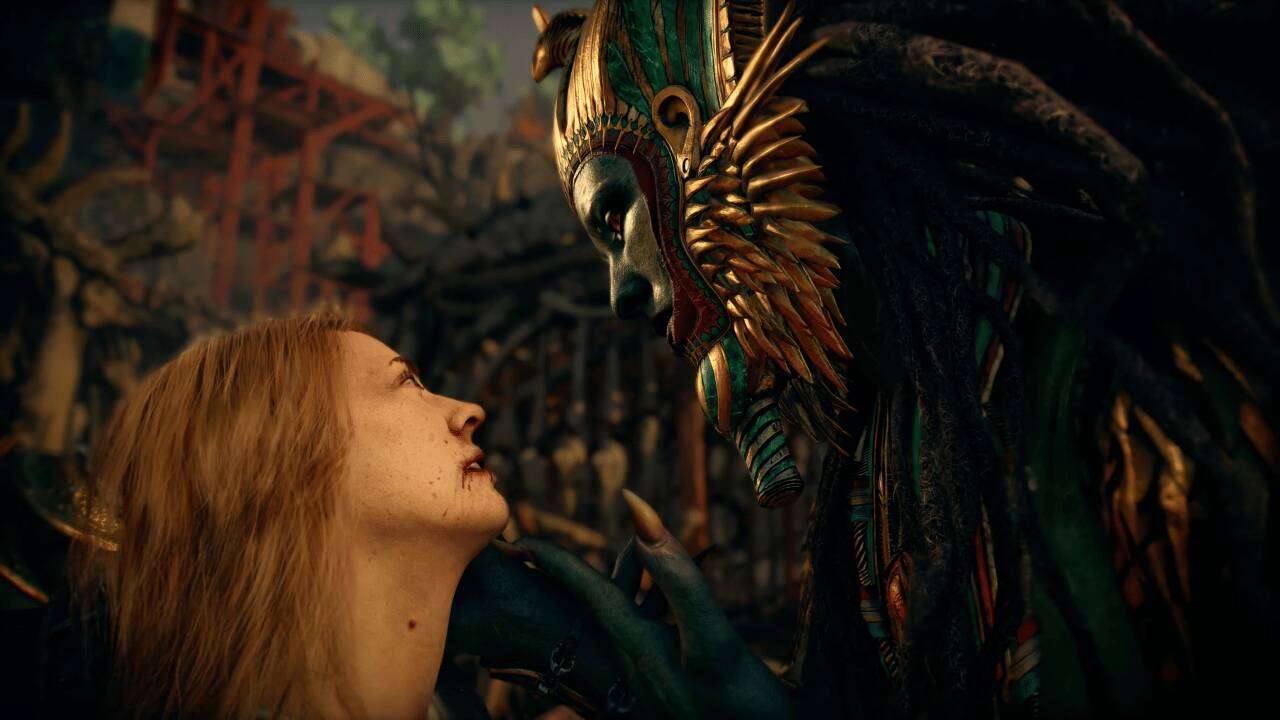
Firstly, the new villain for Laufey seems to be Sekhmet, the Egyptian goddess of war, daughter of Ra, the god of the Sun. Sekhmet literally translates to “she who is powerful”, and given her control over our secondary antagonist, it’s coming across.
The Egyptian pantheon’s adaptation in the franchise has been a long time coming; rumours have circulated for years about a game adapting the mythology. The Norse games were nearly set in the world of Ancient Egyptian gods in early development, and now we’re finally seeing it realised in God of War: Laufey.
Tibetan
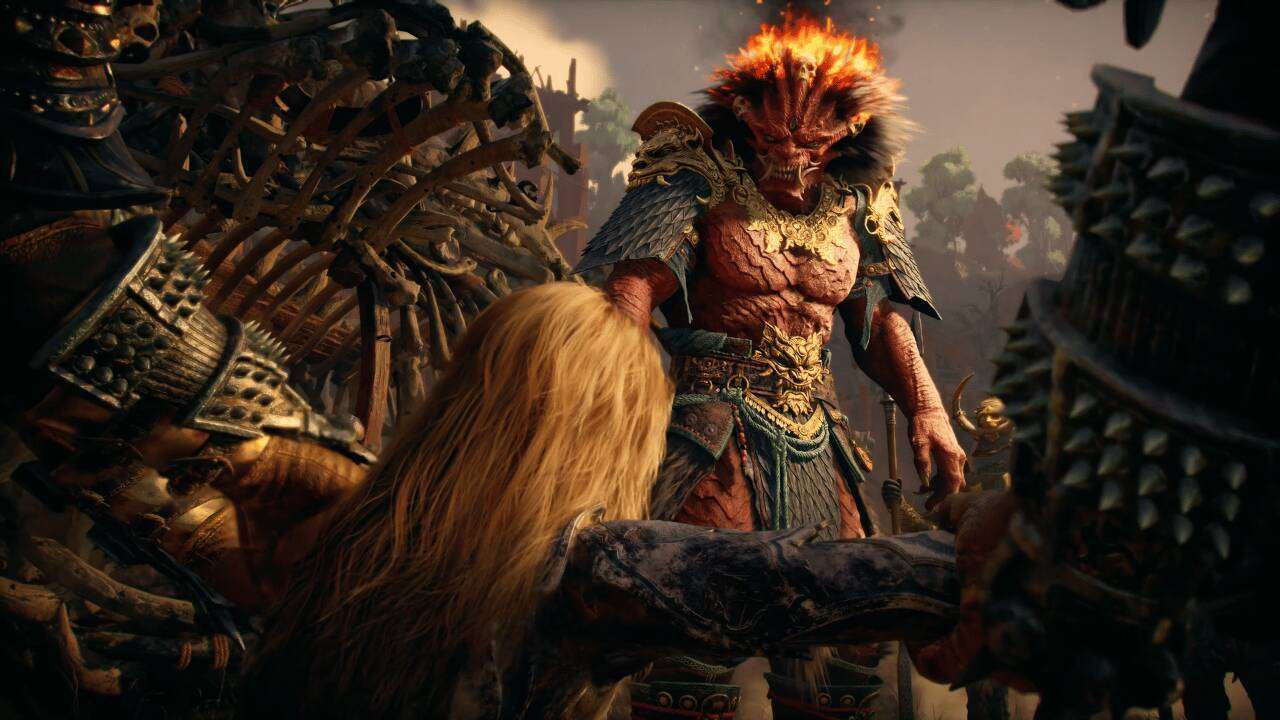
Begtse, or “Begtse the Great Coat of Mail”, is a Dharmapala and the lord of war in Tibetan Buddhism, originally a pre-Buddhist war god of the Mongols. He seems to serve as the game’s secondary antagonist and, rather than the calm, calculated nature of Sekhmet, is the more brutal, violent of the duo.
Japanese
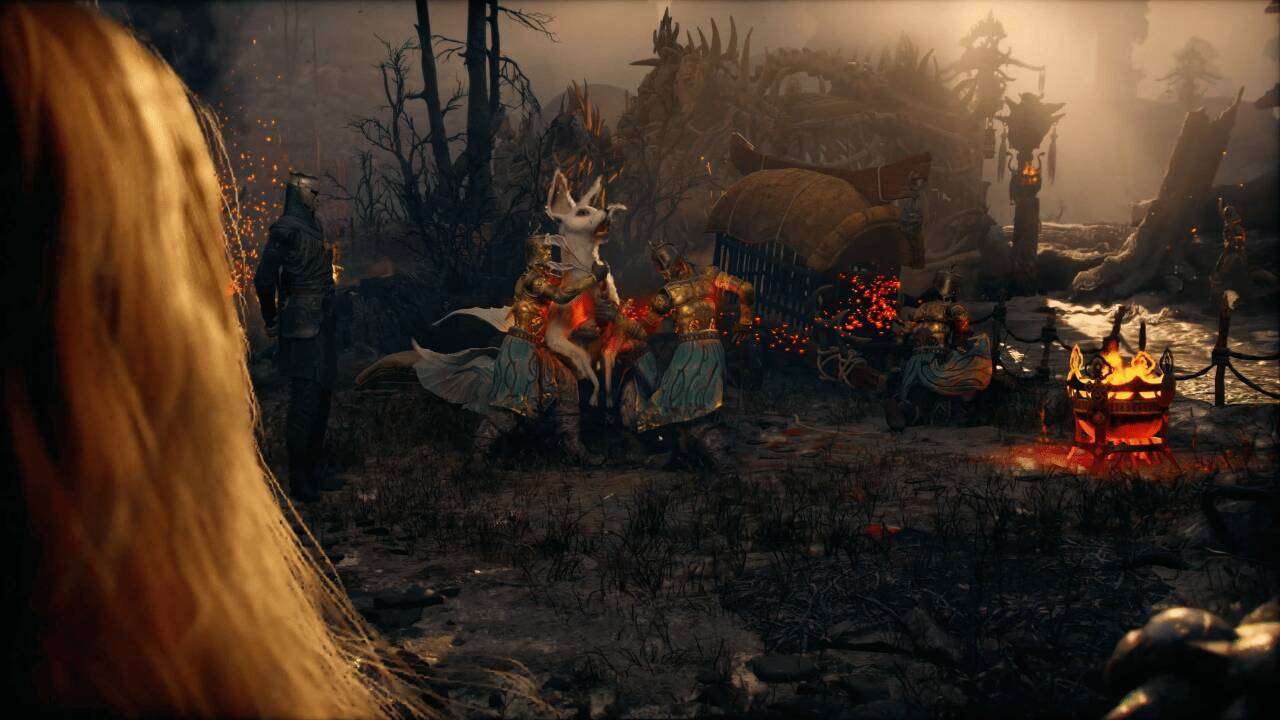
The Laufey footage also featured a multi-tailed white fox being apprehended by Sekhmet and Begste’s forces. This imagery typically lines up with the Kitsune of Japanese folklore, but other myths around mystical foxes can also be found in Korea (Gumiho) and China (Huli Jing).
Arthurian/Celtic
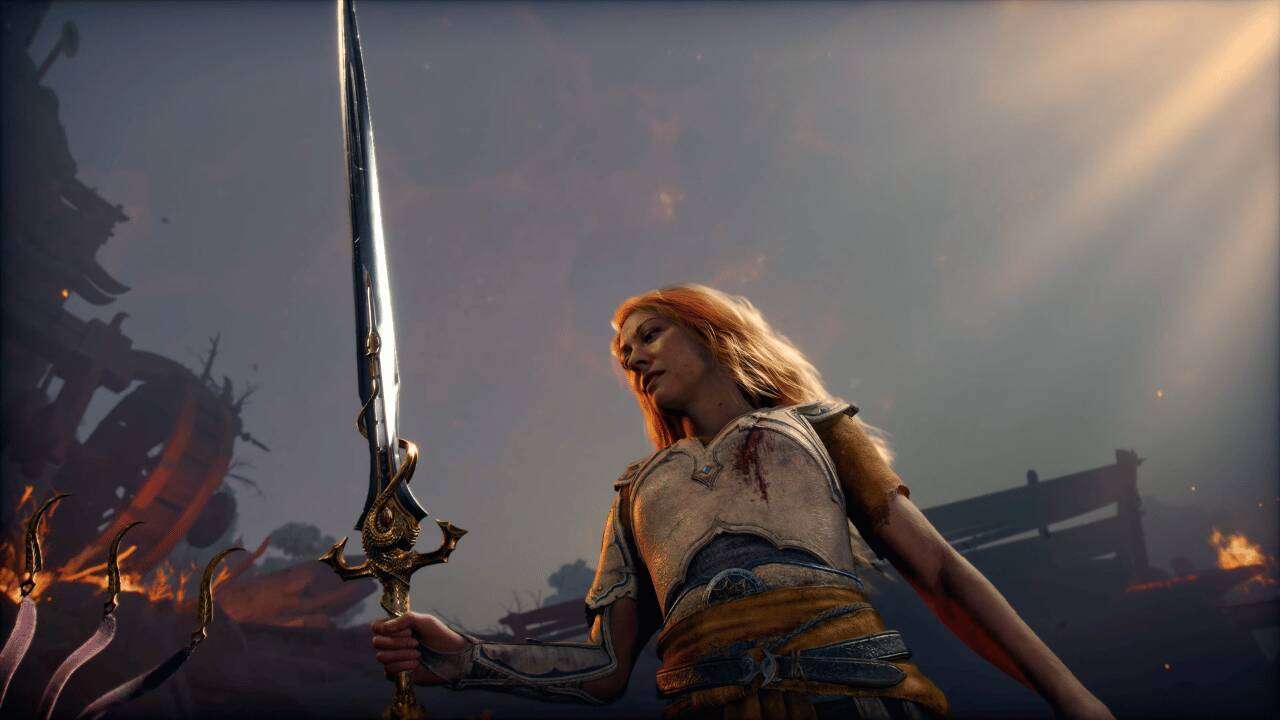
While not confirmed yet, many have speculated that the sword Laufey wields attached to the ribbons, Rue, may be the legendary sword Excalibur from Arthurian legend.
Arthurian legend has been one of the more prominent hints in recent God of War games, as Mimir clearly hails from Celtic lore and has made multiple hints to the stories set in ancient/medieval Britain.
Dungeons and Dragons?
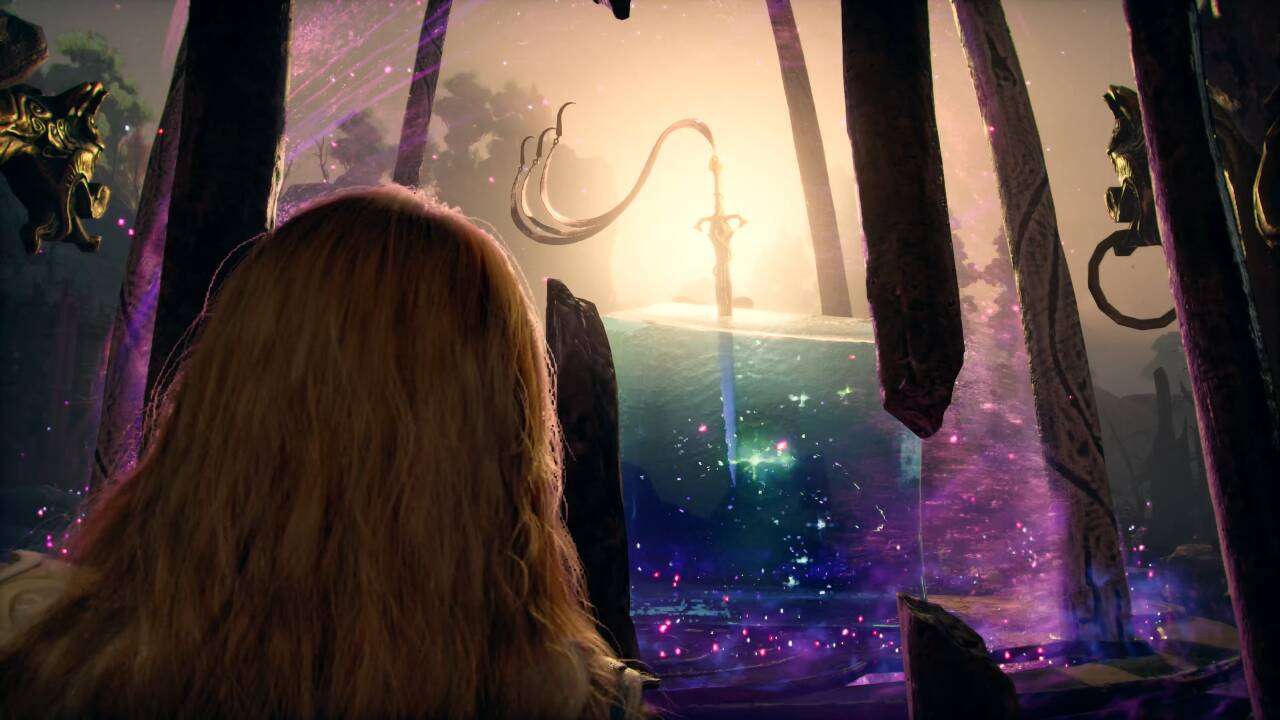
One of our new supporting characters is Phranque, a gelatinous sentient cube played by Jack Quaid. Fantasy fans in the tabletop genre might recognise this imagery as reminiscent of one DnD‘s iconic creatures. Granted, they don’t usually speak, but the imagery is unmistakably connected to the IP, and it suggests the franchise branching out into high fantasy beyond historical mythologies.
Return of Greek?
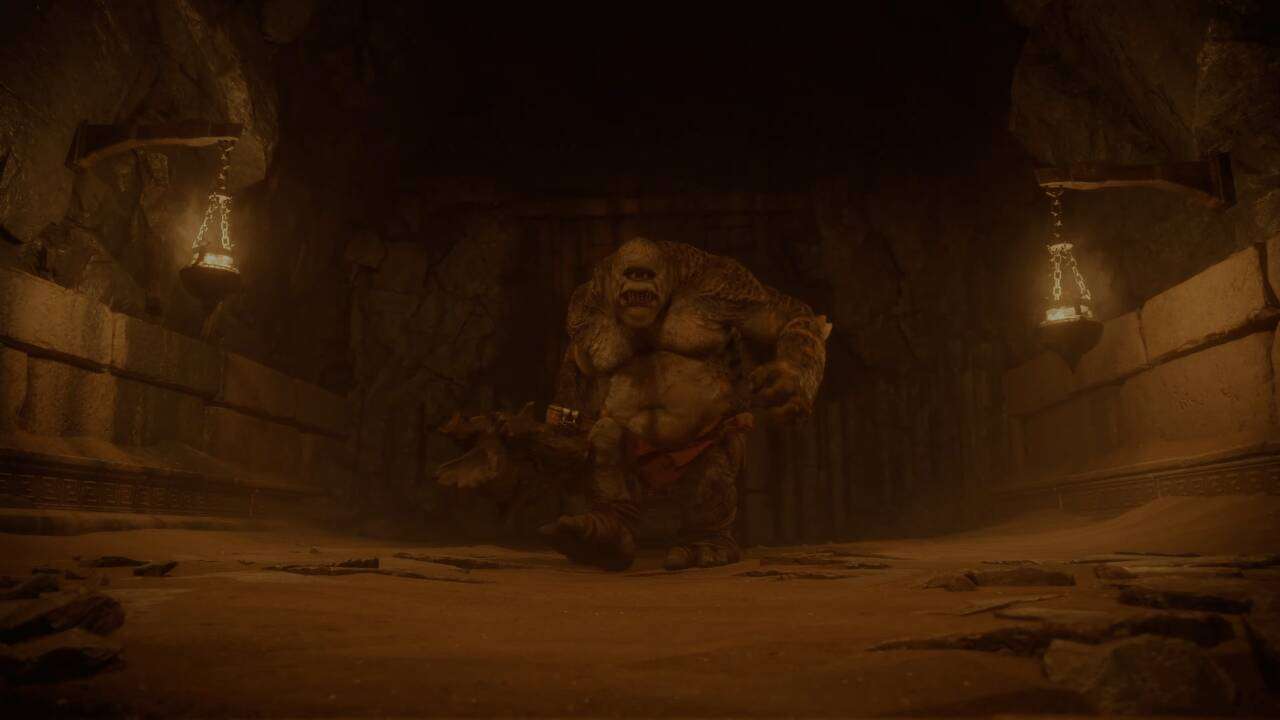
Now nothing in the Laufey footage officially showed this, but it’s been on everyone’s minds. With Laufey in the afterlife of the Gods and Kratos having slaughtered the whole Greek pantheon, it begs the questions if Laufey is on her way to an awkward meeting with the in-laws. The Valhalla DLC from 2023 and the recently announced remake of the Greek Trilogy do mean that modern adaptations of the characters would already be in development for the spin-off.
So Where to Next?
I’ve got two main theories of where we’re headed next, and I’d be excited to see either. So, indulge me for a moment, before I’m proven wrong within the year.
British Mythos
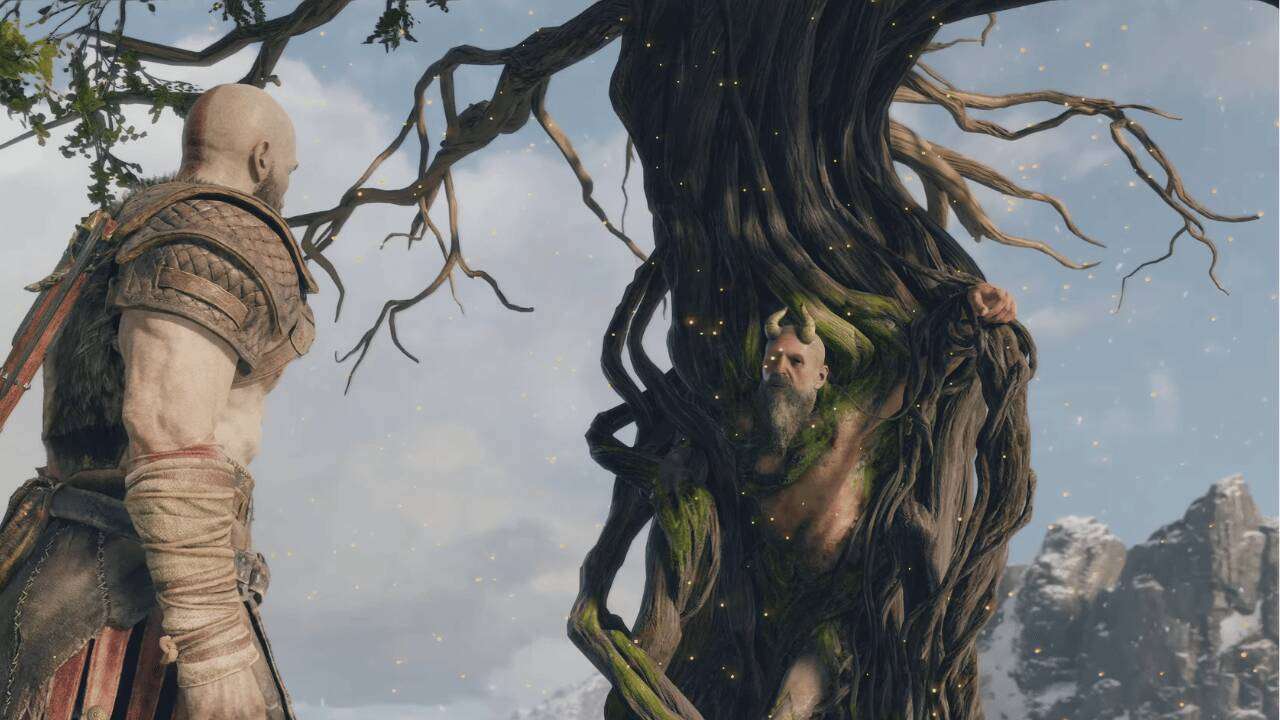
As mentioned earlier, Arthurian legend has been mentioned several times throughout the Norse games, with Mimir clearly hailing from Celtic lore. So, let’s briefly go through what we know of these stories in the God of War universe.
In Ragnarok, Mimir revealed his real name is Puck, aka Robin Goodfellow, the fairy jester of English folklore. Later popularised in Shakespeare’s A Midsummer Night’s Dream. Furthermore, he served Oberon, King of the Fairies, and jokes about his arguments with Titania, Queen of the Fairies
Additionally, the Kelpie, an aquatic Horse creature that brings Kratos to the Norns, is directly from Scottish folklore; Mimir recognises the creature from his homeland,
Lastly and most notably in connection to Arthurian legend, Nimue, the Lady of the Lake, who presented King Arthur with Excalibur, is directly mentioned by Mimir with a hint towards her future role in Arthur’s story;
“I remember very fondly a nymph called Nimue. Very talented with a sword. She made the best sword in all the Isles and had big dreams about what she’d do with them one day. I wonder what became of her…”
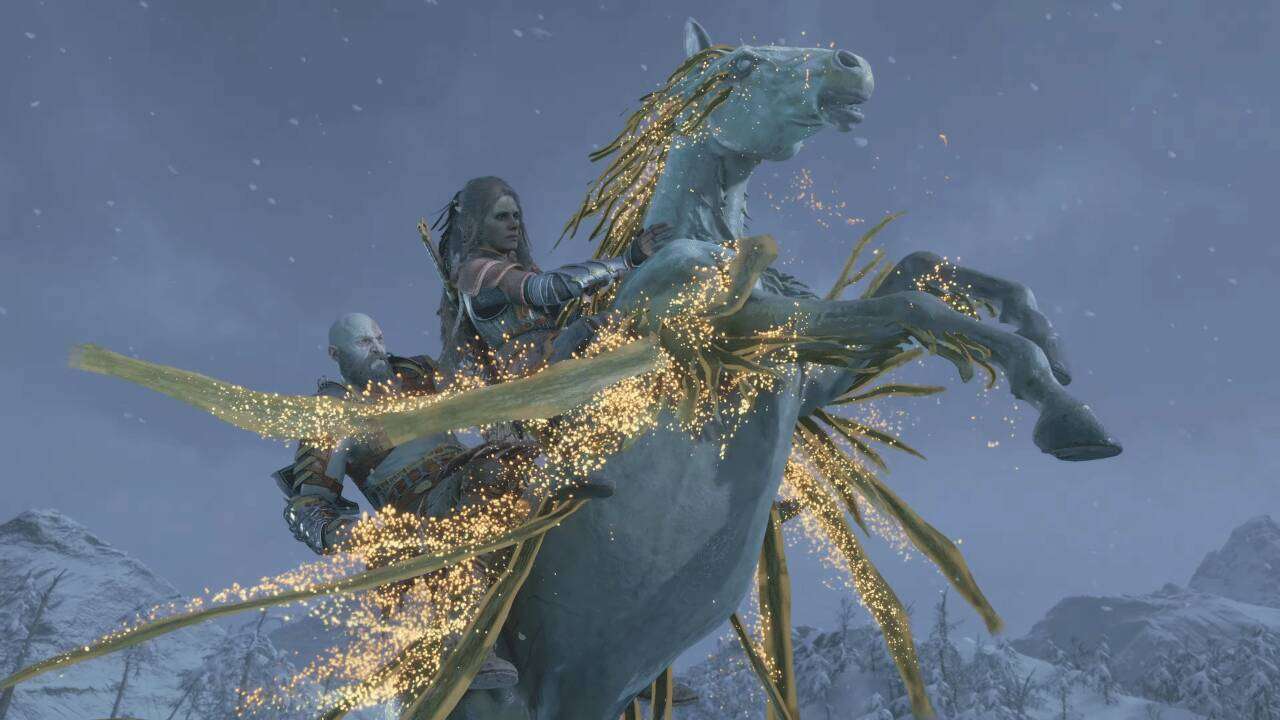
A return to his homeland for Mimir would be a great vessel for the continued theme of his storytelling throughout the game’s exploration that provides so much of the Norse game’s charm and atmosphere.
I suggest a twist on the story of Arthur and his knights of the Round Table: a monarchical despot who abhors magic, in turn making all the tales of his great battles and fearsome foes a story of a tyrant stamping out the old world. The magical weapons he wields become symbols of terror rather than grand weapons of a mythic hero.
I’d take this even further and suggest how our main heroes in the franchise could fit into this story:
- Kratos – The Black Knight: Often described as a foreign warrior or a mysterious challenger from another land.
- Laufey – Morgan le Fey: Granted, the name is something that has made this occur to many, and she wouldn’t be the half-sister of Arthur, but the adaptations often take liberties.
- Atreus – Merlin: A wizard whose key powers are cited as prophecy and shapeshifting, abilities we have seen attributed to Atreus and his Jotun/Giant heritage.
Now I know this can seem a bit like my own fan fic, but in my opinion the God of War timeline is moving forward and we’re unlikely to be in for just another fight with a pantheon. That being said, I think my next theory is somewhat more likely.
A New World
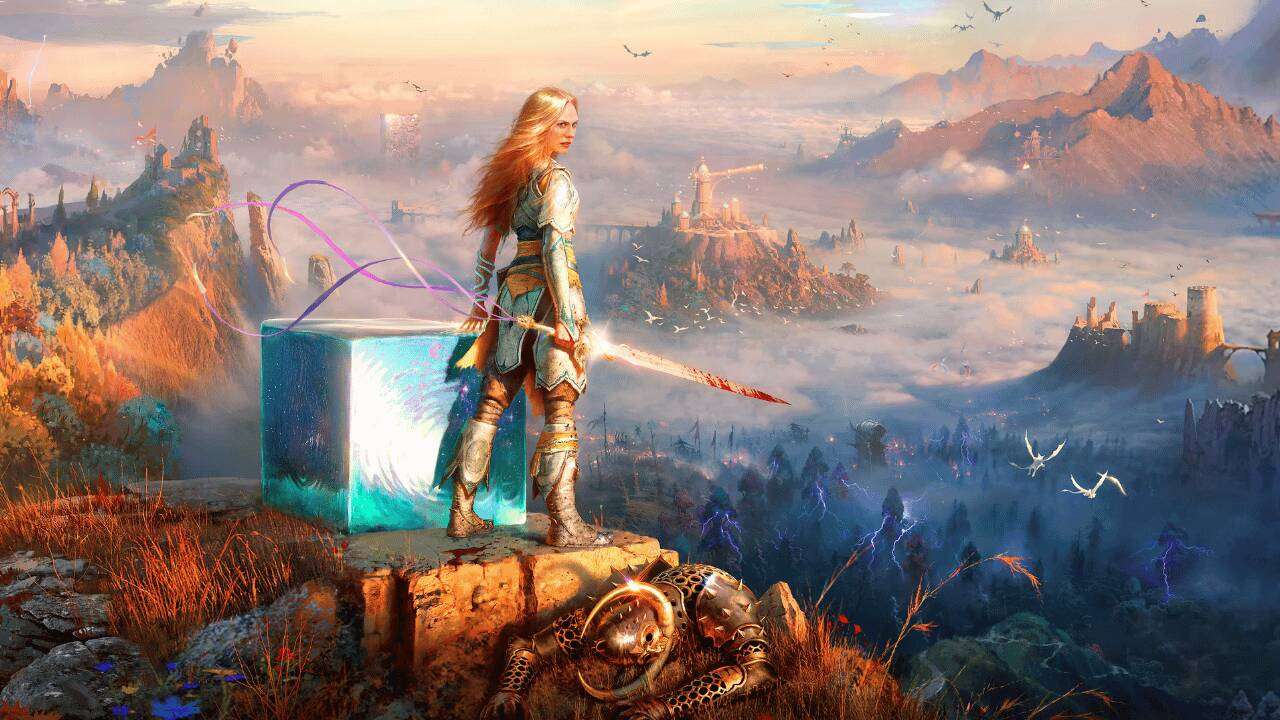
God of War has always played pretty loose with timeline; Kratos seemed to be present for every significant Ancient Greek event but also only around 50 by the end of that trilogy. Nonetheless, as the story progresses from Greek to Norse, and now the confirmation that other pantheons have already gone to the afterlife/everywhen suggests the timeline must push ever forward.
While God of War‘s connection to the real world is loose, more modern times rapidly approach the stories. But I wonder if the appearance of Phranque is a sign of a more radical shift in the franchise’s future.
God of War: Laufey has introduced a world where all magic comes from, and returns to, and the God of War games have depicted magic vanishing from the world in two grander mythologies.
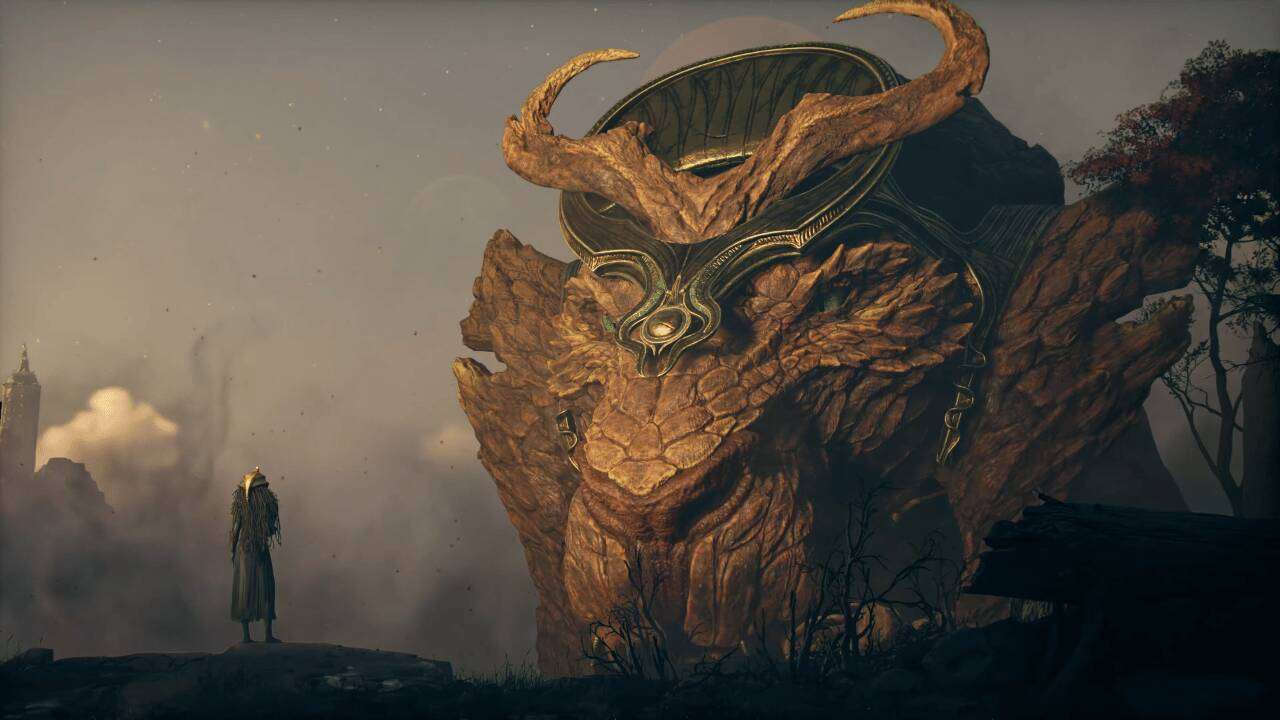
I think that what we are inevitably heading towards in the franchise is a broader fantasy world, one not bound by any particular lore or pantheon but instead driven by a wider amalgamation of mysticism and magic more akin to the high fantasy settings of DnD than previous instalments in the franchise.
We’ve seen 5 games now tackle Kratos’ battle with groups of cruel, unjust gods, and as fun as this has been, I fear that it could get stale the third time around. A story with a wider lens of its mythologies can allow for more opportunity.
Valhalla leaves us with a Kratos who no longer seeks vengeance, a god who has hopefully atoned for his sins and would rather fight for the betterment of the world than the damning of others. I think a story for that Kratos’ future can’t continue to be simply driven by more gods to be put down. But perhaps the betterment of the world in God of War is for magic to leave it and return to its place, then making the Everywhen a chaotic realm needing order and there we can find a story that gives Kratos something to fight for.
We have a trio of God of War projects on the horizon with God of War: Laufey, the Greek trilogy remake, and the now promised Kratos game. What the franchise has in store for us is a mystery for now, but I feel confident that we can piece together the likeliest routes.
Regardless, Santa Monica is sure to continue to deliver some of my favourite narratives in gaming, and I eagerly await Laufey’s release next year