
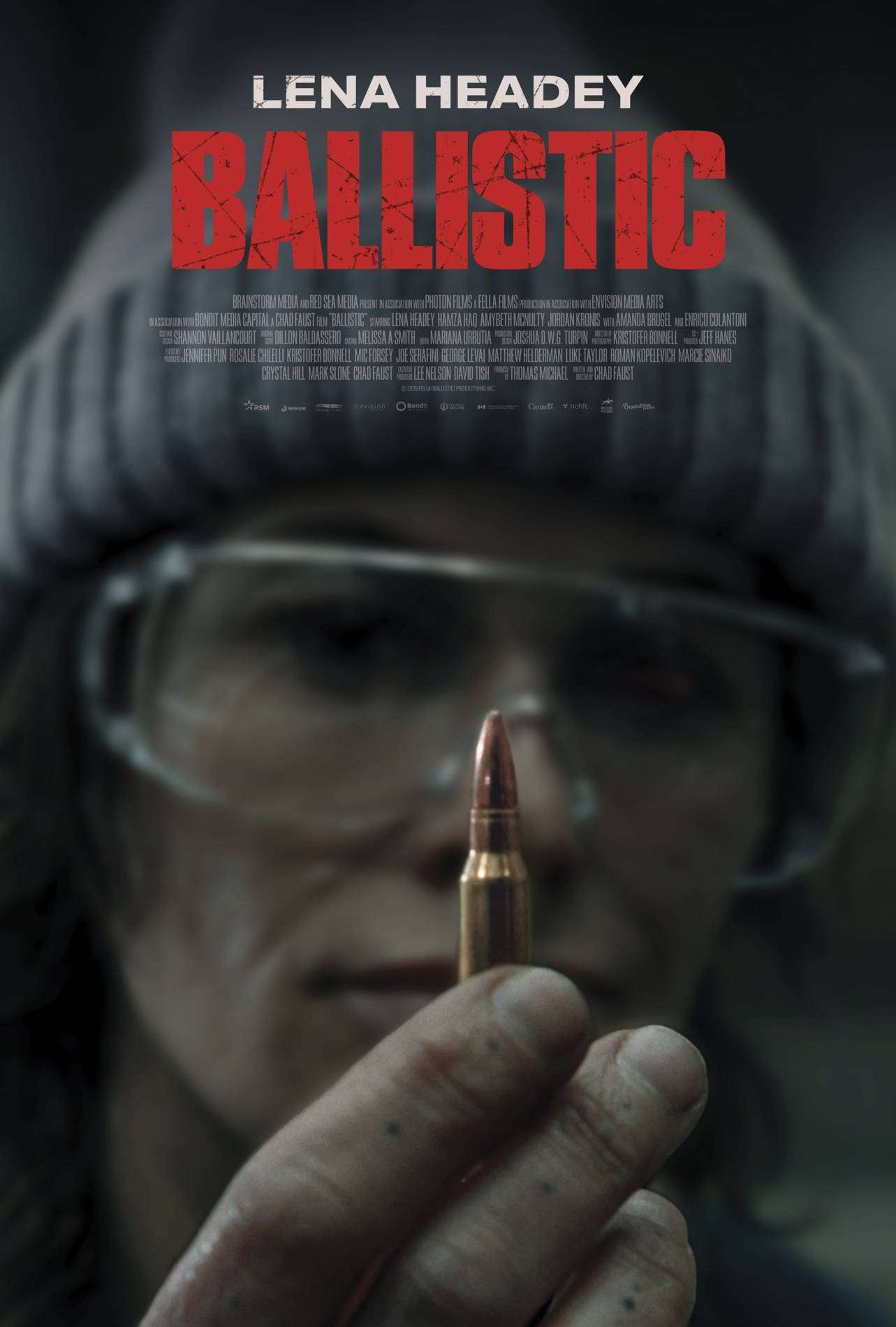
Lena Headey breaks hearts as a grieving mother in Ballistic, a film that struggles to figure out exactly what kind of message it wants to deliver.
Ballistic (2026)
Directed By: Chad Faust
Written By: Chad Faust
Starring: Lena Headey, Hamza Haq, Amybeth McNulty, Jordan Kronis
Release Date: April 17, 2026 in Select Theaters and On Demand
Set in a small town where an ammunition factory and nearby military base seems to be the main things going on, Ballistic puts the focus on Nance Redfield (Lena Headey). She’s forced to deal with every parent’s worst nightmare when word comes that her son, Jesse (Jordan Kronis), has been killed in action while overseas. Having recently deployed, leaving behind a pregnant wife who’s set to move in with Nance, the loss is as shocking as it is painful.
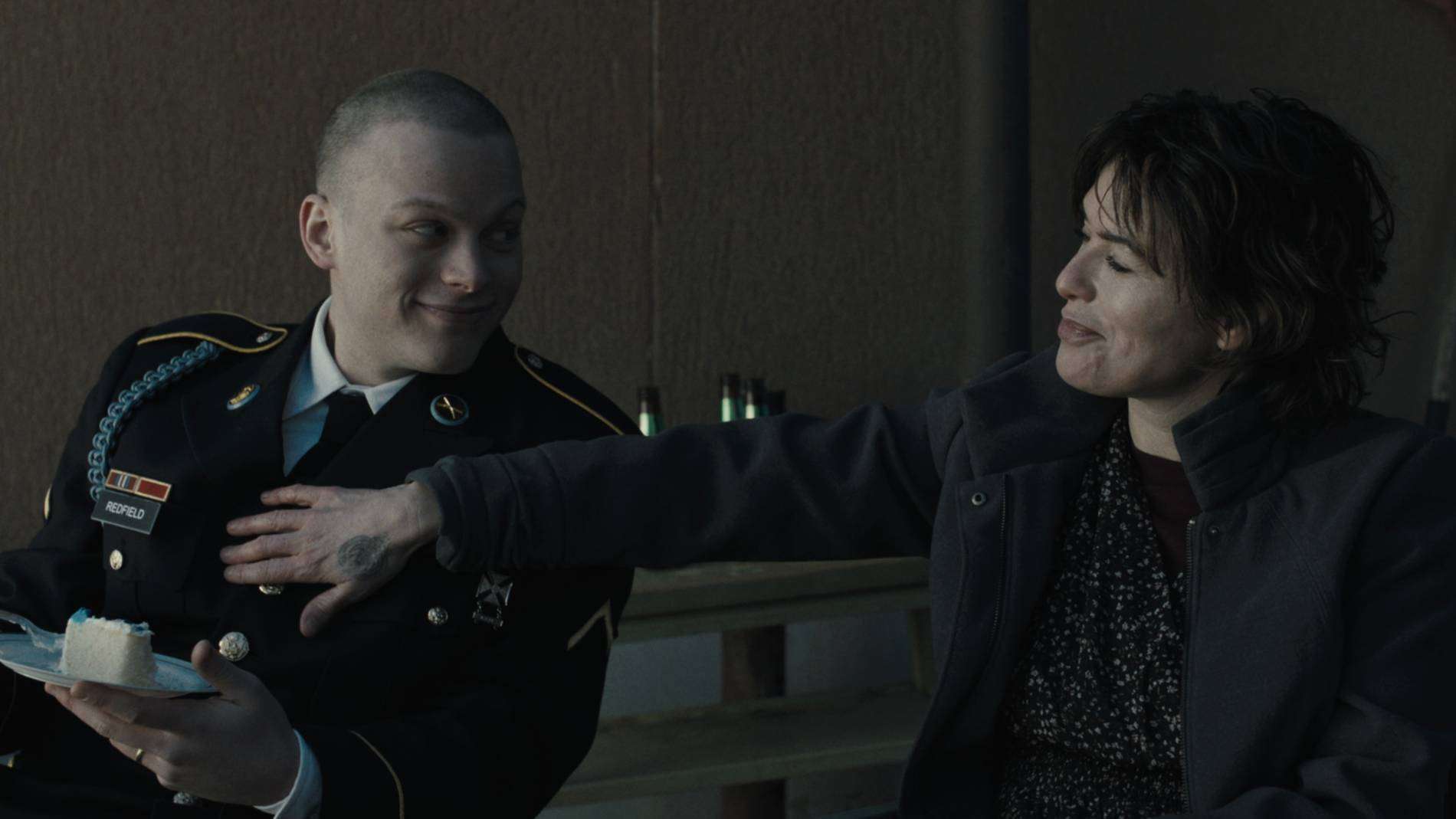
Having raised him as a single-mother, with no support system in place, the loss hits Nance particularly hard. In a very real way, Jesse was the sole thing keeping her going in a rather mundane life. Her sorrow, combined with the last conversation she had with Jesse, sends her down a series of conspiracy theory rabbit holes. Ultimately, she comes to learn the bullet that killed her son was made in the same factory she works in.
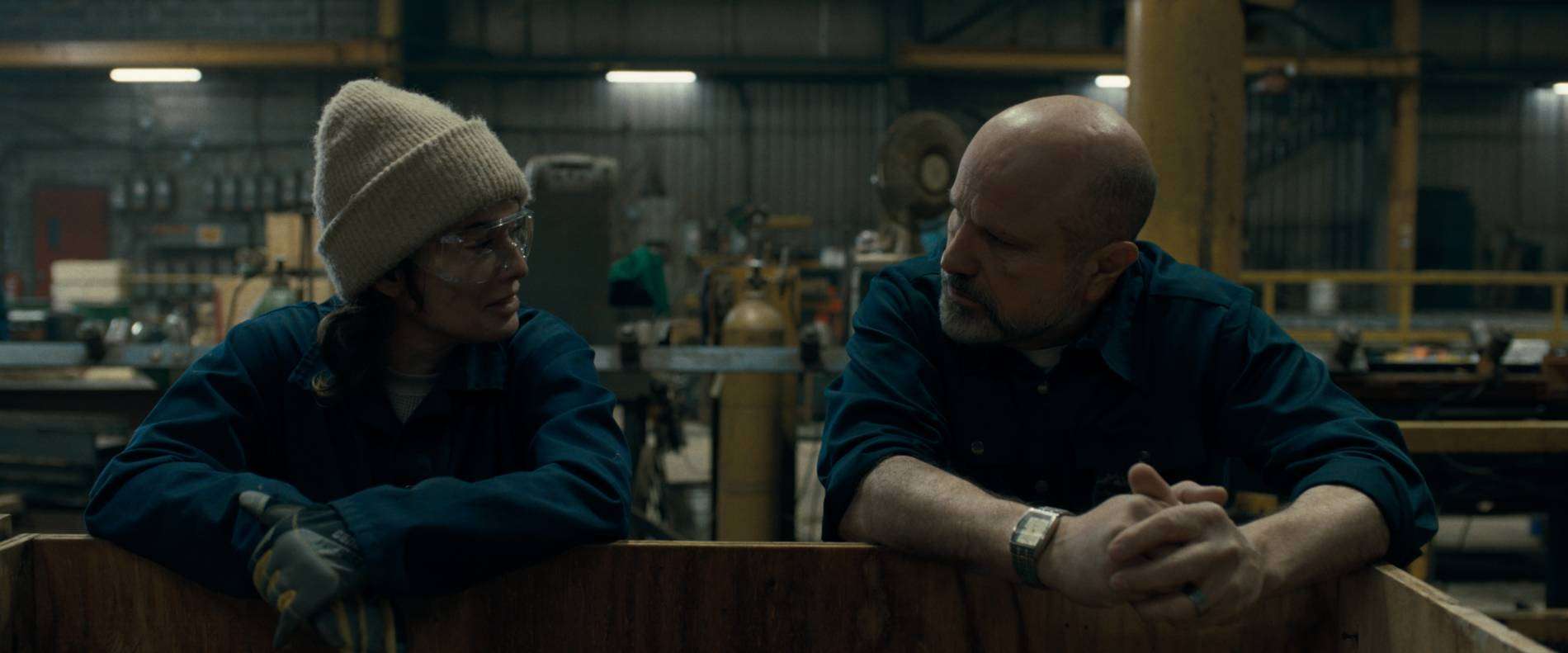
Grief stricken, she lashes out, embarking on an ill-thought out quest for revenge against those she feels are at fault. From the military people who brought him home, her boss who runs the factory, and even the army recruiter who signed Jesse up, Nance is hellbent on making them all pay. All while taking shooting lessons from the army therapist, Khalil (Hamza Haq), who specializes in helping families of fallen soldiers.
What follows is a series of bad decisions as her narrow-minded focus on revenge threatens to upend what remains of her life and that of the family her son has left behind. It’s…interesting. Namely because, for the most part, Ballistic doesn’t feel like the kind of film it’s billed to be. At least, the good parts aren’t.
A good chunk of the film is Nance fervently investigating her son’s death. As she dives deeper into various conspiracy theory podcasts/videos, she’s increasingly convinced there was something more behind his death than a simple casualty of conflict. This is easily where Ballistic is at it’s most engaging. Watching her conduct this investigation, while coping with her grief, crafts a slow-burn drama that sucks you in.
Then, as she uncovers the truth about the origins of the round that killed her son, the film shifts to this revenge narrative. The problem is, it’s not entirely clear if Nance has actually connected all the necessary dots. Is the bullet actually from her factory, or just what she’s convinced herself of? Did the American made rounds make it into the hands of the Taliban through back channel smuggling or a deeper plot? Is the implication that one of Jesse’s own squadmates responsible for his death; possibly for giving out information he shouldn’t have?
There’s a lot of questions going on even after this lengthier investigation aspect of the story. None of them really end up getting answered either as Nance turns from figuring things out to taking action. Her list of targets feel as sporadic as the theories she’s listening too, some even driven by outright racism (which feels wildly out of place with everything else going on).
Instead of seeing her righteous anger turned towards enemies, the film showcases how her grief takes her down a more self-destructive path. Which isn’t necessarily bad, but feels at odds with how the film plays out. Rather than an introspective look at the inherent problems with the Military Industrial Complex and how it impacts people, or even the complicity of “doing our job” as part of a cog in that larger machine, Ballistic devolves into a half-baked revenge flick.
It suggests these themes. We’re offered hints and teases of larger concepts (i.e. feeling helpless, working-class people betrayed by the system they’ve worked in, the rampant racism associated with the conflict against the Taliban, etc) as Nance grapples with who deserves her ire most, but the film doesn’t have time to get into any of them.
Which is frustrating because that first part of the film sets up those elements incredibly well. Combine that with a powerful performance from Headey, and Ballistic feels primed to deliver a heartrending exploration of something that affects too many people in real life. Hell, everyone does a great job with the performances here, but the weird framing of the revenge elements make it especially hard to empathize with Nance’s actions.
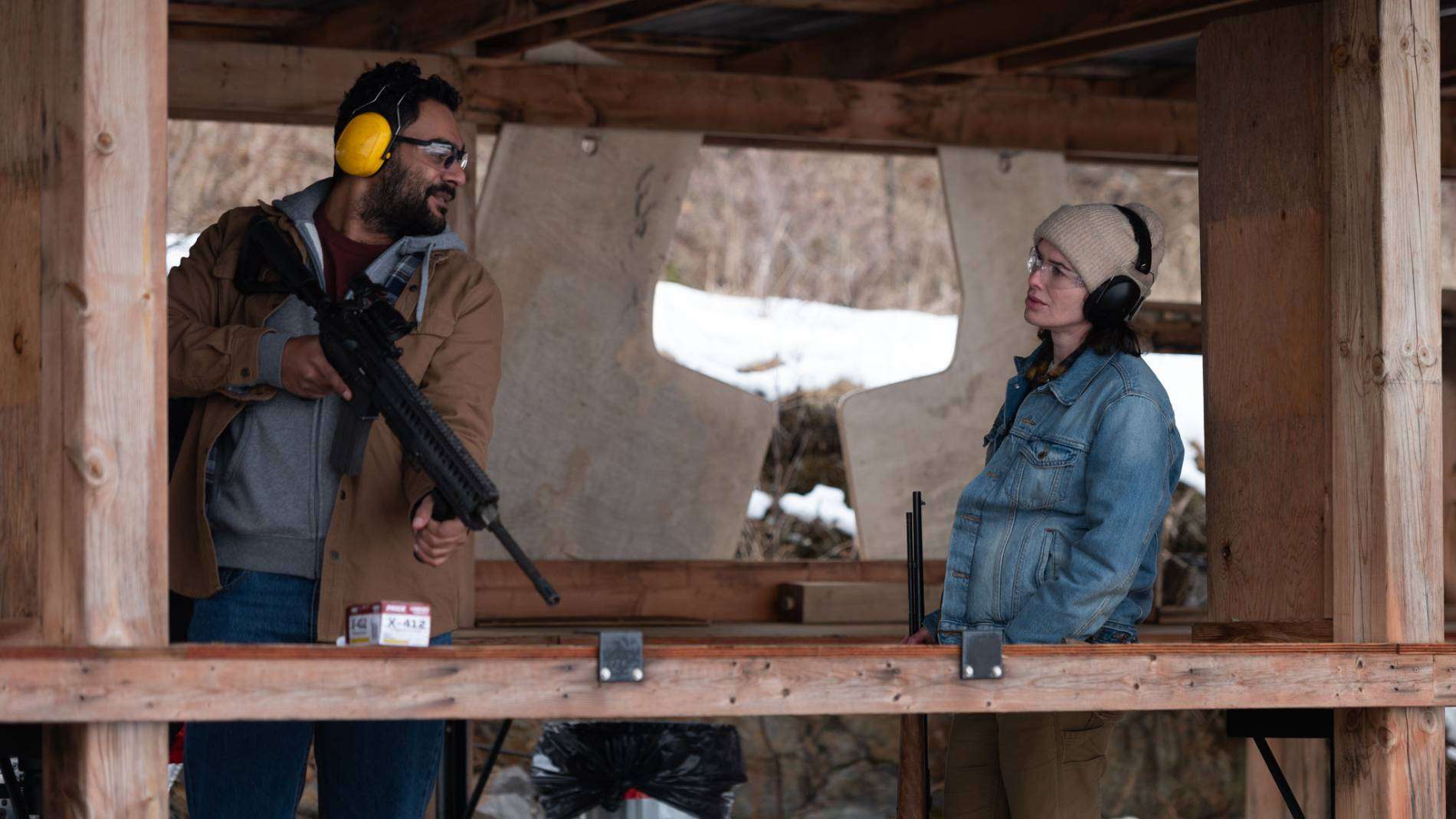
Which I’m sure is partially the point being made, but it’s handled so strangely that it doesn’t really work. Instead, the film feels like it isn’t exactly sure what it wants to be. Hinting at various genre elements without committing to one completely and leaving the experience weaker overall.
There are some solid aspects to the filmmaking on display here. Director Chad Faust manages to capture the overall vibe of this working-class town, and the people who dwell within it, in subtle ways. From it’s early montage showing Jesse growing up, to the sparse factory surroundings, it immediately puts you firmly in this world.
You can feel the small-town aesthetics, get hints of their lives/backgrounds without any of it feeling like a caricature. The amount of information conveyed through these small moments, without much dialog goes a long way toward establishing a tone that makes all those involved relatable in some way. It gives out a lot of story/character information in a short amount of time, making smart use of it’s shorter (tight 90) runtime.
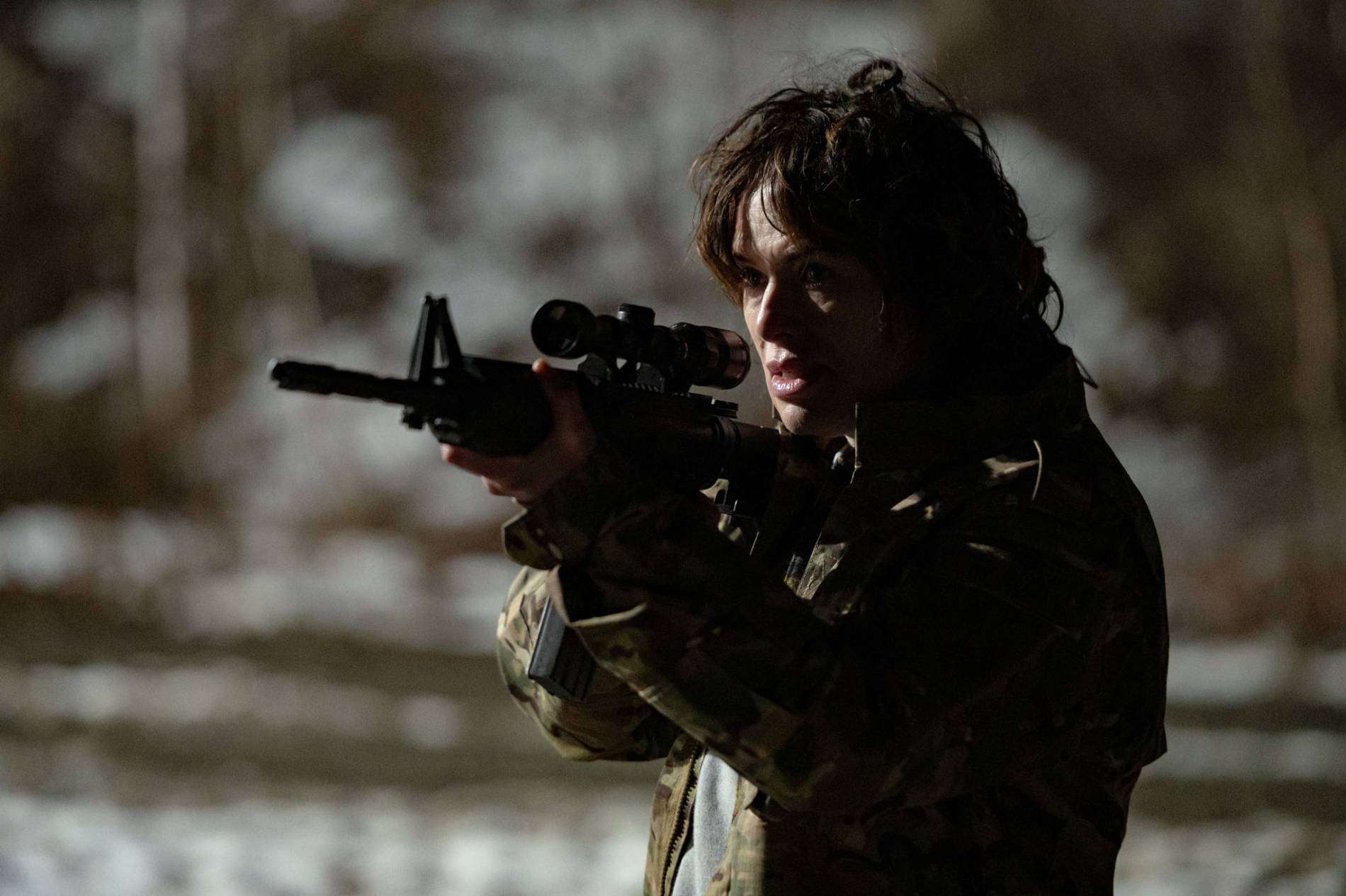
This is partly why the shift to the revenge part of things feels so wonky. Ballistic manages to firmly set itself up as a serious drama exploring this unique kind of grief. Shifting away from that to her misguided attempts at vengeance feels like a missed opportunity. Moreso because there isn’t really much “action” to go with this supposed action-thriller.