

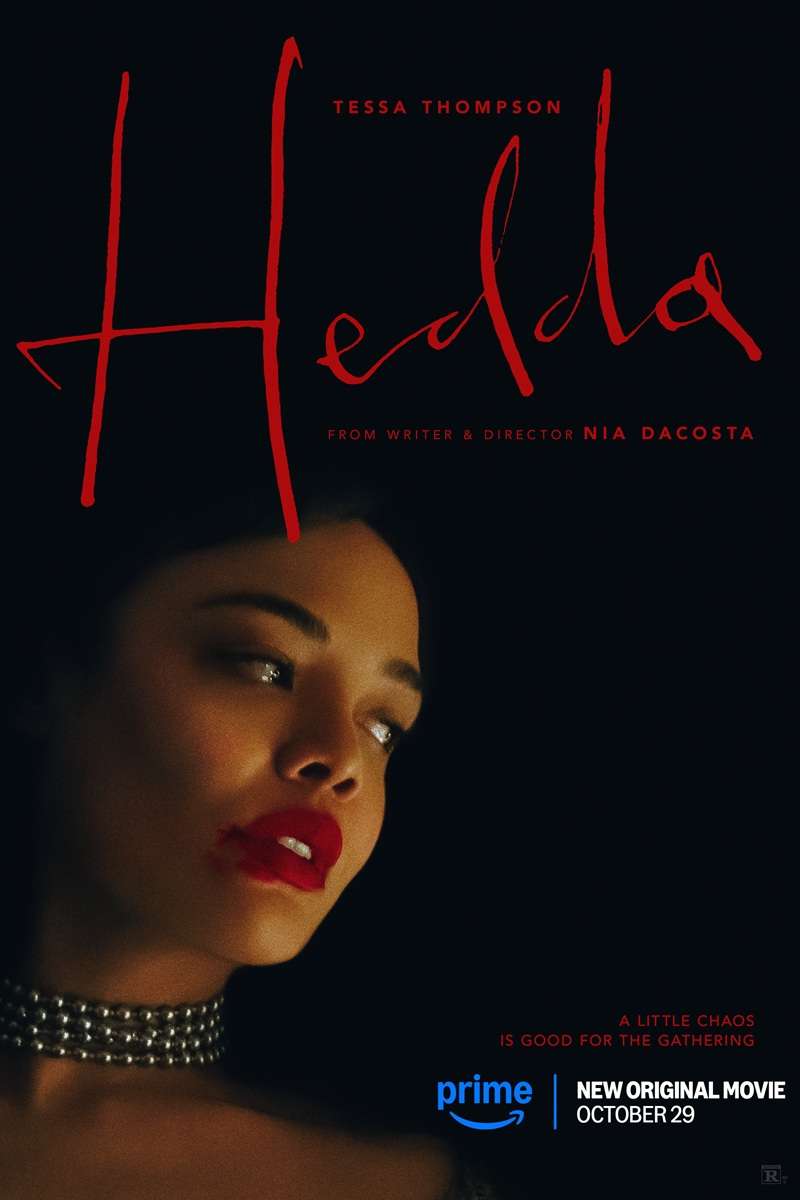
Nia DaCosta’s latest film takes on the period drama Hedda, bringing together great performances and a chilling story of heartache and manipulation.
Hedda
Directed By: Nia DaCosta
Written By: Nia DaCosta
Starring: Tessa Thompson, Tom Bateman, Nina Hoss, Imogen Poots
Release Date: October 29, 2025 on Prime Video
Based on the play of the same name, the film puts the focus on its titular character Hedda Gabler (Tessa Thompson) as she throws a lavish party. Yes, the events of the film all take place throughout the same evening as the party goes from the stilted dinner of an aristocratic evening, to something far more rowdy and rambunctious.
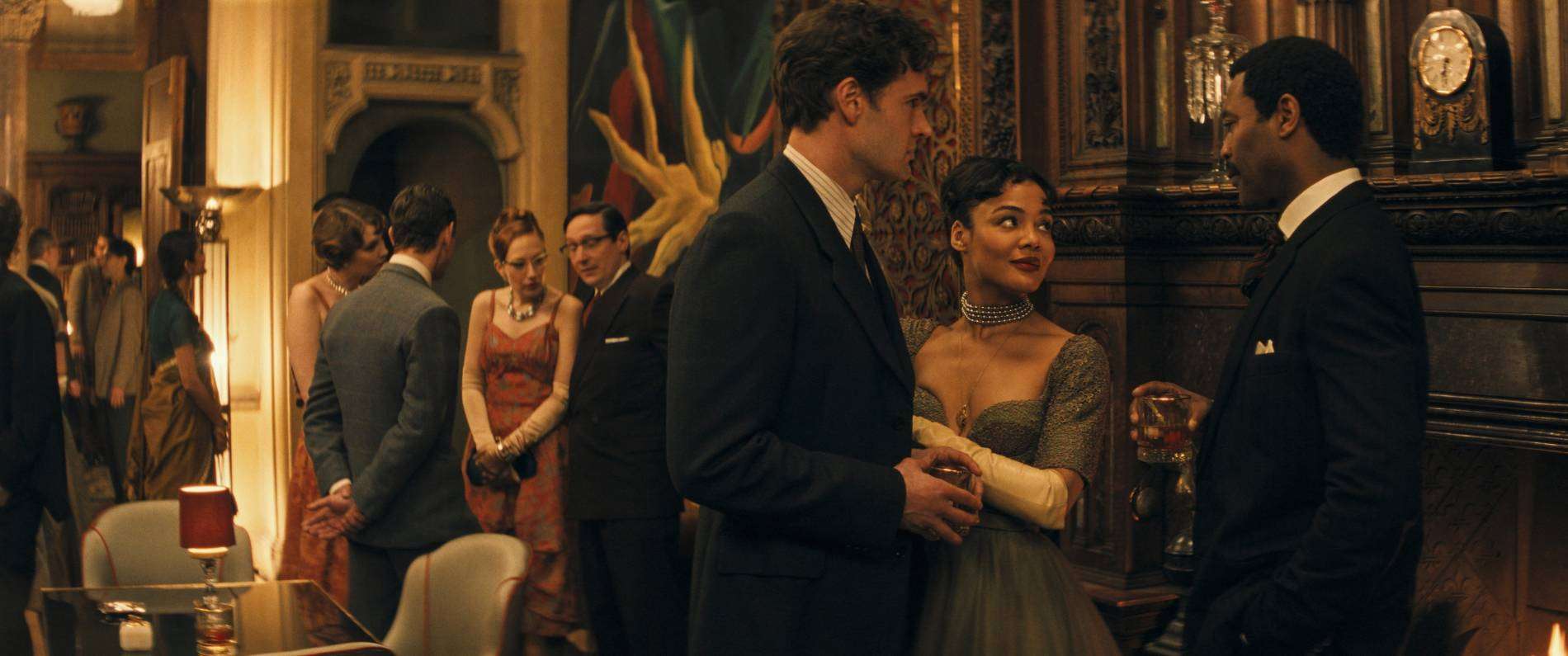
Known as something of a “wild woman” in her day, Hedda has inexplicably gotten married. Having recently returned from their honeymoon they put together this massive party in order to fully “announce” themselves and try to garner more sway with the academic community her husband, George (Tom Bateman), desperately needs to be apart of.
That’s because they’re living well beyond their means…though, it’s safe to say Hedda herself is the driving factor there, with her loving—albeit naive—husband willing to do everything he can to make her happy. Something that seems to be a near impossible task, because Hedda cannot be who she wants to be.
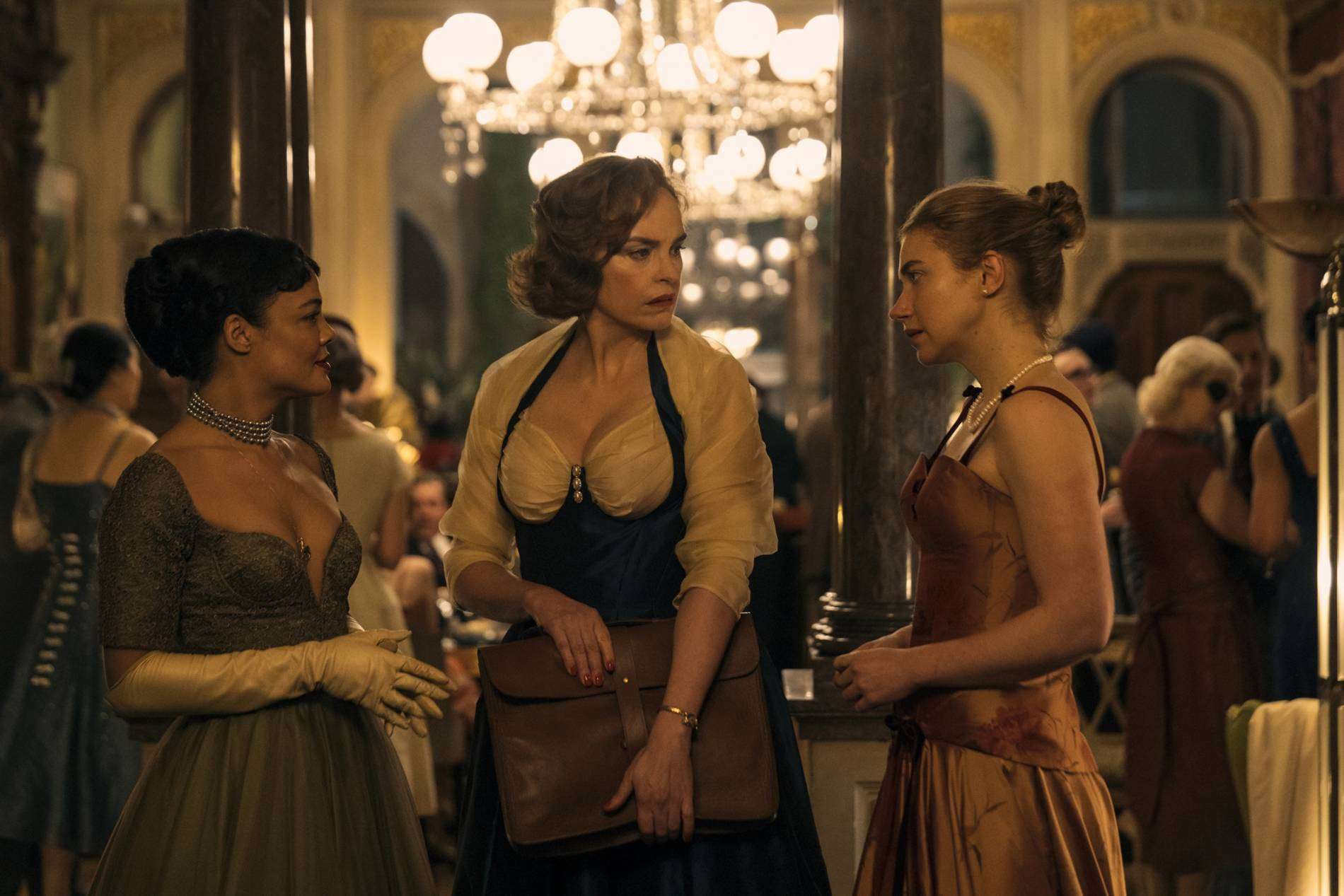
As such, she’s plagued with a “whimsy” and impetuousness that’s never quite sated; a rebellious streak that shows itself in how she tries to manipulate the people around her. When an old flame, Eileen Lovborg (Nina Hoss) returns, freshly sober and with the potential to take the Professorship job George needs to keep the house, Hedda’s world is thrown into disarray. Especially as Thea (Imogen Poots), Eileen’s new love/partner, is working to keep Hedda from getting her way.
Thus the party becomes an effort to reclaim the love she’s lost…Or, if that’s not possible, destroy it entirely. She spends the evening pushing and plucking at individuals, both subtly and overtly getting people to do exactly what she wants in order to accomplish…something. Even she doesn’t seem entirely sure of her goals. Ostensibly she wants to help her husband secure their future, to live the life she’s been told is the only/best option for her. Even her, however, there’s plenty of self-sabotage in the act.
The film brings in some obvious updates to the original play. For one, it’s not set in the 1800s. It’s still a period piece, but moves things forward enough to give it a bit of Great Gatsby flair, but a bit more modern as well. The shift to the old flame being a woman, making it into a lesbian relationship is the biggest change, but it certainly works for the way the story approaches things. Adding layers to the the ways in which Hedda, and some of those around her, feel forced into certain roles.
You see, Hedda is trapped. Caught in a prison due to both the constraints of the time period and decisions of her own making. Even as she acknowledges her own role in her current circumstances, she doubles down. If she is unable to be happy, to truly be the person she wants to be—and with the person she wants to be with—she’ll make sure no one else can either.
Her manipulations aren’t so much to achieve a better life for herself, so much as it is to ensure all those around her are somehow worse. A punishment for the role she’s been forced into. In this way, Hedda is both victim and villain in the tale. Someone you can’t help but empathize with, yet are simultaneously repulsed by what she chooses to do. An all together engaging character you can’t help but follow along with, even as you accept it’ll come to no good end.
One of the things I enjoyed most in the film was how the story is cleverly crafted to keep Hedda as the focus at all times. Even when significant chunks of the movie is centered on other characters, Hedda’s influence is ever present. You can see how everyone else is dancing to the tune she sets when they cannot. Thea is the only person who sees Hedda—and what she’s doing throughout the night—for what she is. This knowledge does little to help her, however, as she ends up caught in the current regardless.
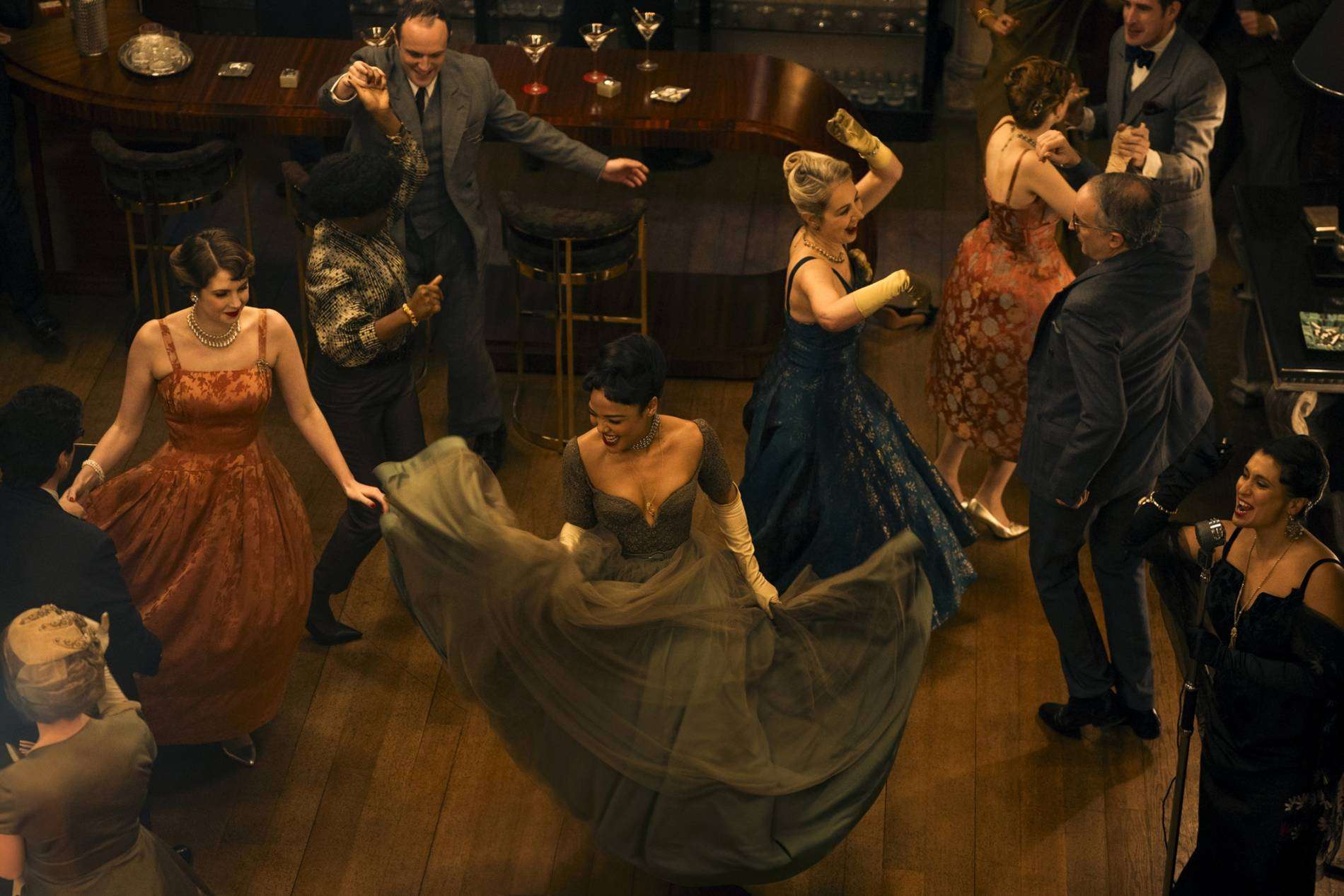
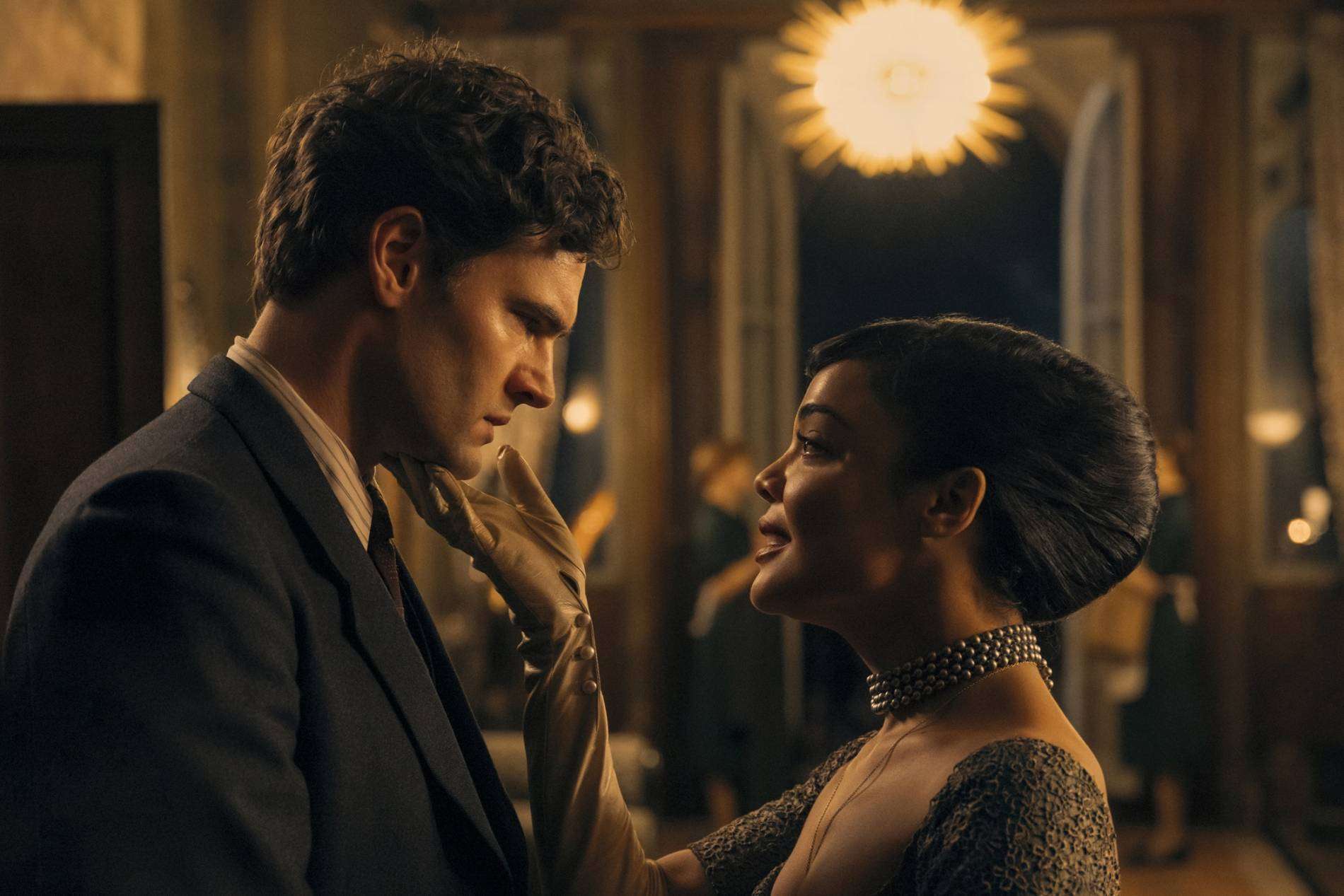
DaCosta does an excellent job of conveying Hedda’s thoughts and feelings through the screen. Obviously, much of it has to do with Tessa Thompson’s incredible performance, but accompanying that is the impressive way DaCosta uses the sight and sounds of the world around Hedda. From muffling the sounds of the outside world to show Hedda’s distress, how the character is framed—playing with lights and shadows—when she’s scheming, and even the way flames dance and play during moments of passion. It’s all carefully constructed, showing not only a deft storytelling approach, but helping to immerse you in Hedda’s world and mindset.
To be honest, these type of period films are rarely my thing and neither are slice of life style films, which this falls into both. That said, I found Hedda strangely compelling. It’s almost impossible to turn away from, and you have to see what happens next. I’m not entirely convinced that means the film itself is enjoyable/good.
There’s some dangling threads, and its laser focus on Hedda as a character means some of the other interesting side characters are never really explored. Of course, that could be a stylistic choice as well, where Hedda’s world/perspective is the only one filled out while everyone else remains one dimensional. Either way, it left me wanting a little bit more, or at least something more conclusive by the time the credits rolled.
DaCosta’s impressive filmmaking, combined with Thompson’s dominating presence, kept me glued to the screen as things unfolded. There are many aspects of the story I know I’ll be thinking on for a while and examining. For that alone, I think Hedda is worth the watch.