

Packed with wall-to-wall stunning performances and an all too poignant story, Nuremberg struggles to figure out exactly what it wants to be.
Nuremberg
Directed By: James Vanderbilt
Written By: James Vanderbilt
Starring: Rami Malek, Russell Crowe, Leo Woodall, Michael Shannon, Richard E. Grant
Release Date: November 7, 2025
There have been a number of movies/shows dedicated to the Nuremberg trials that followed World War II. The cases that put Hitler’s men on trial for the terrible war crimes they’d committed and created the precedent for charging people on the world stage going forward. For some it marked the true end to the war, for others it was a needless bit of theater. There’s no denying it remains a defining event in history; a reminder that there is accountability for those in power who would do evil things.
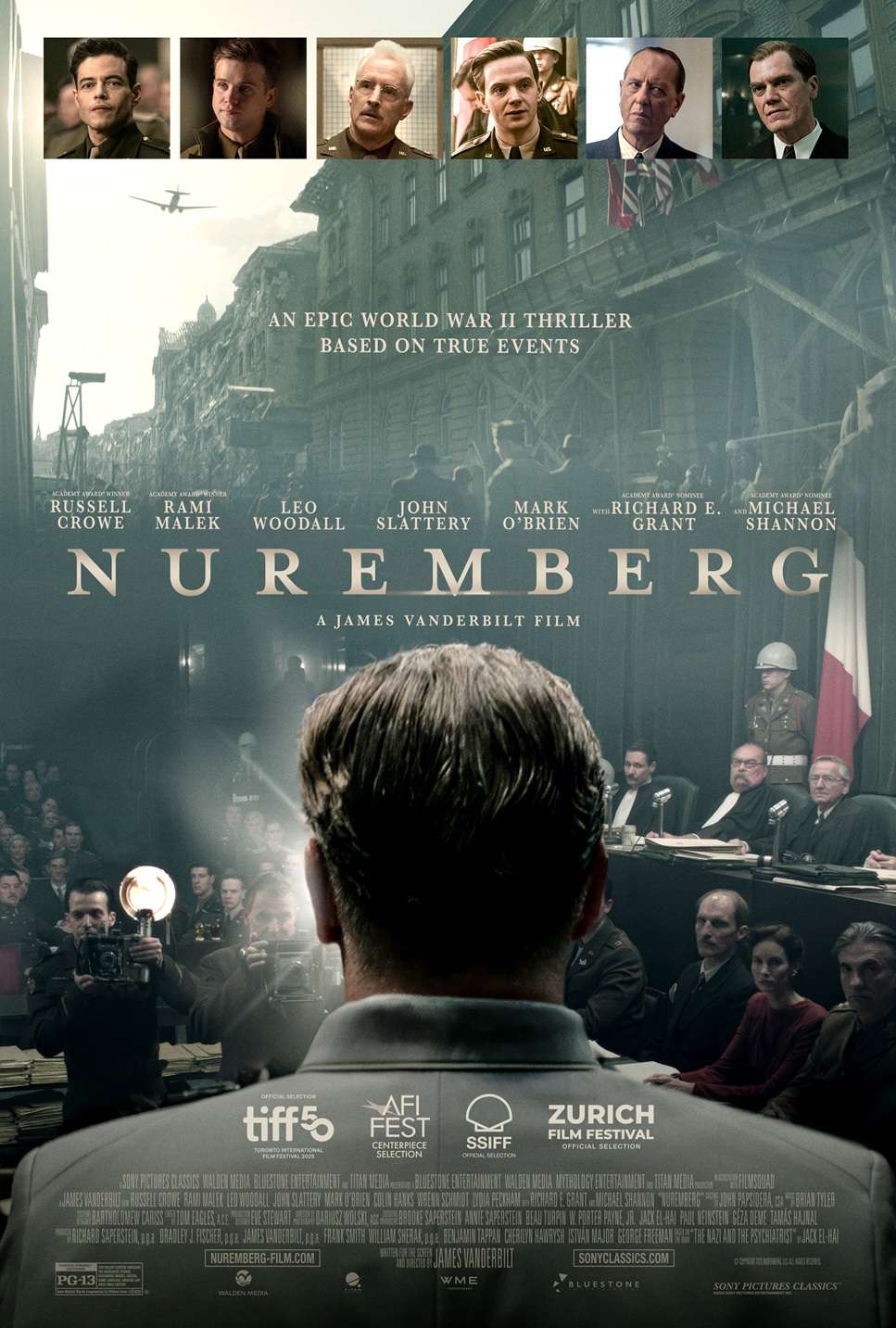
As such, there’s a timeless quality to this bit of history and now, more than ever, feels like a great time to remember some of its lessons. So here we are, with a new take on Nuremberg. The focus of this new film puts the events through a narrower lens, by showing the events mostly through the perspective of army psychiatrist Douglas Kelley (Rami Malek). He’s brought to Nuremberg with the main purpose of determining the various captured leaders of the Nazi regime are fit to stand trial…and not kill themselves before justice can be doled out.
His biggest challenge, is Hermann Göring (Russell Crowe), who served as Hitler’s second in command and was, effectively, the leader of the Nazis at the time. Göring is a smart man, and Kelley soon finds himself locked in an ongoing battle of wits with the man that ends up challenging his views on the nature of evil and how it grows.
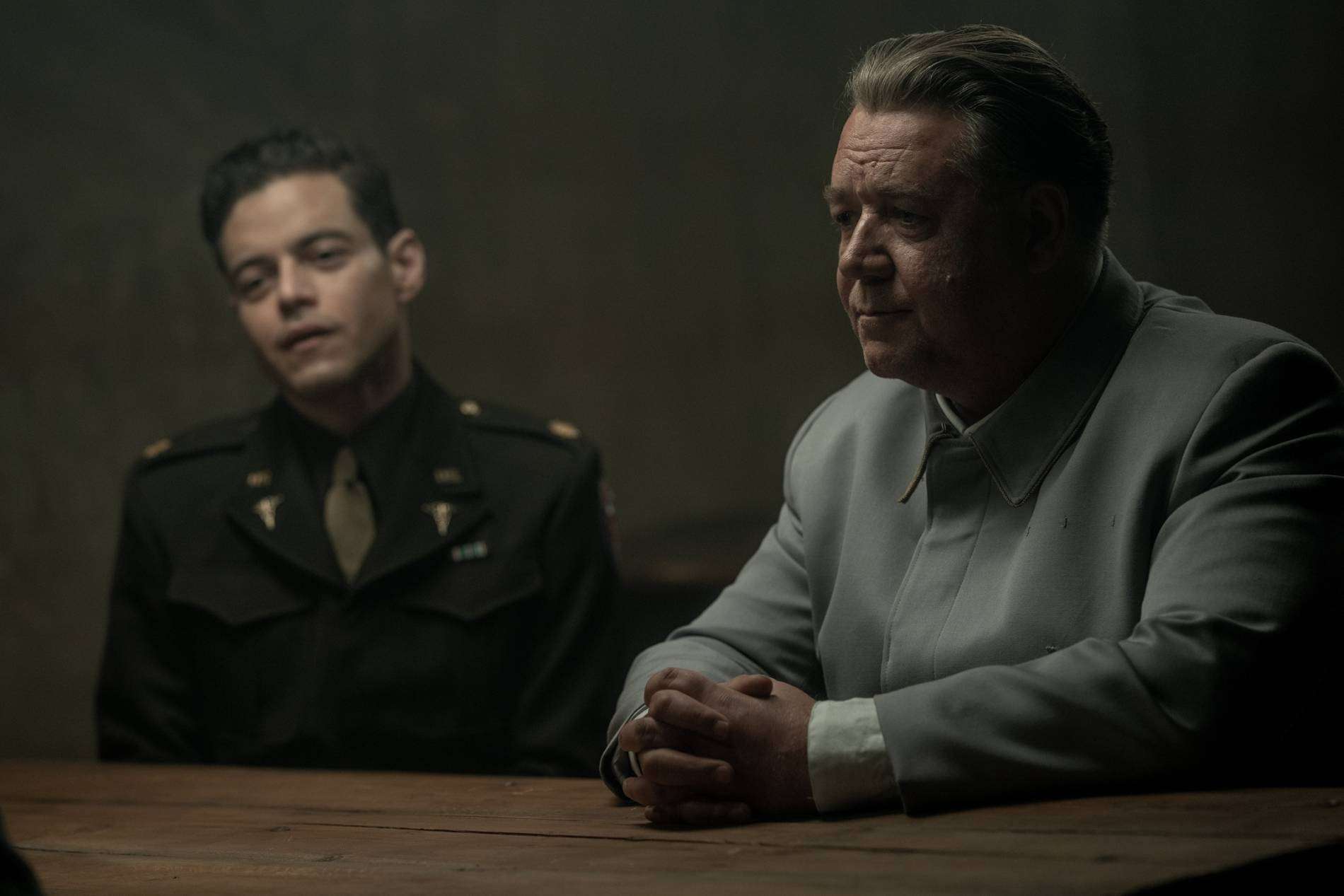
The dynamic between these two form the real crux of the story and offers a unique approach to this story, rather than being a straightforward recreation of the events. It allows for some brilliant dialogue and thoughtful moments that manages to create a tension to the whole thing even though we know (historically) how things end up.
Other parts of the film put the focus on Justice Robert H. Jackson (Michael Shannon) who’s tasked with making the Nuremberg trials a reality. We see some of his struggle to convince the government (and those of the Allies) of the necessity of the trials and all the moving parts he has to go through in order to make them a reality. These bits offer some neat insight behind the scenes of it all, along with a look at how the world’s governments worked together in the aftermath of the war.
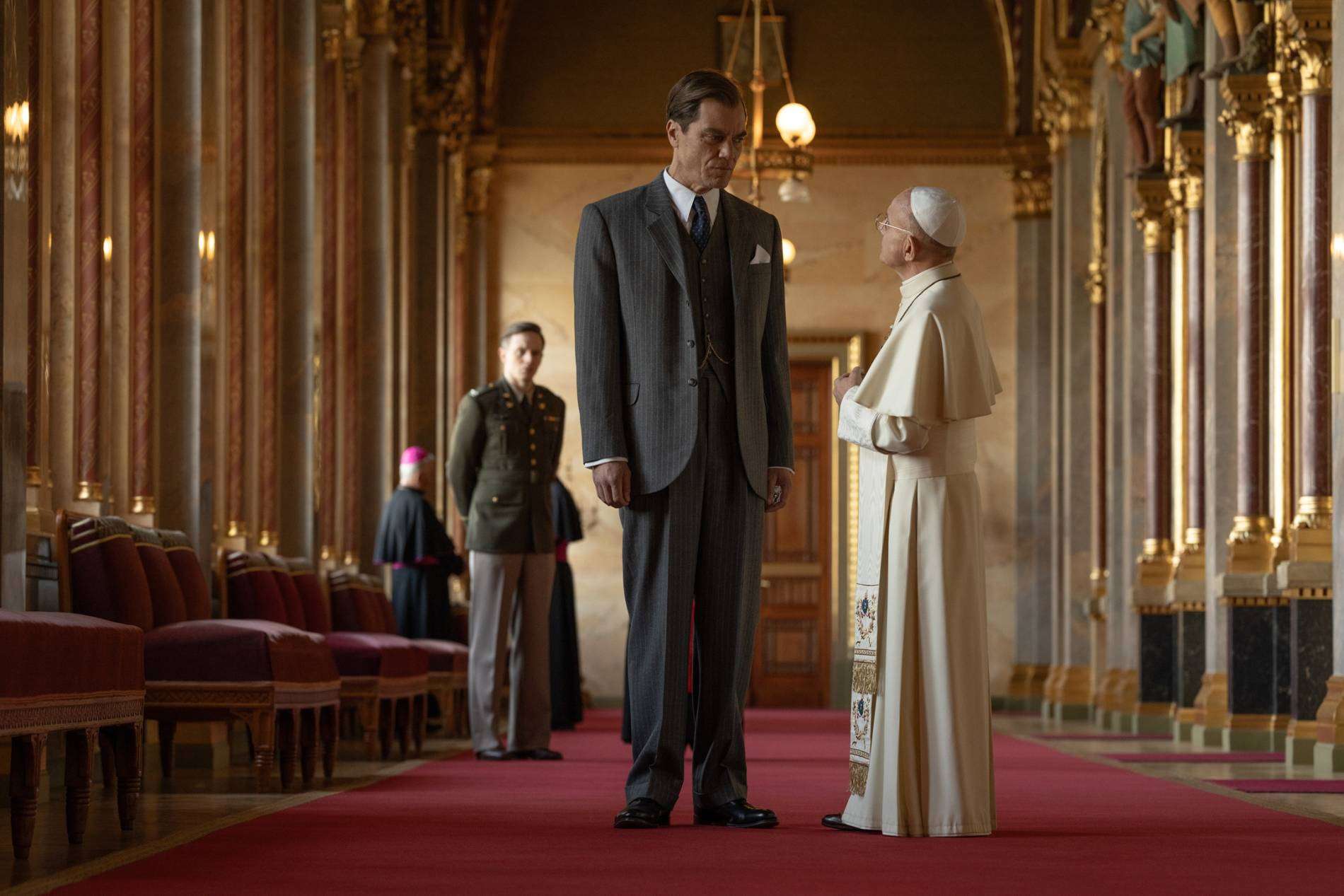
By choosing to focus on these aspects instead of the trial directly (though there are some great moments set during the proceedings), Nuremberg highlights the magnitude of what was achieved. That the trials took place at all manages to feel like a miracle on its own and this movie does a decent job of showing why it was important for it to happen, regardless.
Anchoring all of this, are a bevy of stellar performances. Seriously, there’s not a bad one out of the bunch and I could have watched Crowe and Shannon playing off one another during Göring’s testifying scene for the film’s entire two and half hour runtime and been perfectly fine. It was mesmerizing. Two titans delivering performances that might as well be acting lessons for everyone else. That’s not to say the others were slacking, quite the opposite in fact as Rami Malik and Leo Woodall stand out strong…but that’s just how good Crowe and Shannon are in their roles.
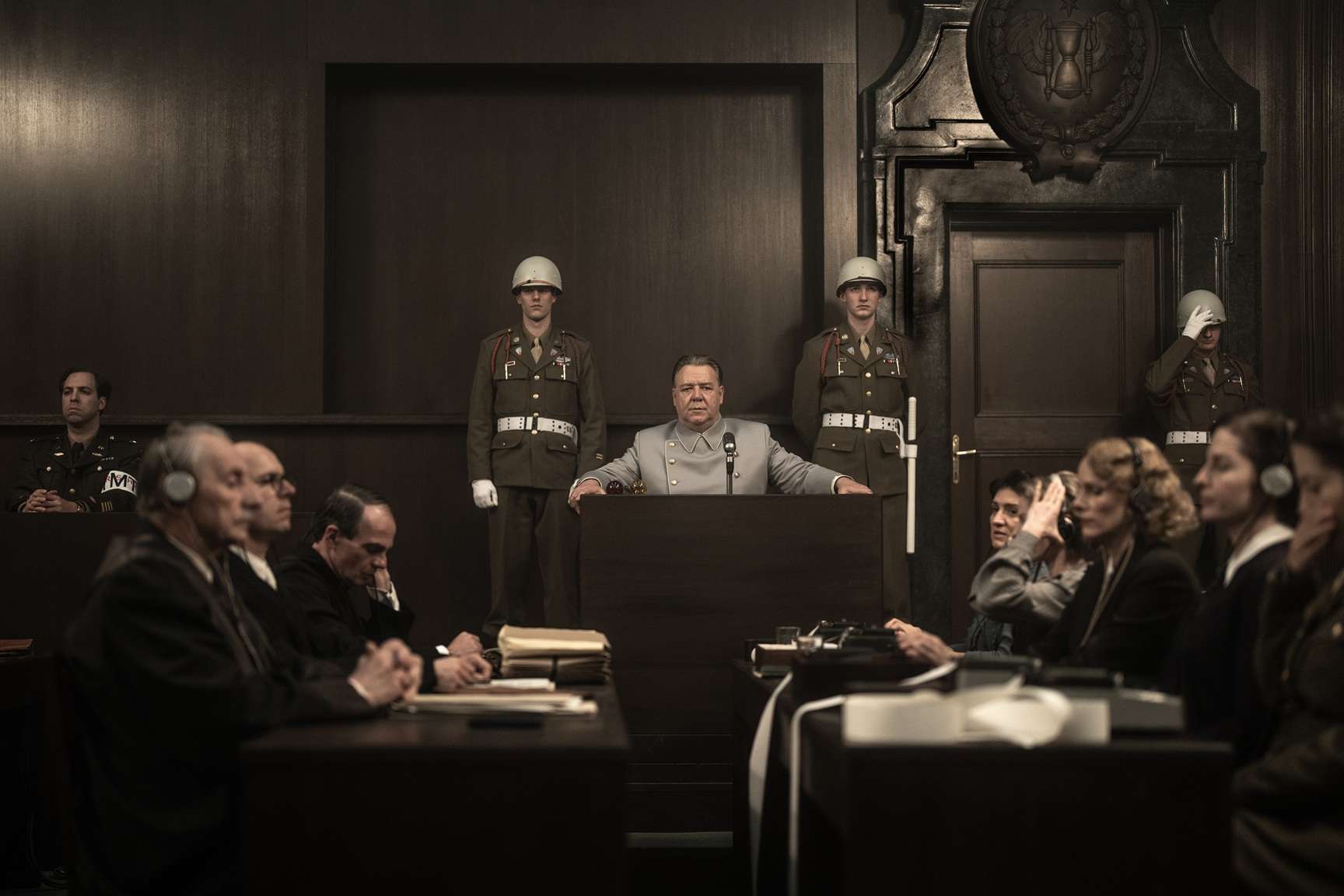
It makes for a compelling watch, keeping audiences hooked/engaged even when the story feels like its meandering. The biggest problem the Nuremberg faces is the movie can’t decide what kind of movie it really wants to be. It’s definitely not a courtroom drama, and skews more towards being a tense psychological affair. The story about Kelley becoming closer with Göring, even spending time with his wife and daughter (in hiding), sits at the heart of things.
This isn’t bad, though I question some of how the film presents certain aspects before coming back to righteously condemning things. Where it struggles is how the film still wants to incorporate those courtroom drama elements into the overall narrative. The cutaways to Jackson and his team working to get everyone on board with the trials—even showing the logistical parts of them setting up the courtroom and securing the prisoners—are interesting, but feel little more than distractions from the story between Kelley and Göring.
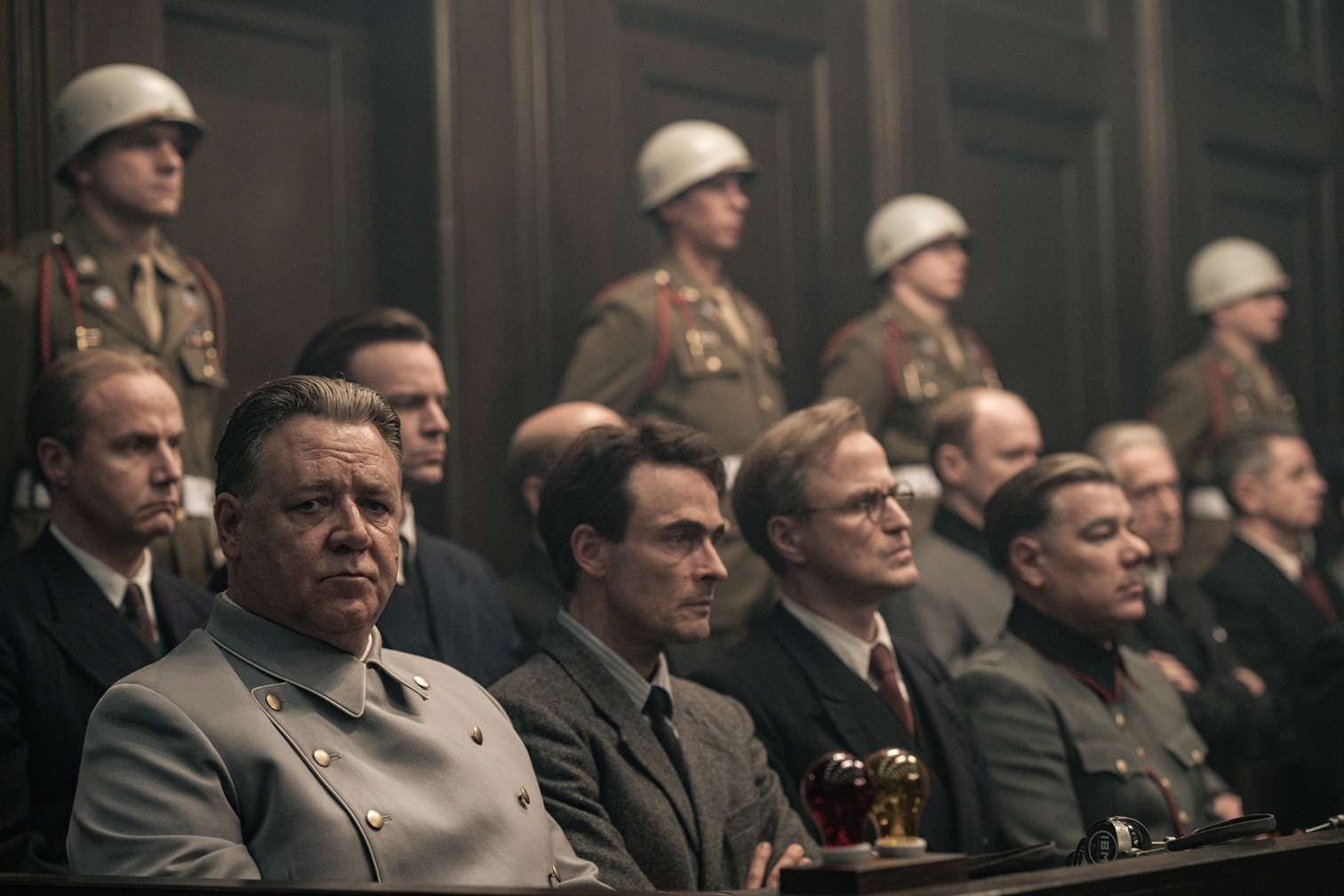
The latter part of Nuremberg transitions to more of the courtroom aspect itself, the application of the laws, the implications of what they’re doing, and evidence/testimony. Again, it’s well handled but feels largely at odds with the other parts of the movie in terms of pacing keeping the narrative on track. In fact, there comes a clear point in the film where it makes little sense for Kelley to still be involved in the day-to-day aspects of the trial. Yet…he still serves as the primary perspective point.
It just makes the whole thing feel disjointed. It’s clear the filmmakers want the Kelley/Göring angle to be the primary story focus, and those are some of it’s best parts. But it doesn’t want to miss out on the larger historical relevance of showing the trials themselves. As such, it feels like it jumps between personal, psychological drama and big-picture historical action and they just don’t mesh well together.
There isn’t enough screen time to accurately portray the immensity of the trials, or the difficult road to making them happen. Sure we see Shannon’s Jackson popping up in various spots to convince others to help, but there’s no real drama or character behind it. It’s simply showing what happens, oftentimes only implying they figured something out without going into detail.
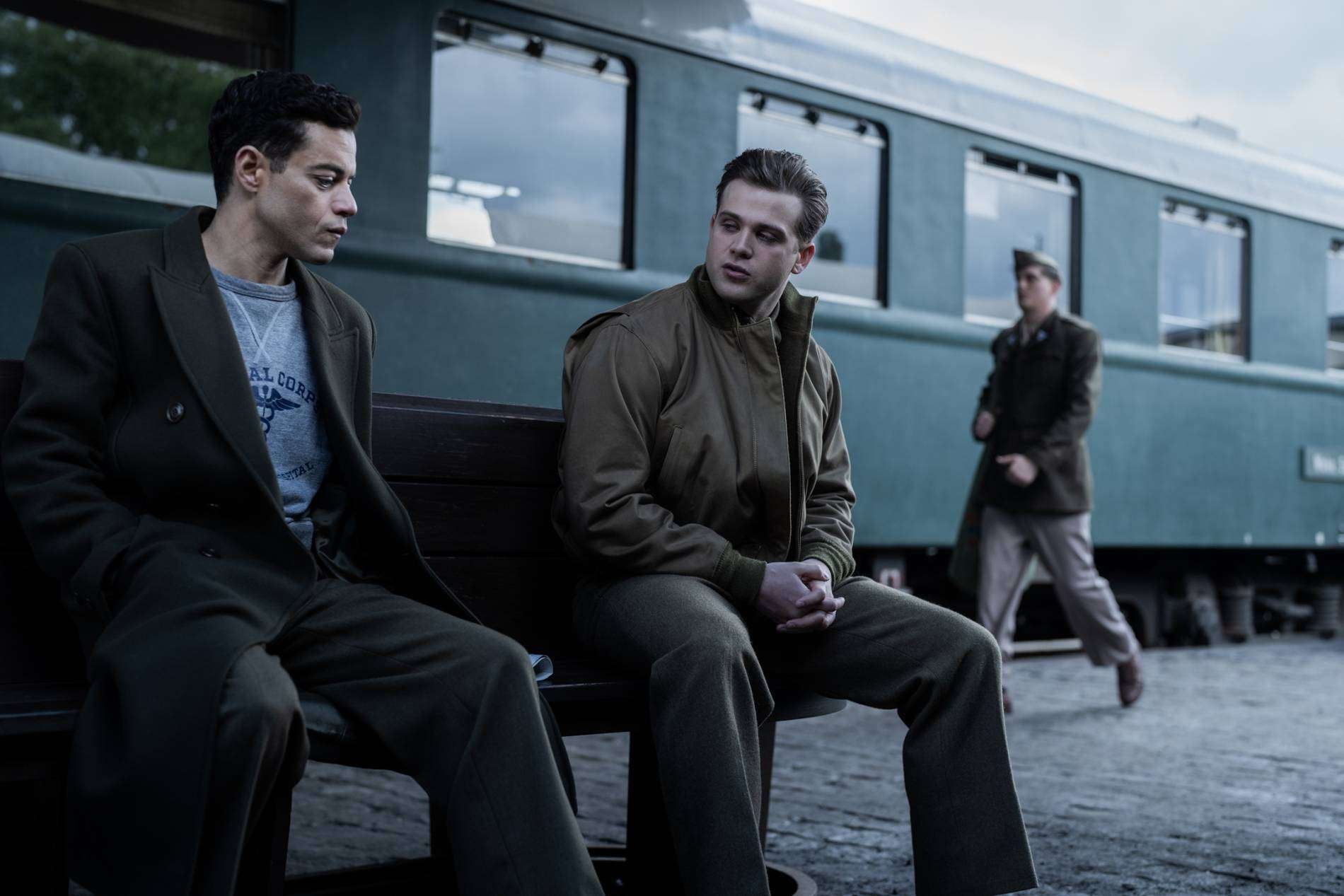
Worse, the film’s attempt at covering these aspects ends up shortchanging parts of Kelley/Göring’s story. Not to “spoil” anything—if that’s even possible—but ultimately Kelley comes to the realization about the nature of evil that shakes him to his core. An epiphany that makes it clear the evil perpetrated by the Nazis wasn’t some singular, anomalous event, but one that could happen anywhere.
It makes for a great overall point, and hammers home the distress Kelley faced throughout the rest of his career (before ending his own life) following the end of the trials. Unfortunately, this major aspect of his life is relegated to an epilogue type scene along with a bit of text before the credits roll. Because the film jumps around so much, it feels like we’re simply told about his eventual revelation, rather than seeing it play out. It’s almost as if the film finally figured out what it wanted to be—it’s thesis statement if you will—just in time for it to end.
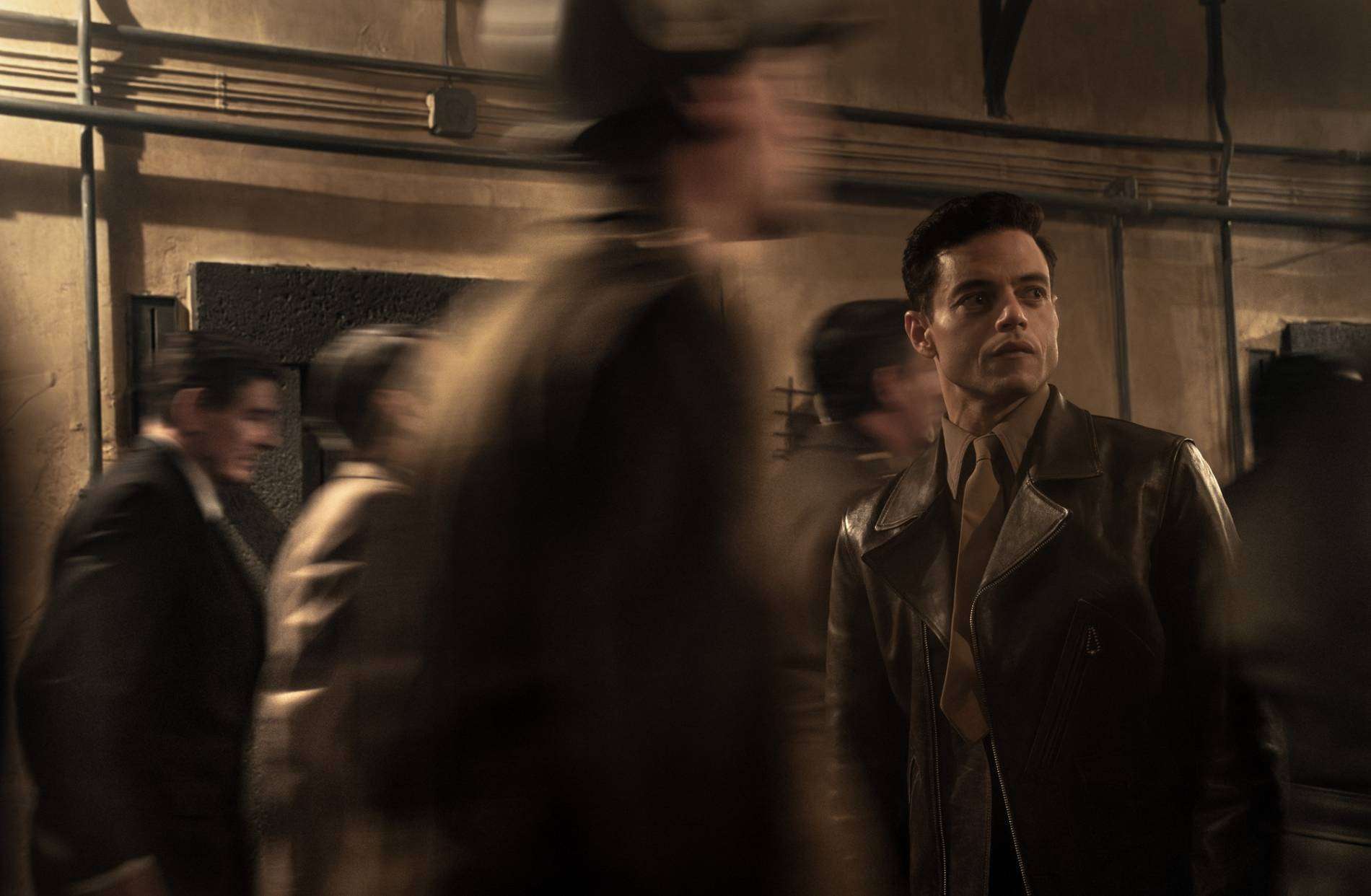
I’m sure we’ll see a few different reviewers mention this…but it feels like this should have been a mini-series instead. At worst it feels like it started life as a mini-series and forcefully trimmed down into a movie instead. Nuremberg wants to hit all these different, important, aspects of the Nuremberg trials, each with their own style of pacing and approach. Something that would definitely work in an episodic format. Cramming it all together in two and a half hours, however, makes for a disjointed film that switches up tone and pacing just when you think its settling into a groove.
The flashes of brilliance in the scene-to-scene moments reveal wealth of potential the overall film just can’t quite live up to. Which is a shame, considering so much of the themes and real-life history are particularly important right now. I think it’s worthwhile for the performances alone, but Nuremberg ultimately falls short of being the defining historical drama it clearly wants to be.